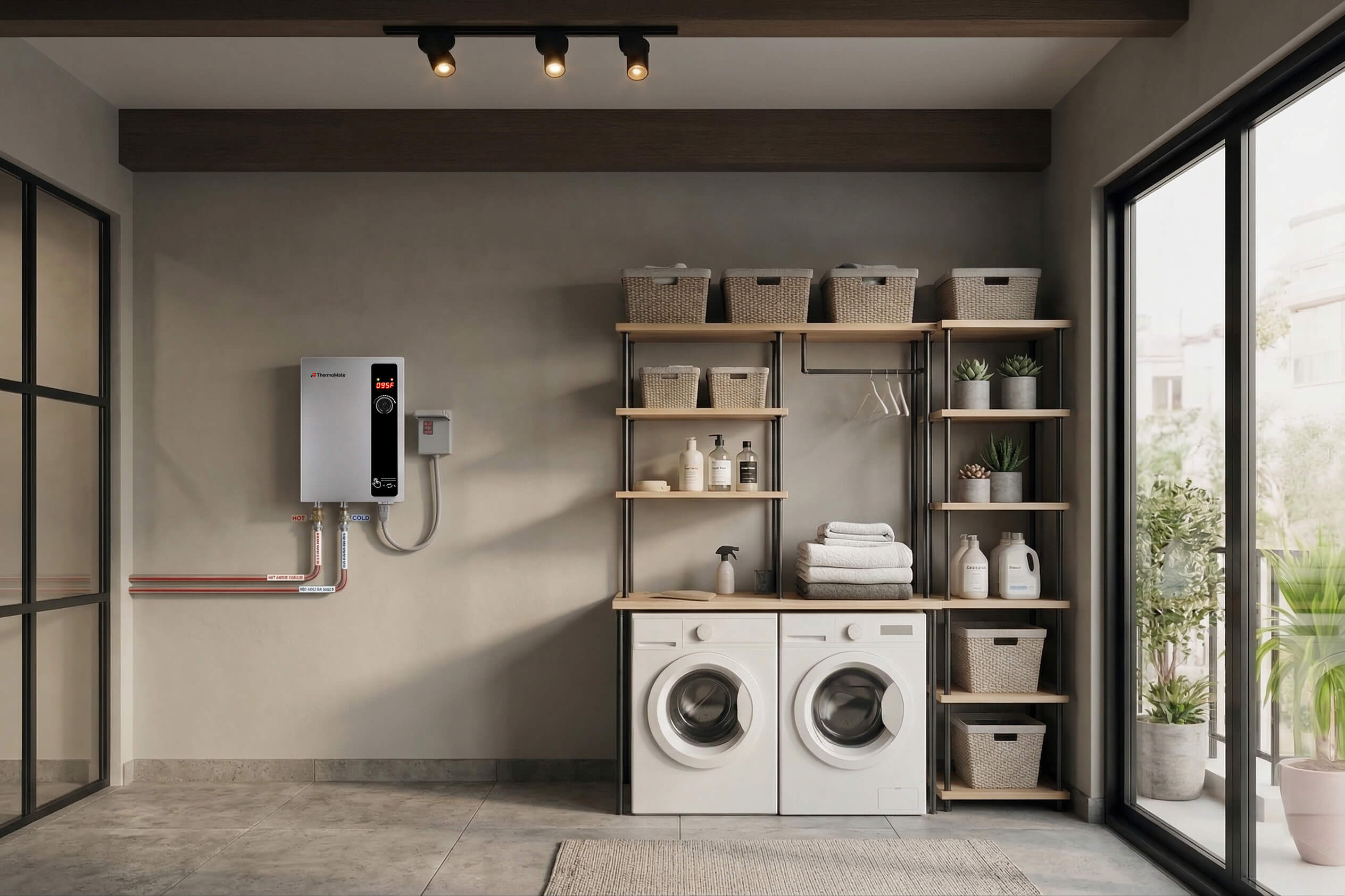
Eco-Friendly Living Starts at Home: Switch to a Tankless Water Heater
As homeowners become more aware of their environmental impact, many are looking for simple yet effective ways to live more sustainably. While solar panels and electric vehicles often receive the spotlight, one overlooked upgrade can make a meaningful difference in both water conservation and energy efficiency: switching to a tankless water heater.
Unlike traditional storage tank systems, tankless water heaters deliver hot water on demand, reducing energy consumption and minimizing water waste. In this guide, we’ll explore how making the switch can support eco-friendly living while improving comfort and efficiency in your home.
Why Eco-Friendly Living Matters at Home
Residential energy and water use contribute significantly to environmental impact. According to environmental studies, a large portion of household energy consumption goes toward heating water for daily activities such as showering, washing dishes, and doing laundry.
Small changes in how we heat and use water can lead to meaningful benefits:
- Reduced energy consumption
- Lower greenhouse gas emissions
- Less water waste
- Lower utility bills
Upgrading to a modern hot water system is one of the easiest ways to improve your home's sustainability without changing your daily routine.
How Traditional Water Heaters Waste Energy and Water
Conventional tank water heaters store and continuously heat a large volume of water, typically between 30 and 80 gallons. While convenient, this design has several inefficiencies.
1. Standby Heat Loss
Traditional water heaters keep water hot 24 hours a day, even when it’s not being used. This constant reheating leads to unnecessary energy consumption.
2. Limited Hot Water Supply
Once the tank runs out of hot water, homeowners must wait for the tank to refill and reheat, which can waste both time and water.
3. Excess Water Waste
Many households run the tap while waiting for hot water to arrive, unintentionally wasting gallons of water every day.
These issues make conventional water heaters less efficient and less environmentally friendly.
How Tankless Water Heaters Support Eco-Friendly Living
Tankless water heaters, also known as on-demand water heaters, heat water only when it is needed. This simple but powerful design offers several environmental advantages.
1. Energy Efficiency
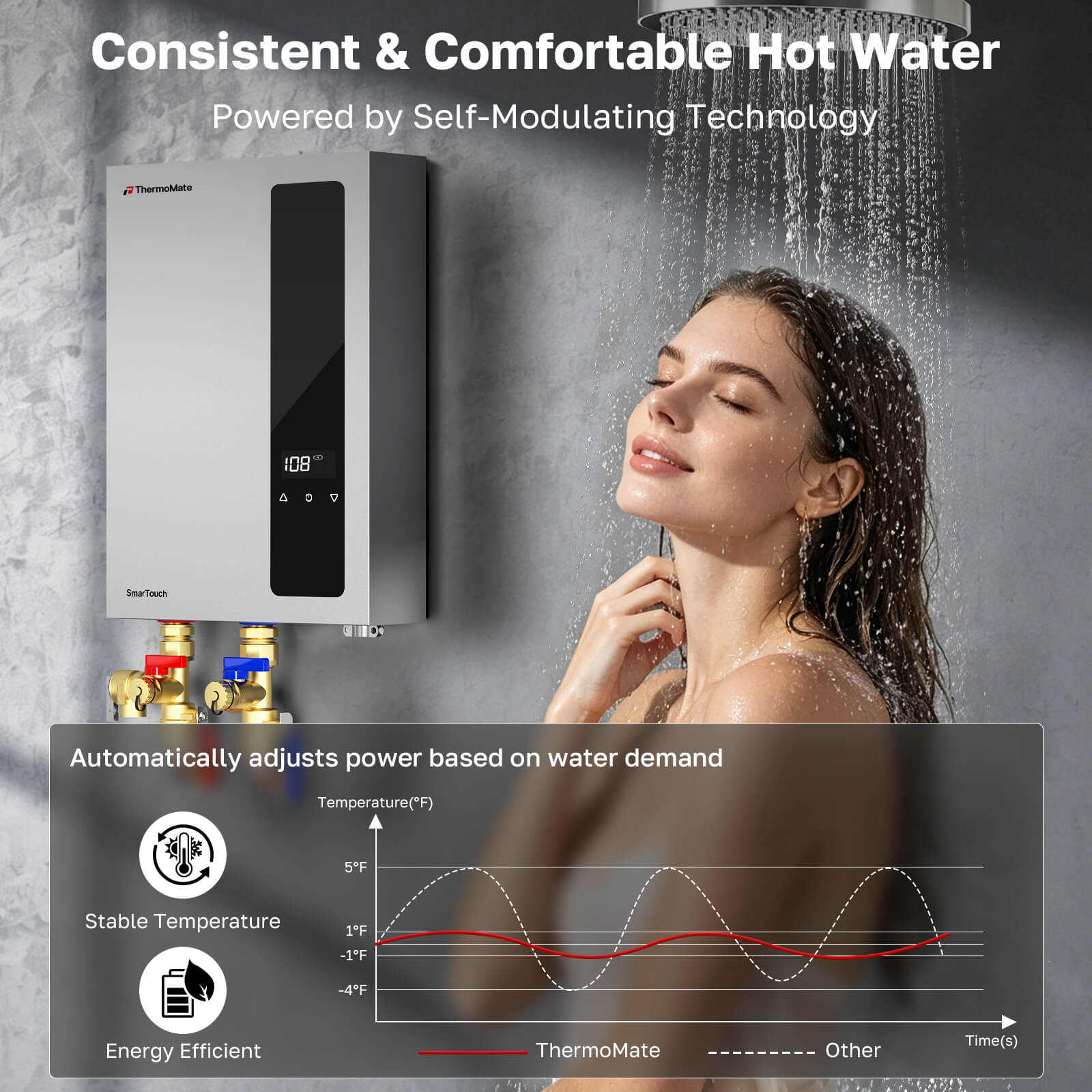
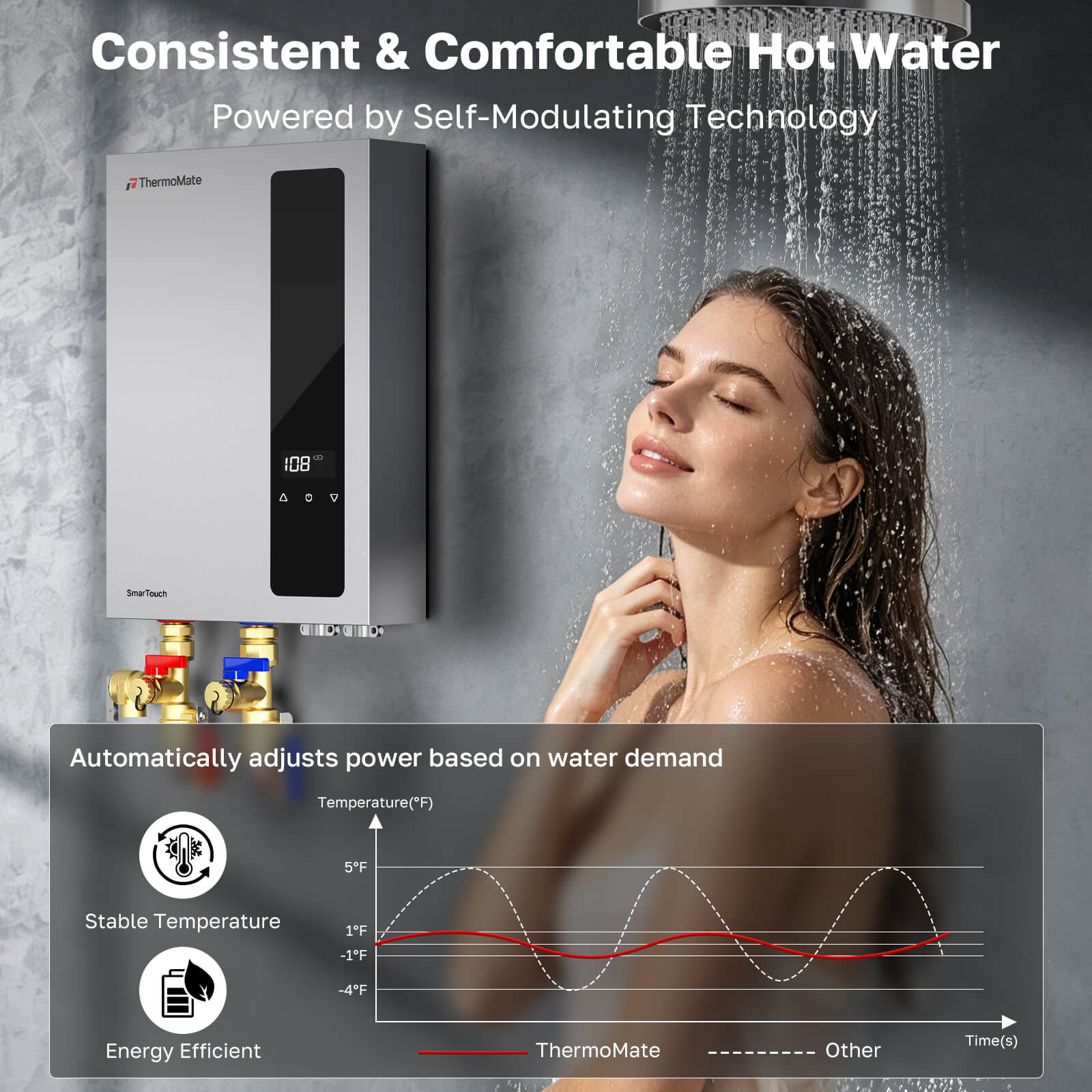
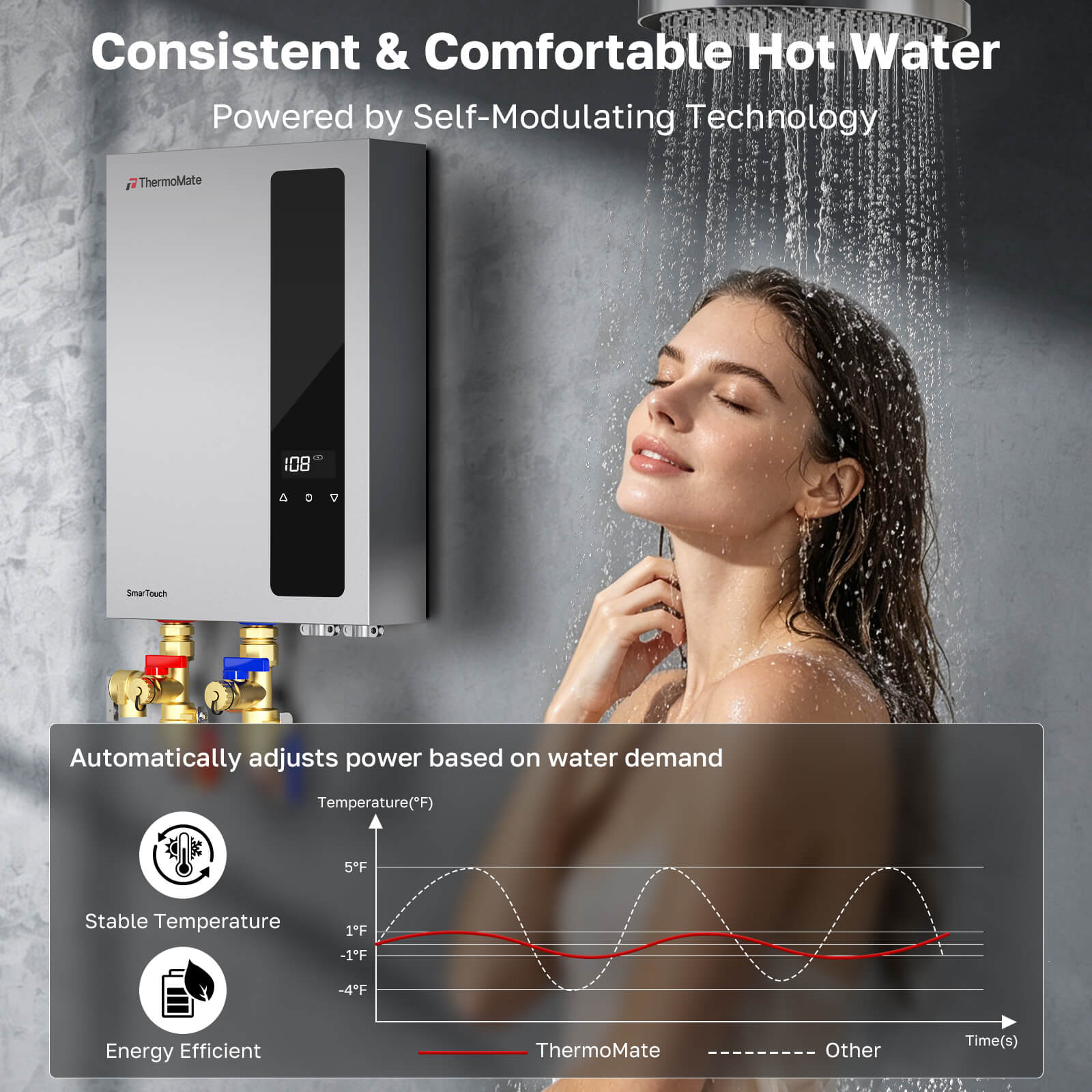
Tankless systems eliminate standby heat loss by heating water only when a hot water tap is turned on. This can significantly reduce energy consumption compared to traditional storage tanks.
2. Reduced Water Waste
Because tankless heaters produce hot water instantly, homeowners spend less time running the faucet while waiting for water to warm up.
Over time, this can save thousands of gallons of water annually in an average household.
3. Longer Product Lifespan
Tankless water heaters typically last twice as long as traditional tank systems, meaning fewer replacements and less material waste over time.
4. Compact and Space-Saving
Tankless units are compact and wall-mounted, reducing the materials required for manufacturing and freeing up space in your home.
Endless Hot Water with Less Environmental Impact
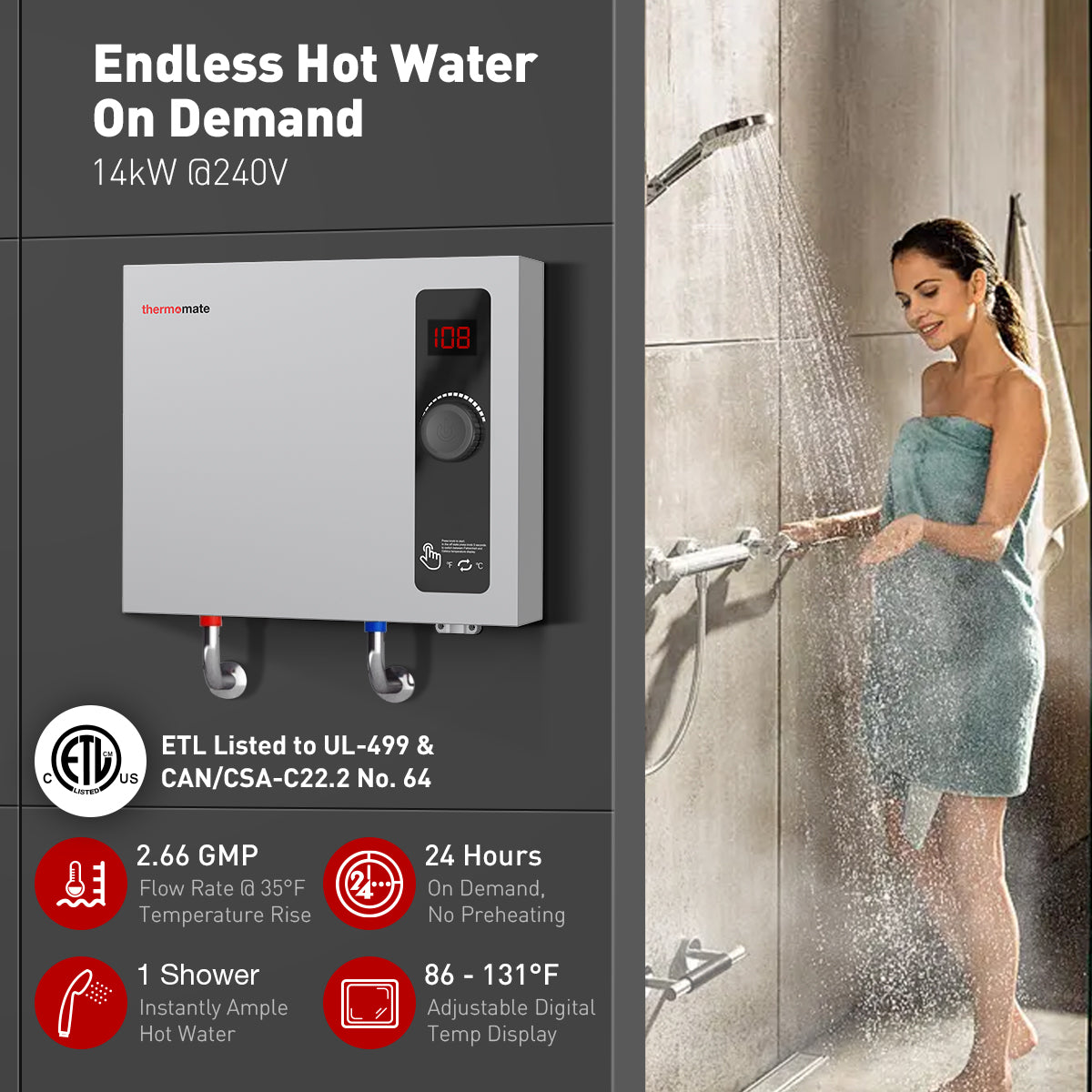
One of the most appealing benefits of tankless systems is the ability to enjoy continuous hot water without worrying about running out.
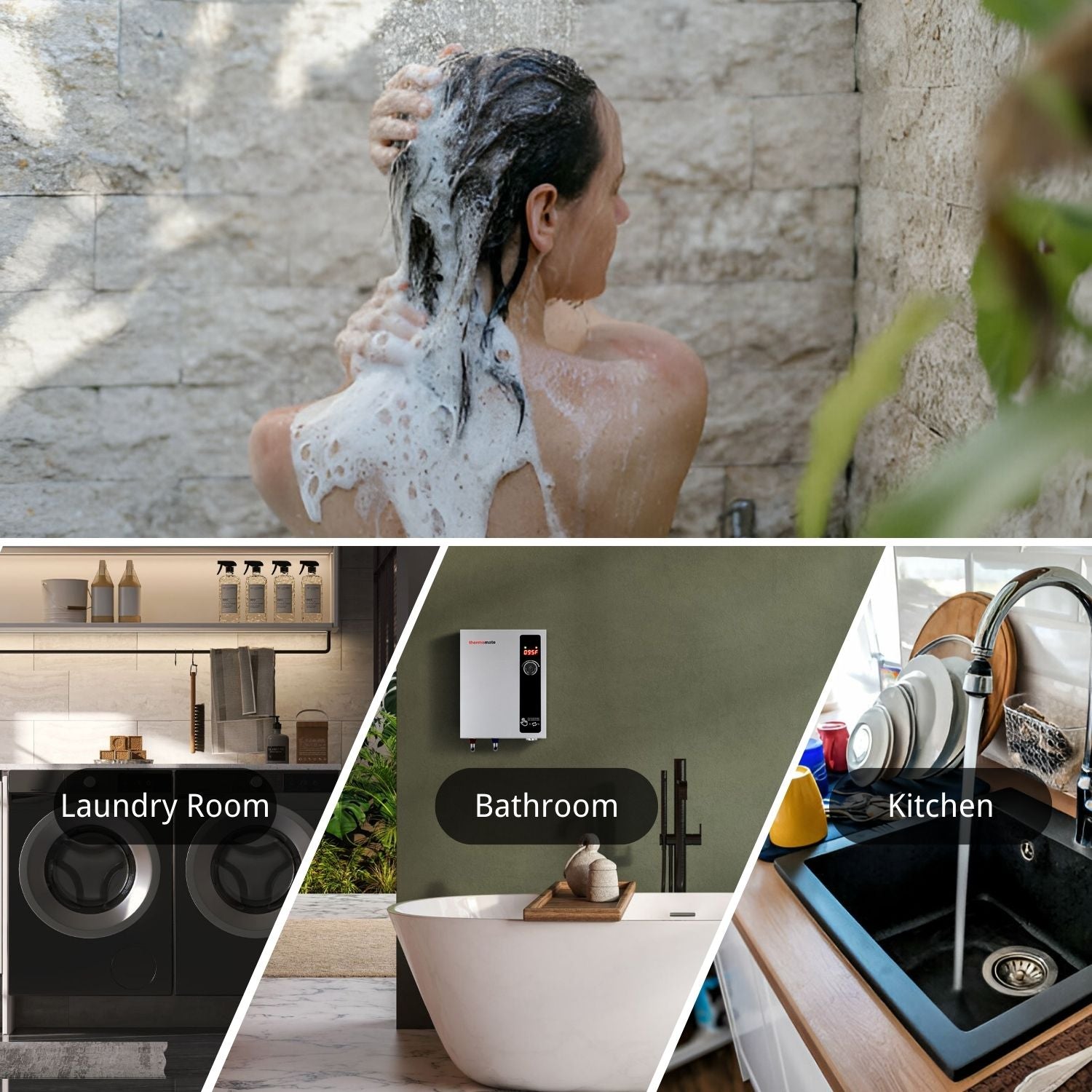
This is particularly useful for households where multiple appliances may be used at the same time, such as:
- Showers
- Dishwashers
- Washing machines
- Kitchen sinks
Modern tankless water heaters are designed to provide sufficient flow rates to meet everyday household needs while still maintaining energy efficiency.
Choosing the Right Tankless Water Heater
Selecting the right system depends on your home’s hot water demand and electrical capacity.
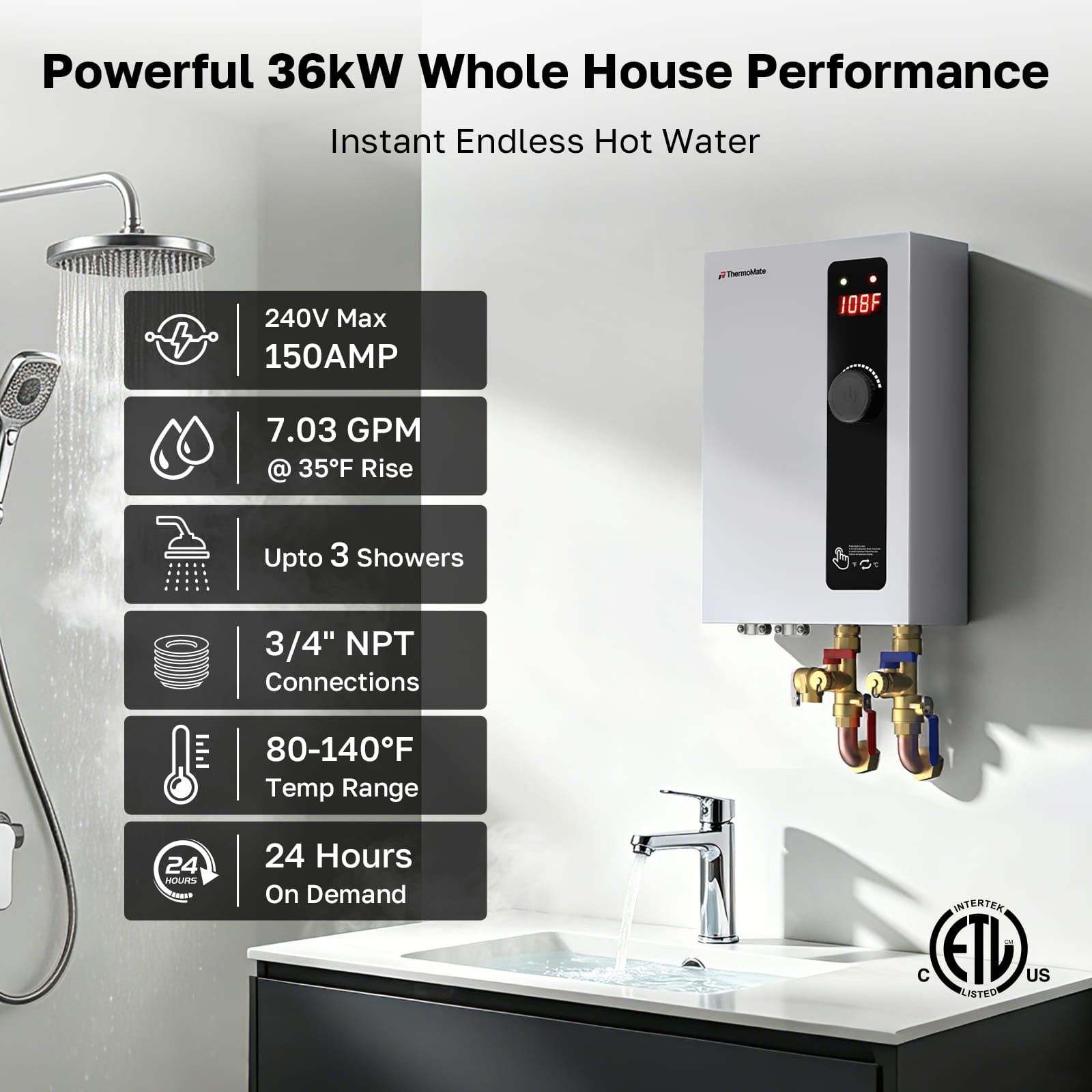
For example, larger homes or households with multiple bathrooms may require higher-capacity units to support simultaneous water usage.
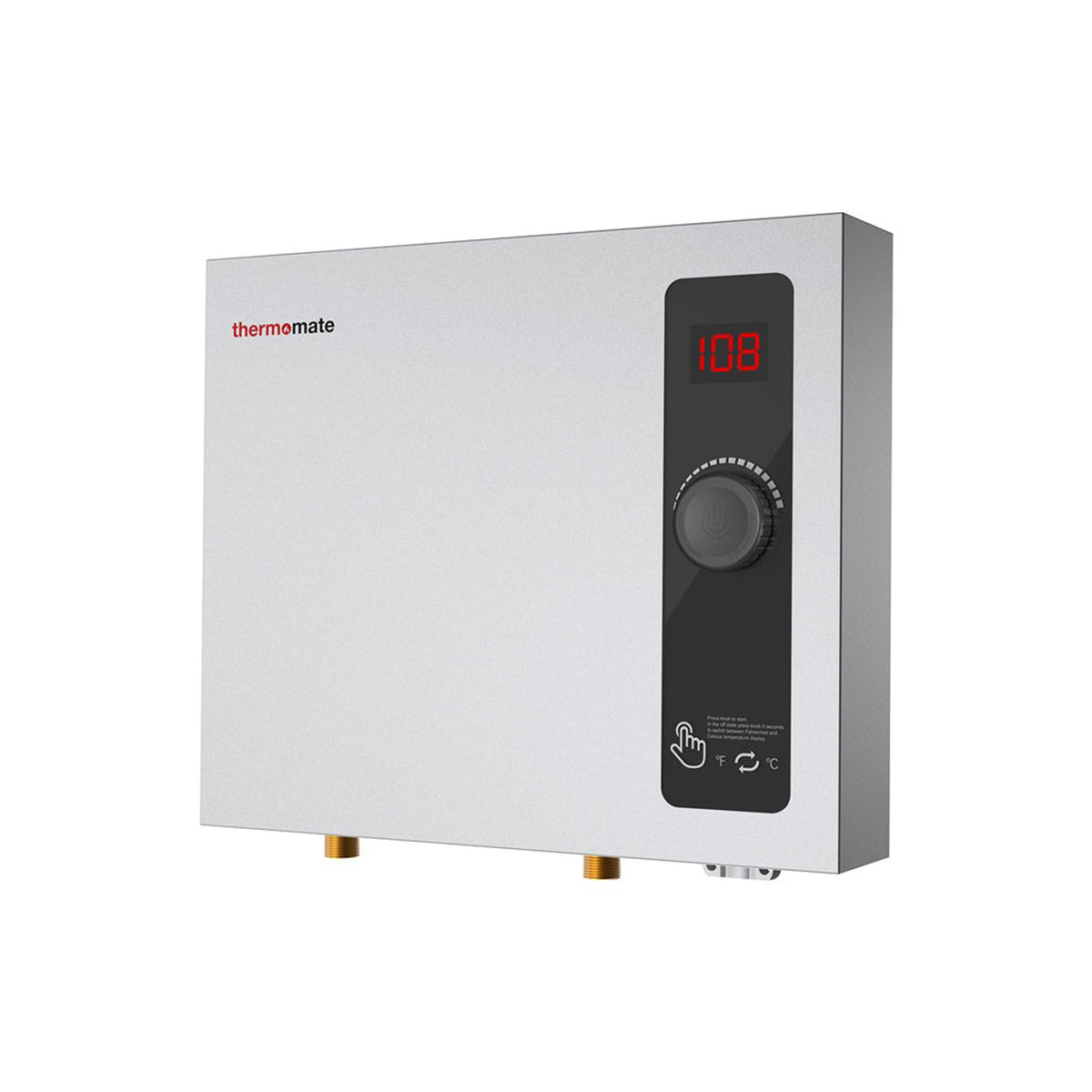
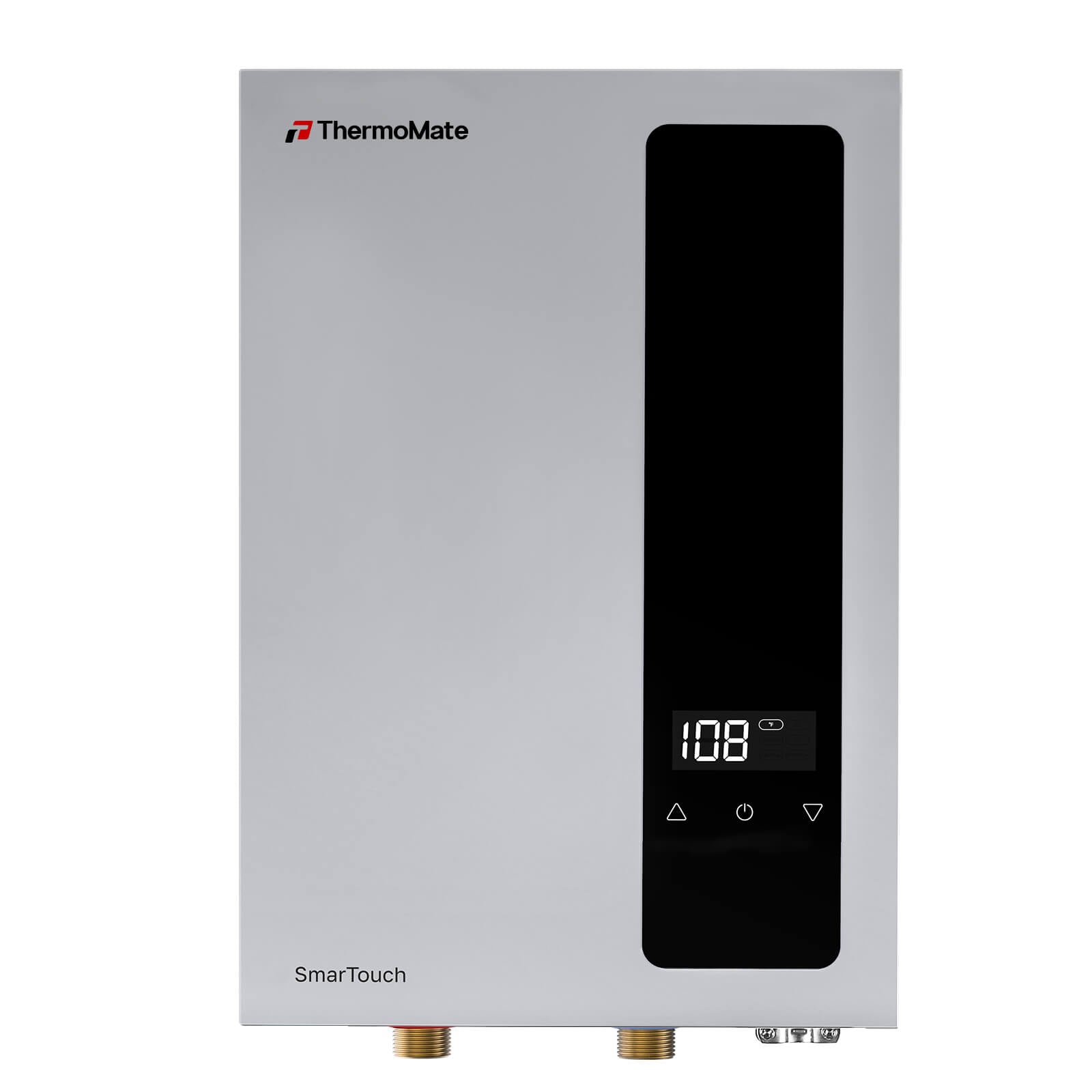
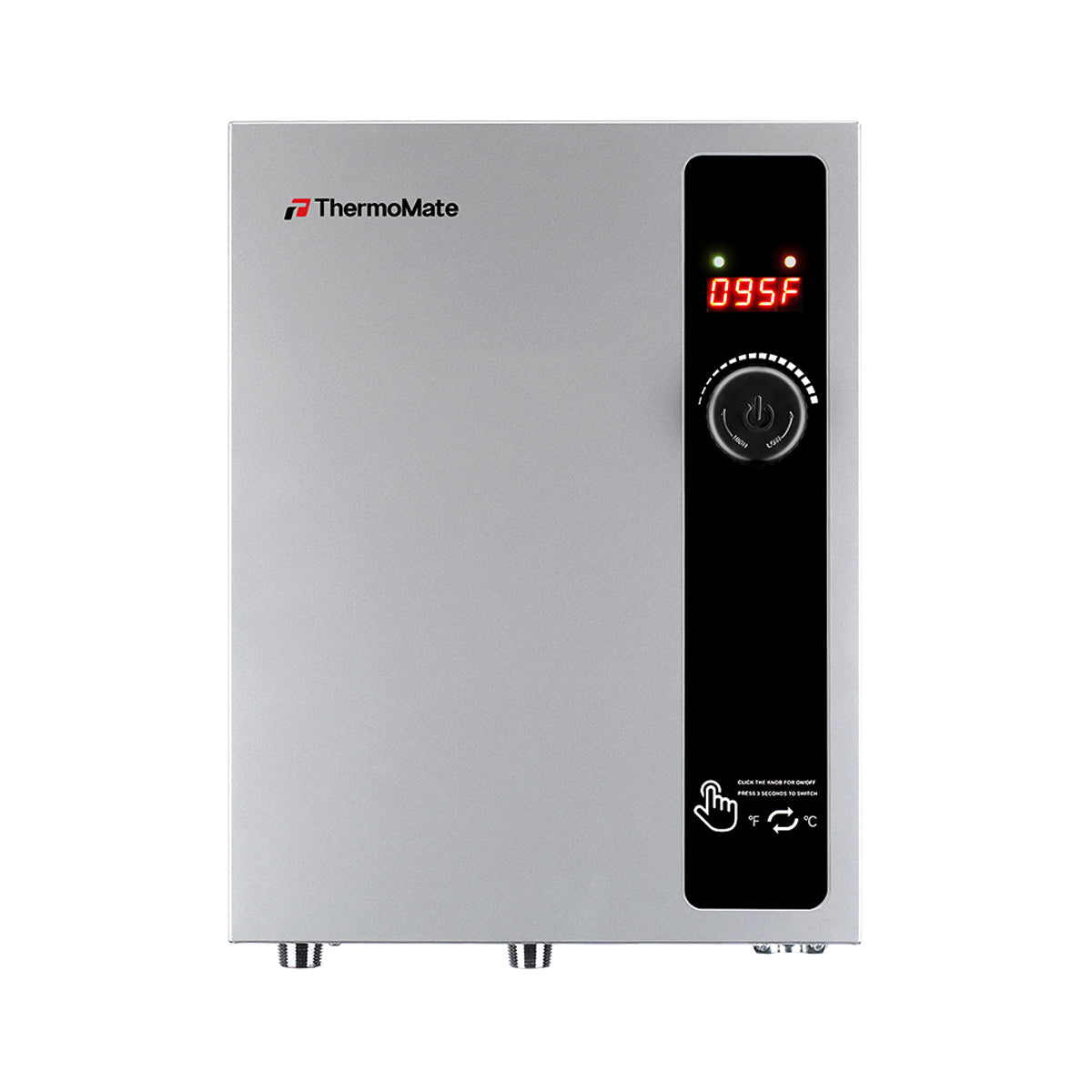
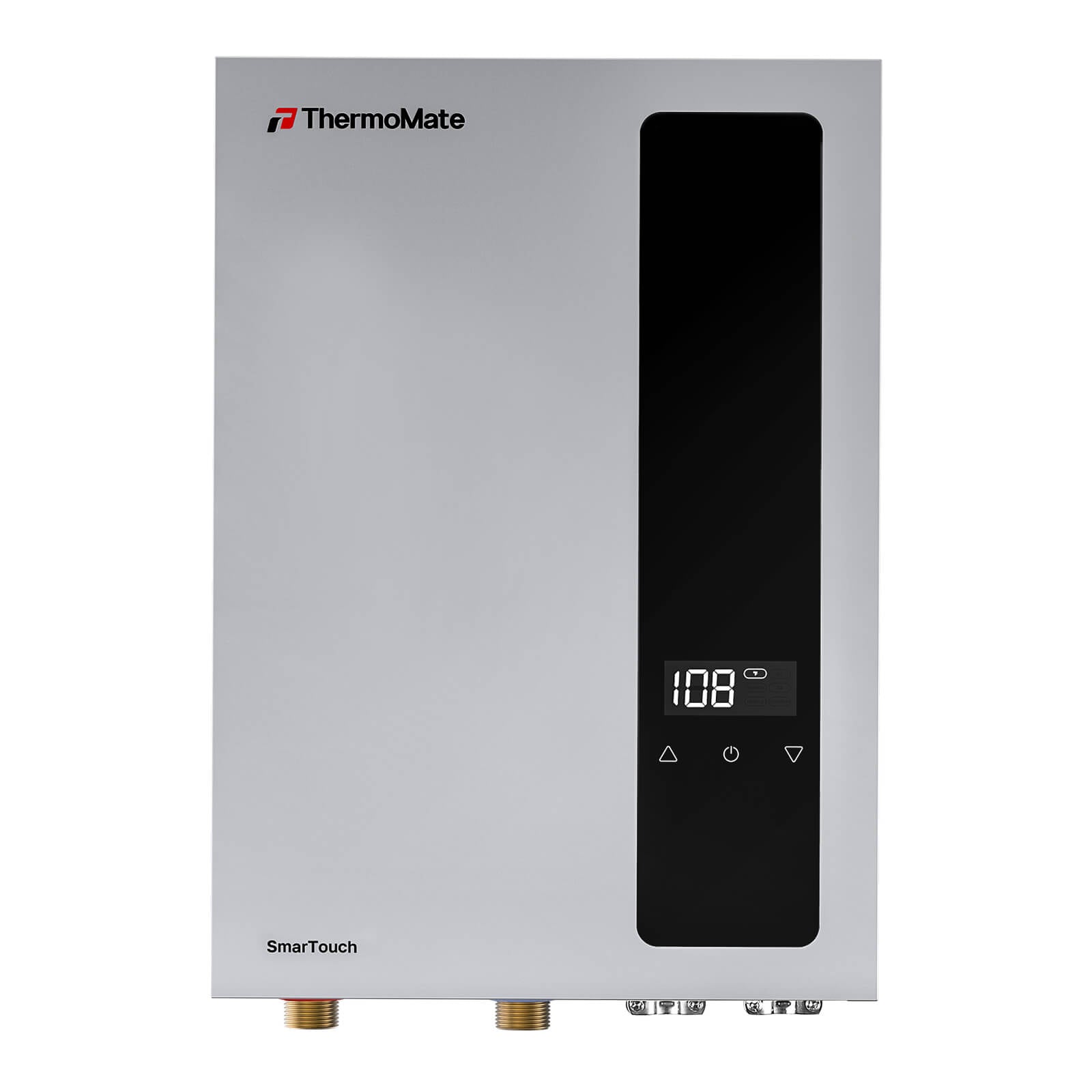
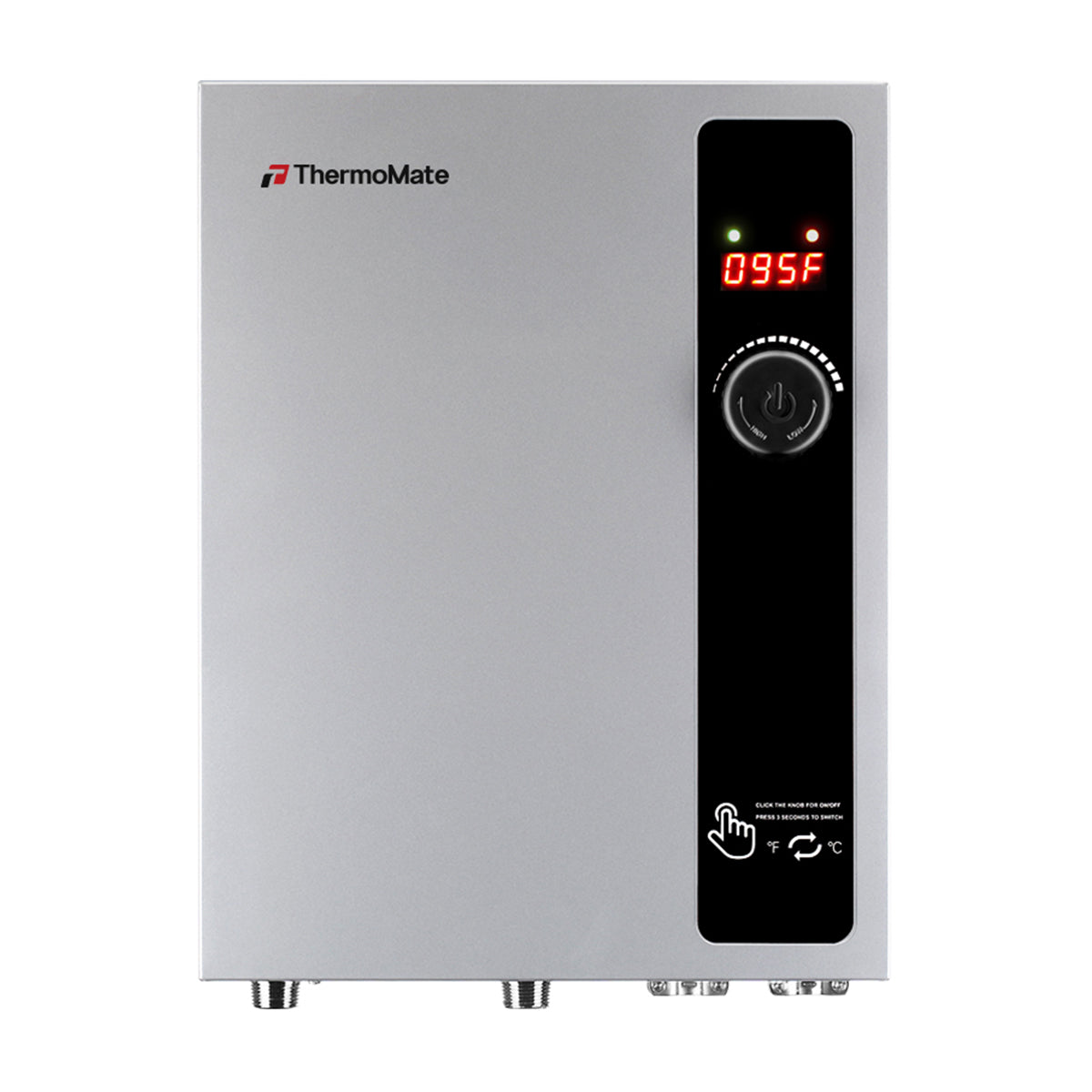
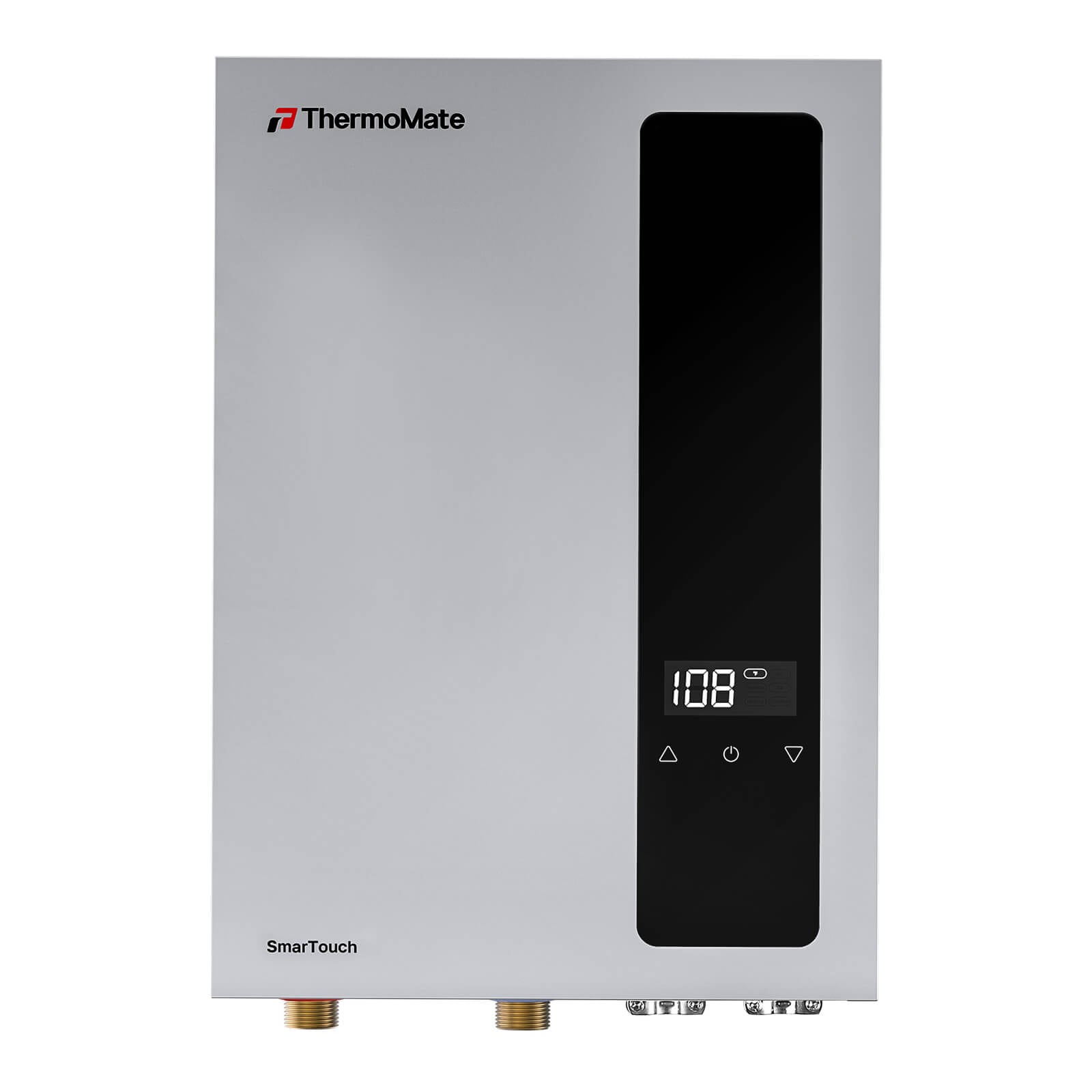
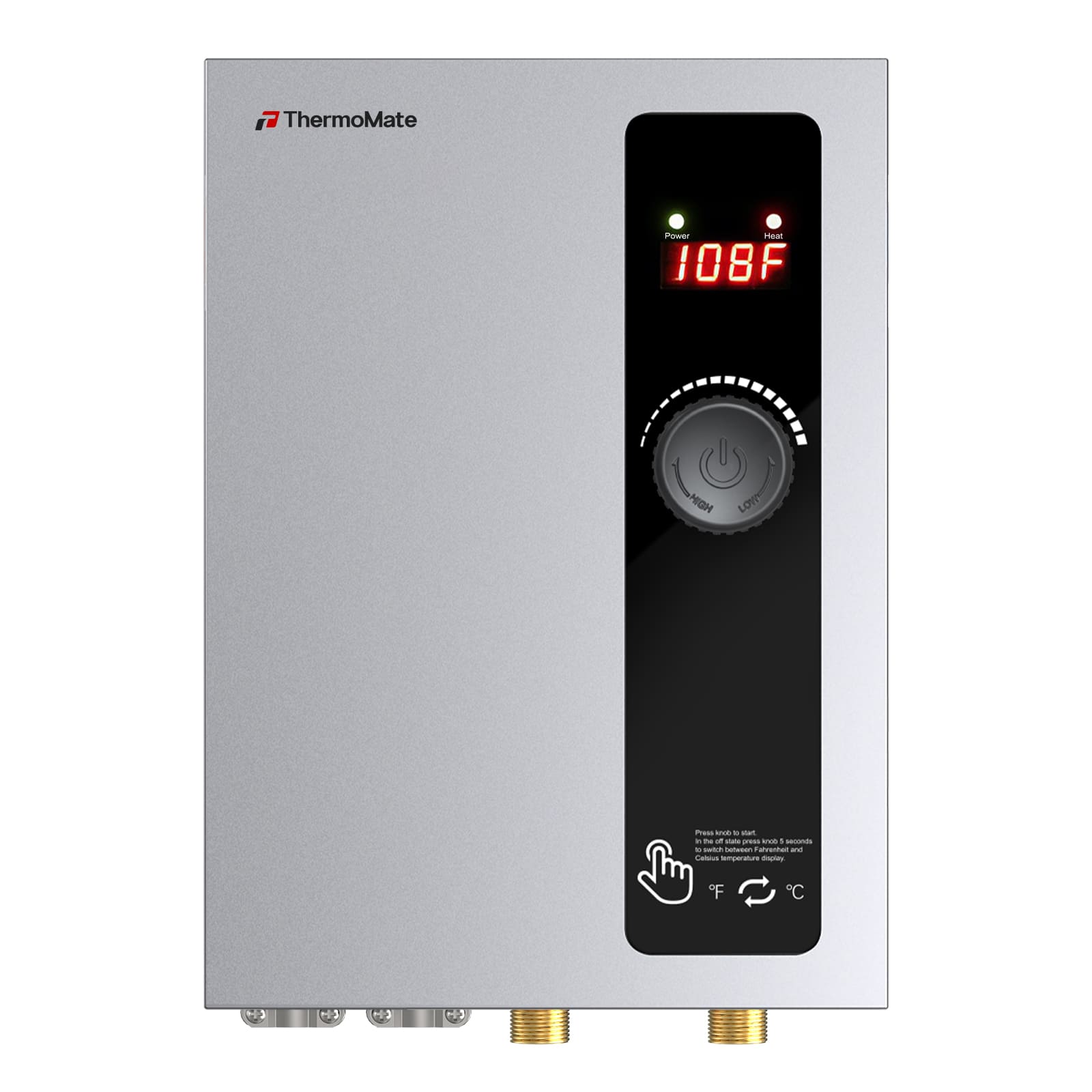
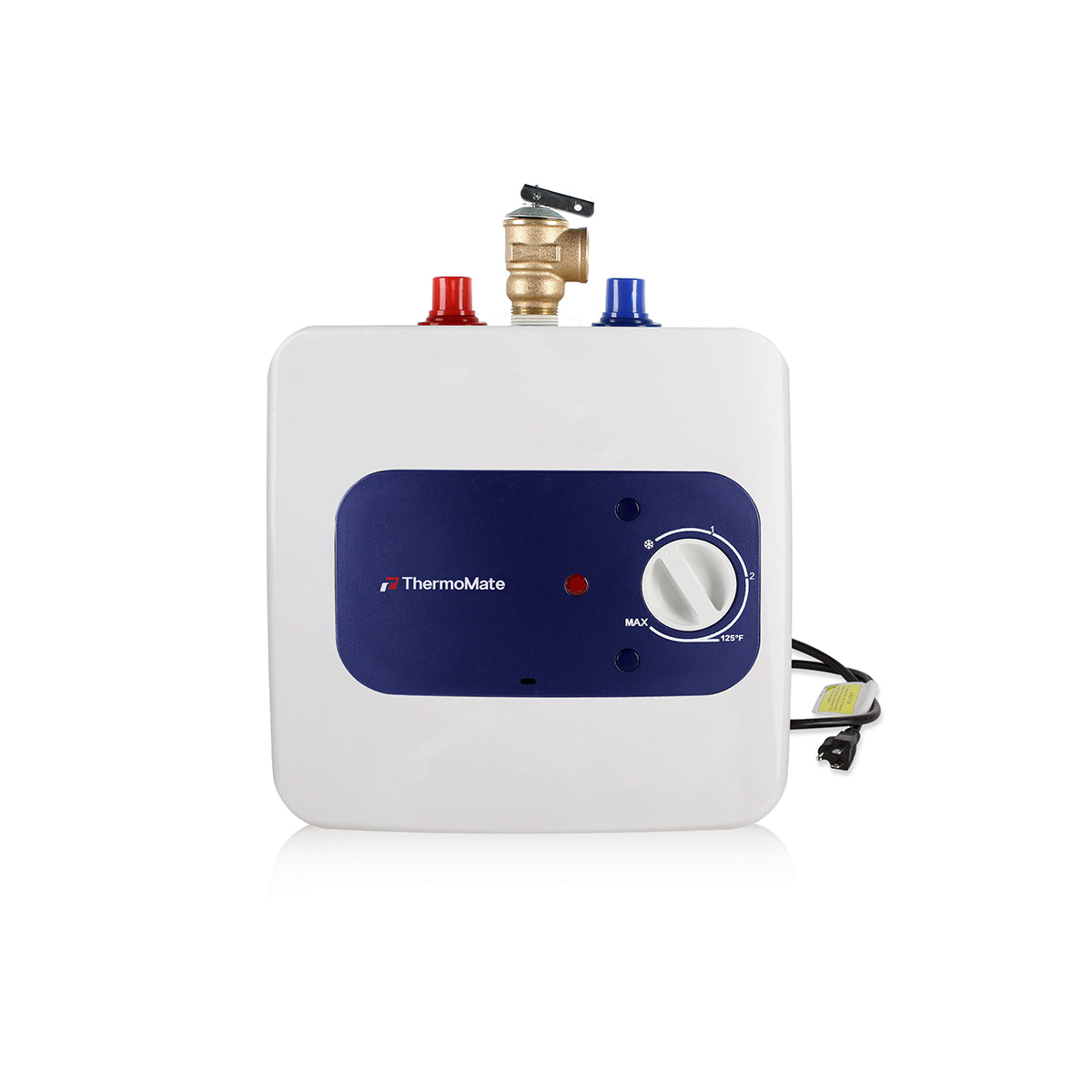
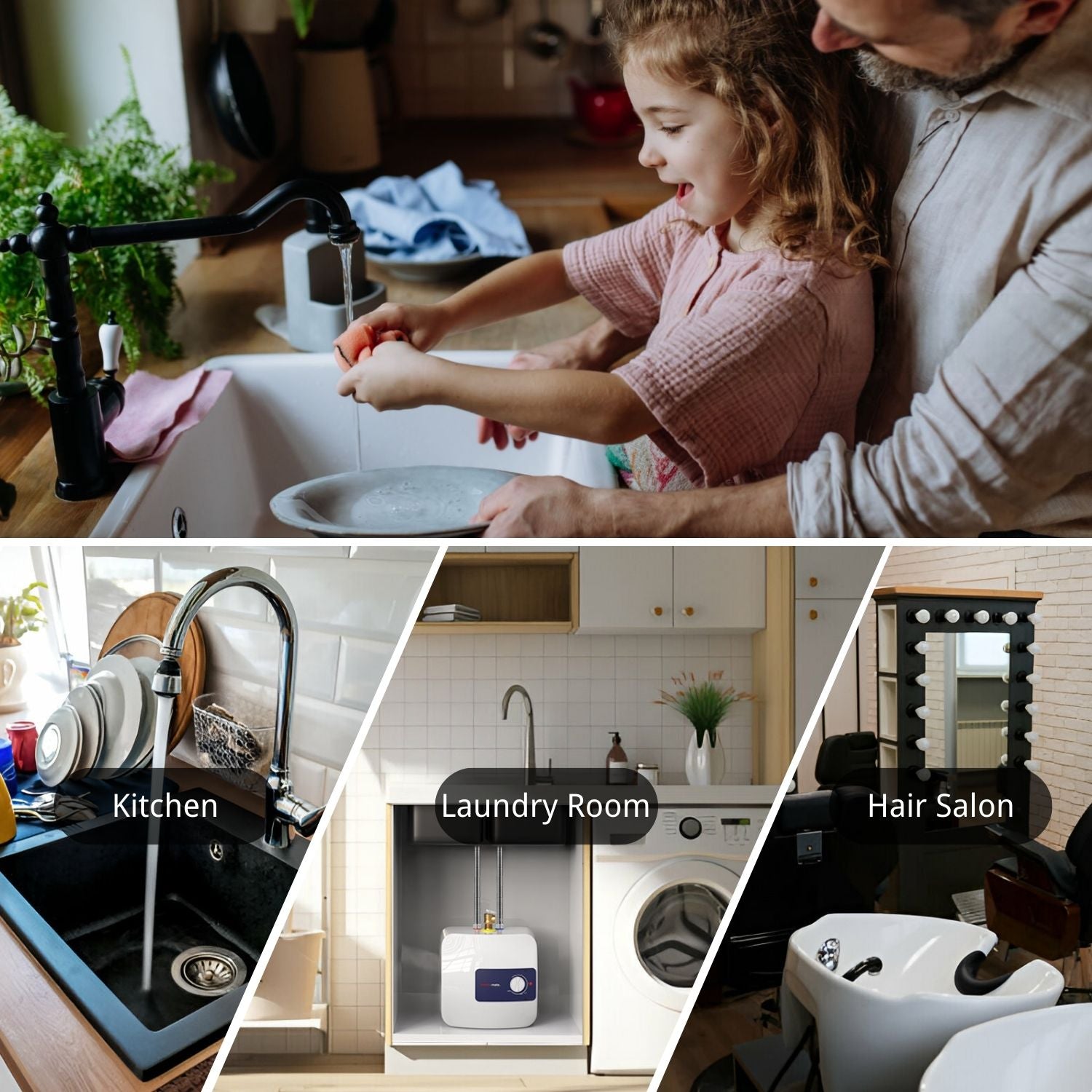
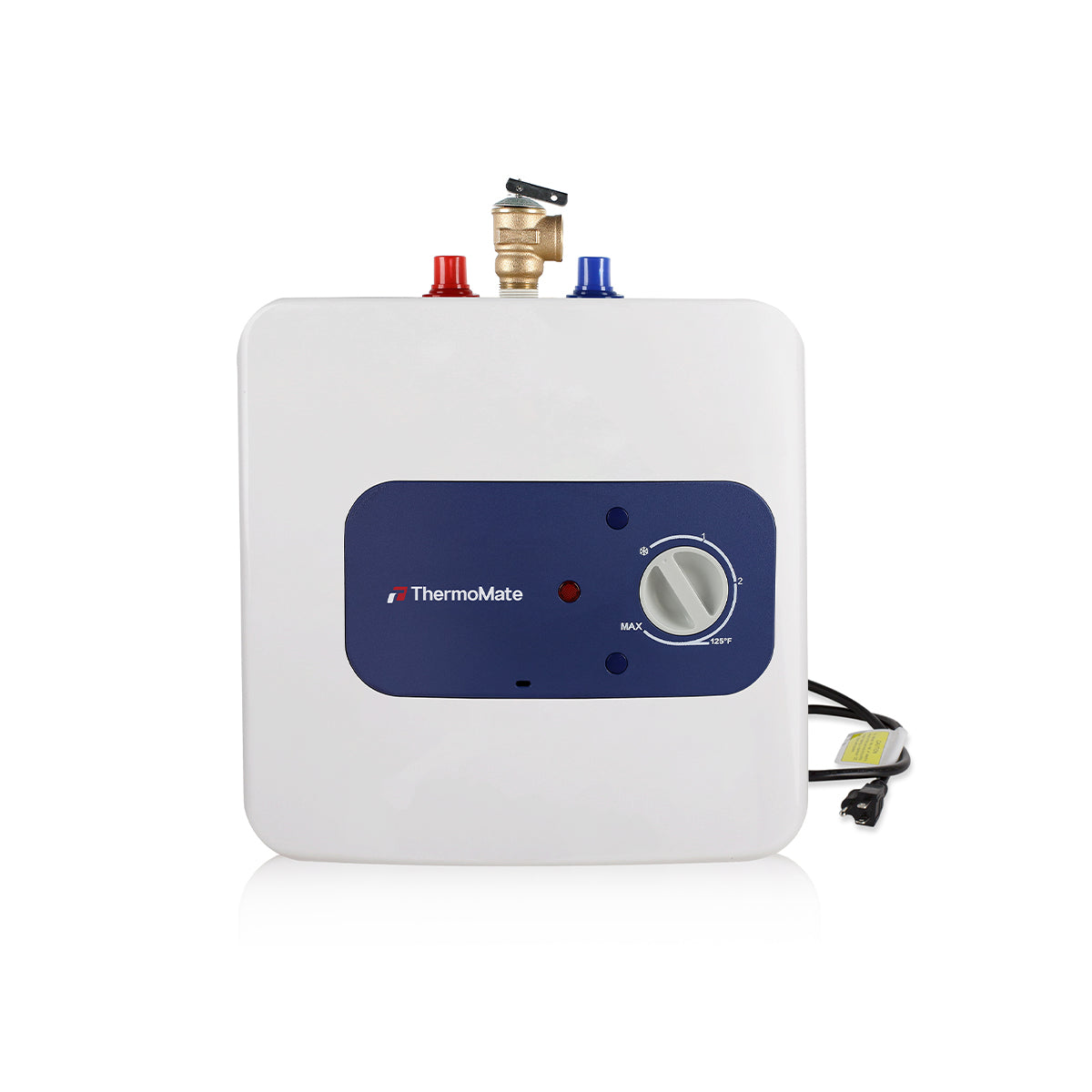
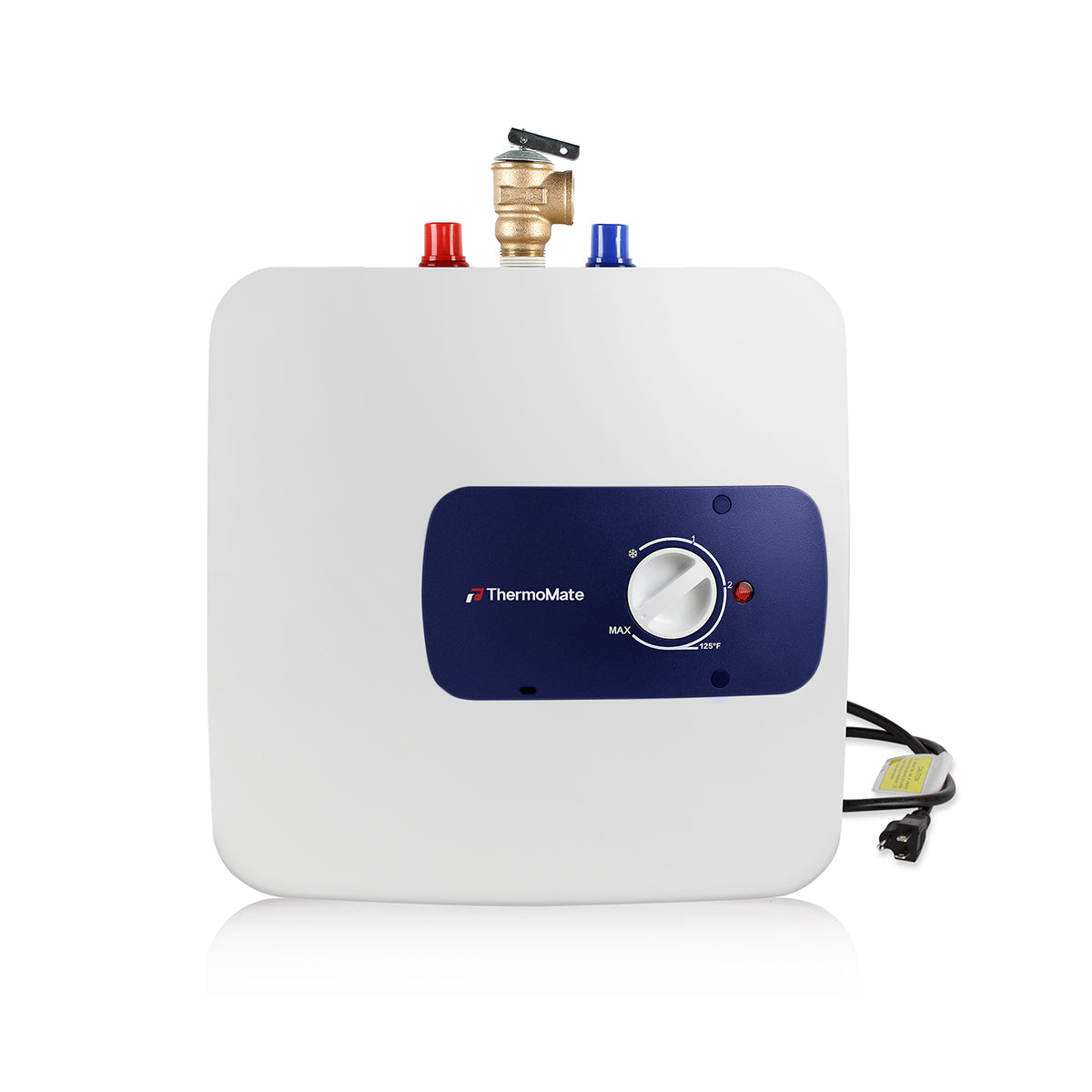
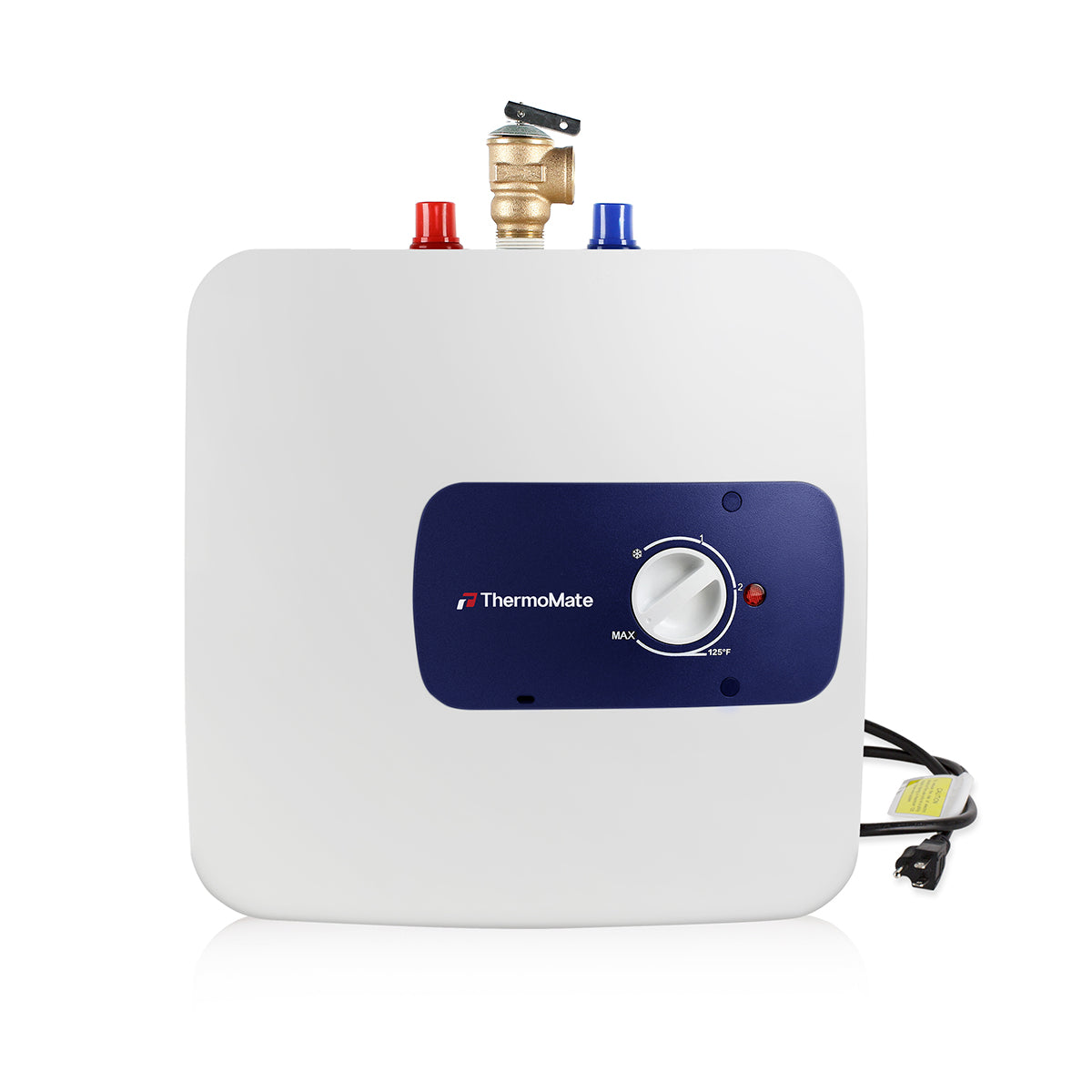
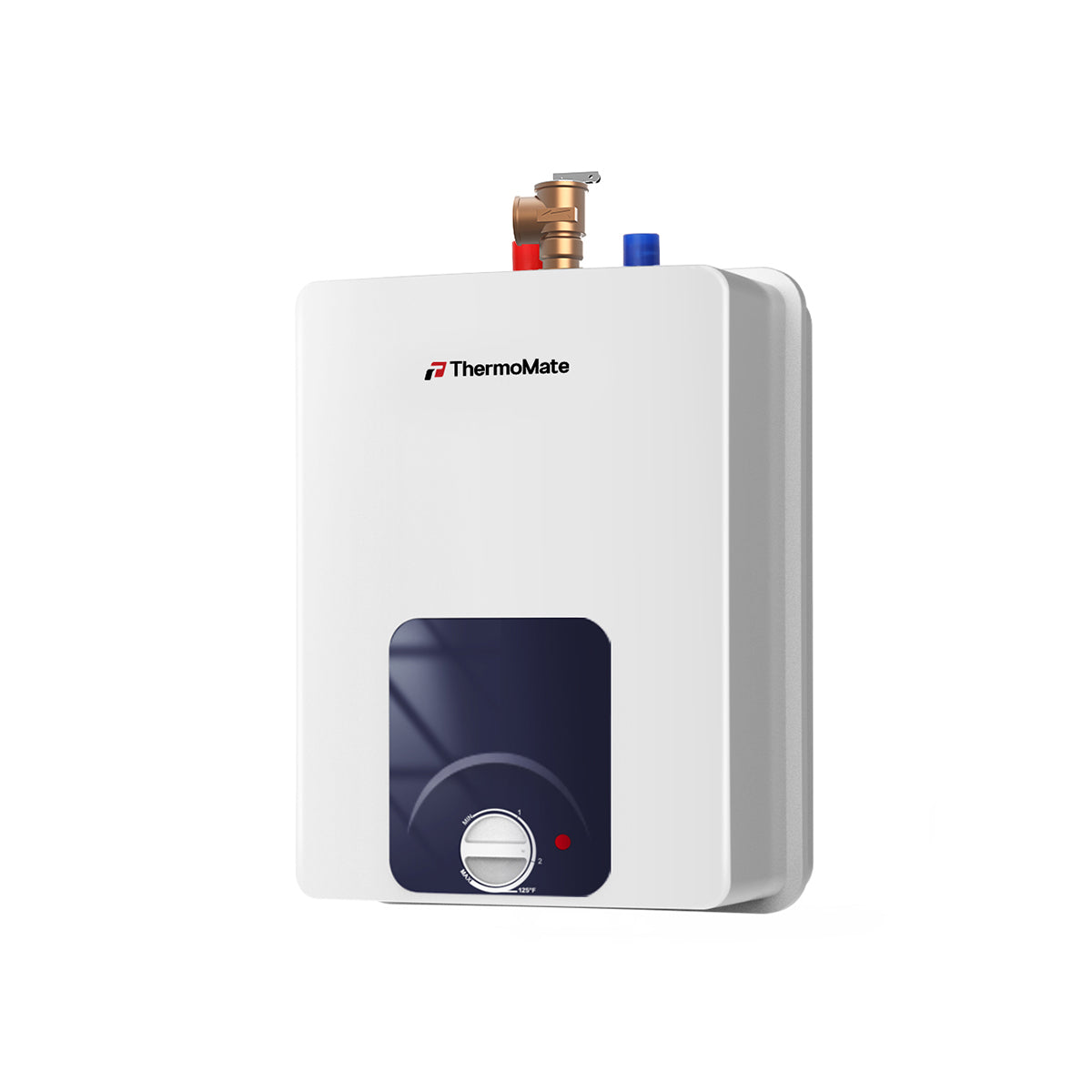
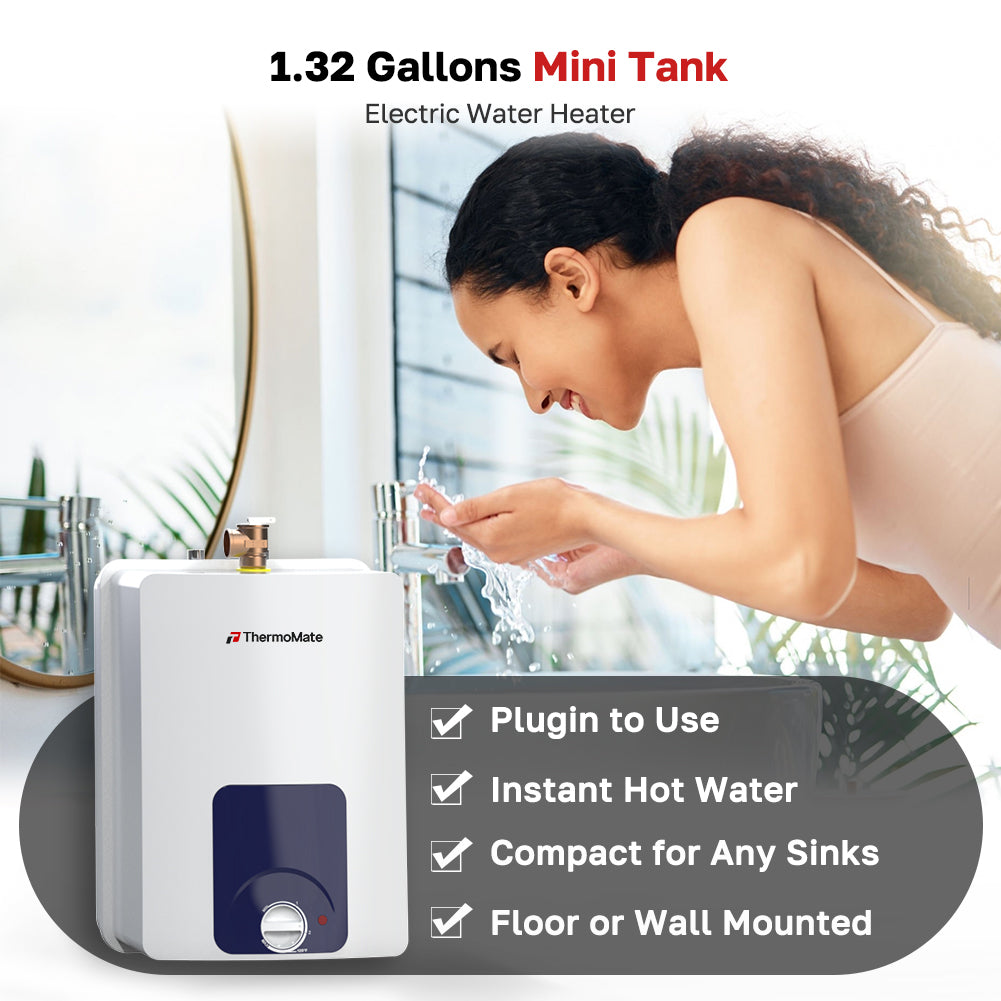
Brands like ThermoMate offer a range of electric tankless water heaters designed for different applications, from compact units for point-of-use installations to powerful whole-house systems.
When choosing a unit, consider:
- Household hot water demand
- Flow rate requirements (GPM)
- Temperature rise in your region
- Electrical capacity of your home
Consulting with a licensed electrician or installer can help ensure you select the most efficient model for your needs.
Additional Ways to Reduce Water Waste at Home
While switching to a tankless water heater is a major step toward eco-friendly living, combining it with other small changes can further reduce your environmental footprint.
Consider these water-saving practices:
- Install low-flow showerheads
- Fix leaking faucets promptly
- Use energy-efficient dishwashers and washing machines
- Take shorter showers
- Run appliances only with full loads
These simple habits can dramatically reduce both water and energy consumption.
A Smart Investment for Sustainable Homes
Eco-friendly living doesn’t always require major lifestyle changes. Sometimes, it simply means upgrading to smarter technology that works more efficiently behind the scenes.
Tankless water heaters provide:
- Lower energy consumption
- Reduced water waste
- Longer system lifespan
- Endless hot water comfort
By choosing an efficient system, homeowners can enjoy modern convenience while also contributing to a more sustainable future.
Final Thoughts
Creating a greener home starts with thoughtful choices about how we use energy and water. Upgrading to a tankless water heater is a practical and effective step toward reducing environmental impact while improving everyday comfort.
With advanced technology, compact design, and high efficiency, tankless systems offer a sustainable solution for modern households.
If you're considering upgrading your hot water system, explore the range of efficient solutions available from ThermoMate, designed to deliver reliable performance while supporting eco-friendly living.