Tankless vs Traditional Water Heater: Which Is Better in 2026?
Choosing the right water heater is an important decision for any homeowner. Hot water is essential for daily activities such as showering, washing dishes, and doing laundry. When it comes to water heating systems, most homes use either a traditional tank water heater or a tankless water heater.
In recent years, electric tankless water heaters have become increasingly popular due to their energy efficiency, compact design, and ability to provide hot water on demand. But how do they compare to traditional tank water heaters?
In this guide, we’ll explore the key differences between tankless and traditional water heaters, including how they work, their advantages and disadvantages, and which option may be best for your home in 2026.
How Traditional Tank Water Heaters Work
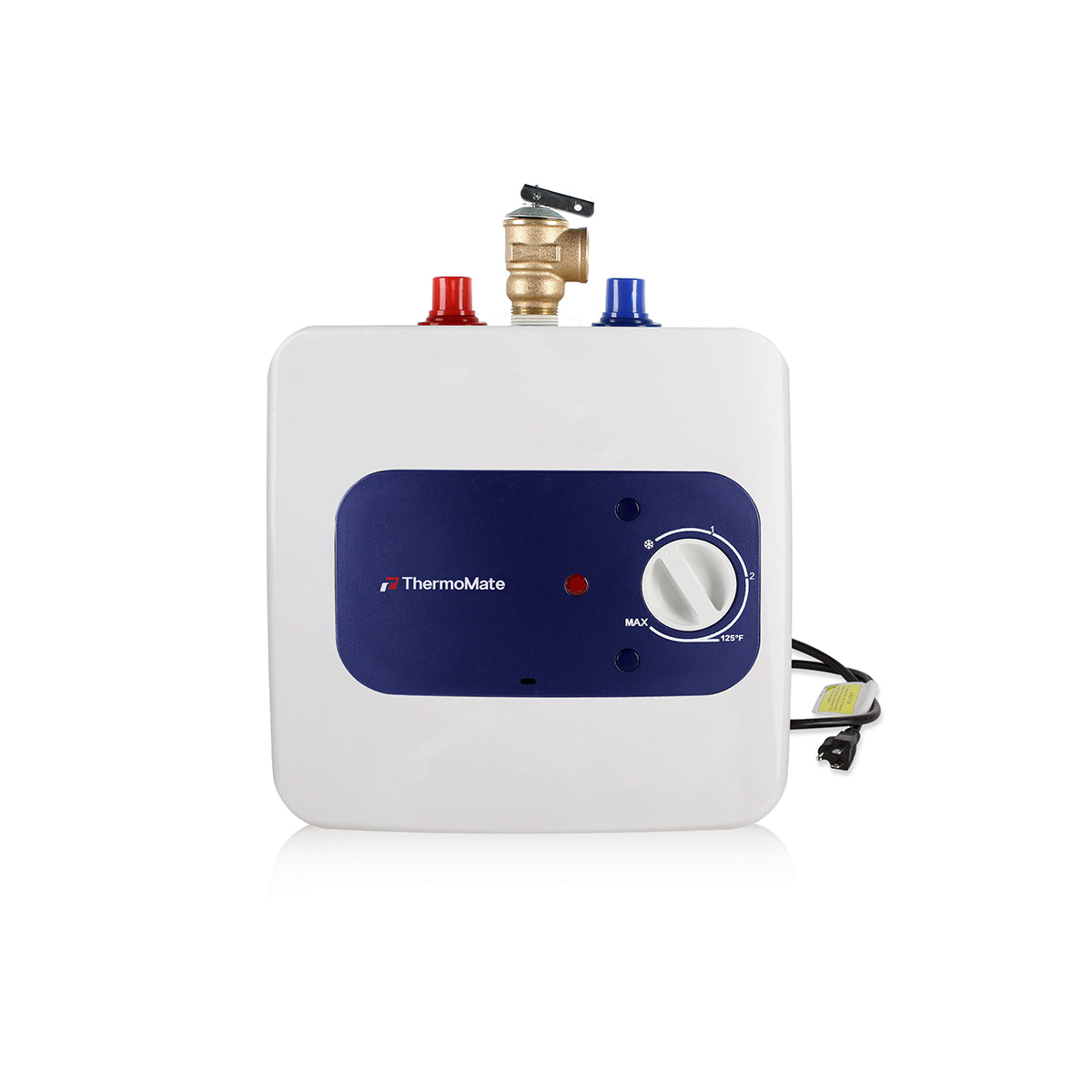
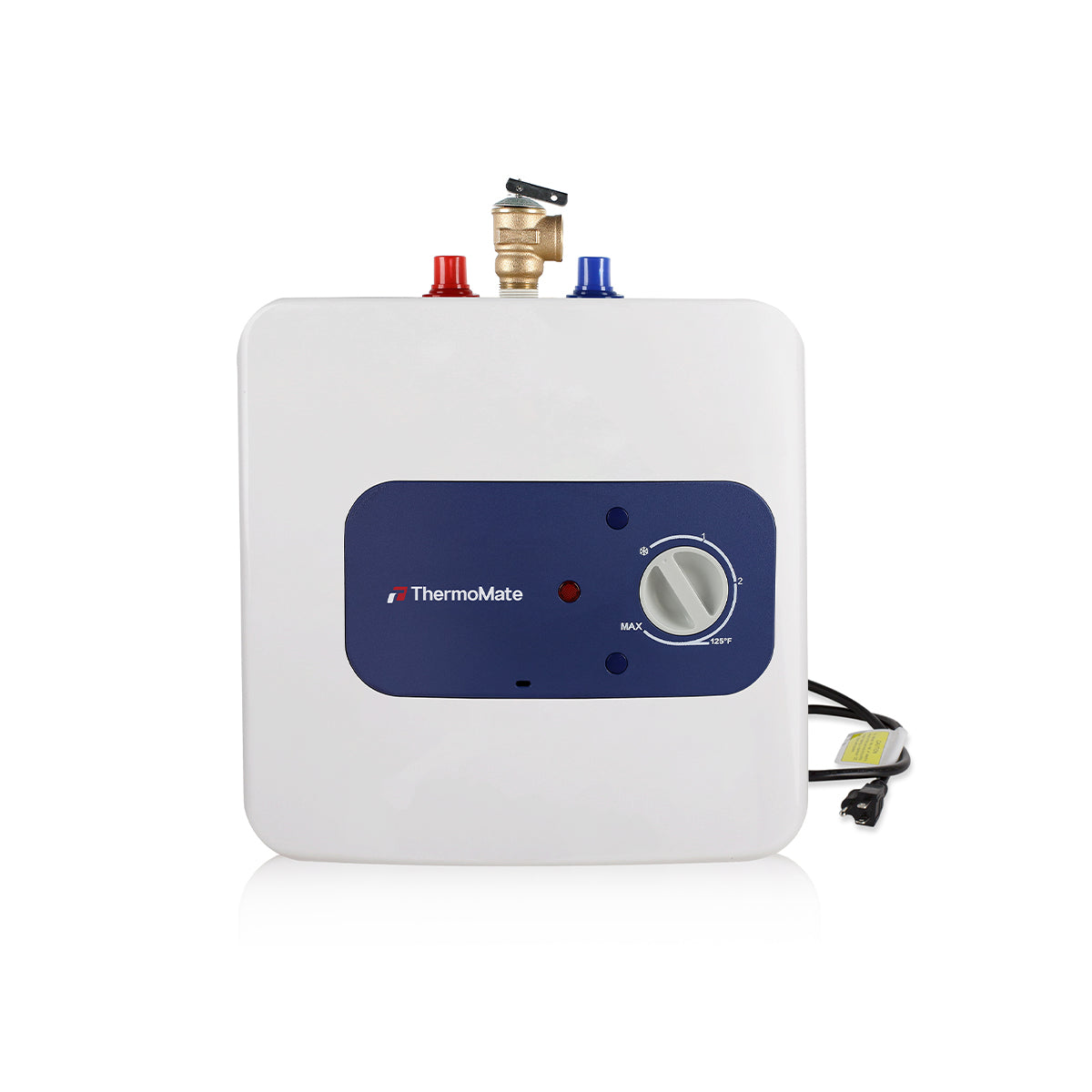
A traditional water heater uses a storage tank to heat and store a large volume of water. Most residential tanks hold between 30 and 80 gallons of hot water. The system continuously heats the stored water to maintain the set temperature.
When you turn on a hot water faucet, heated water is released from the tank and replaced with cold water, which is then reheated.
Advantages of Traditional Water Heaters
- Lower upfront cost compared to tankless systems
- Simple installation in many existing homes
- Can supply multiple fixtures at the same time
Limitations of Tank Water Heaters
Despite their popularity, traditional tank systems come with several drawbacks:
- Limited hot water supply – once the tank is empty, you must wait for it to reheat
- Higher energy consumption because the tank constantly reheats water
- Large space requirements due to the storage tank
- Shorter lifespan, typically around 8–12 years
These limitations have led many homeowners to consider switching to tankless systems.
How Electric Tankless Water Heaters Work
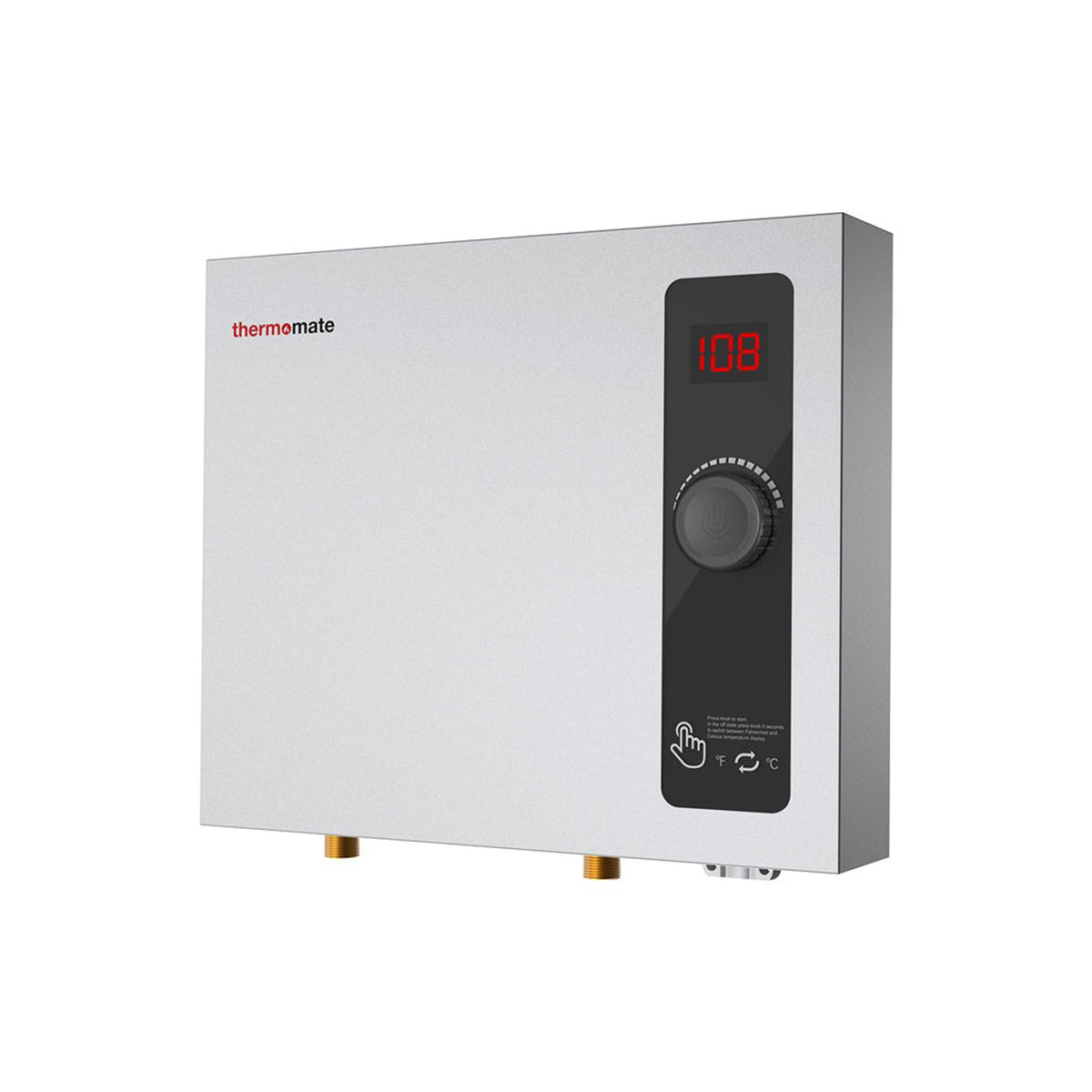
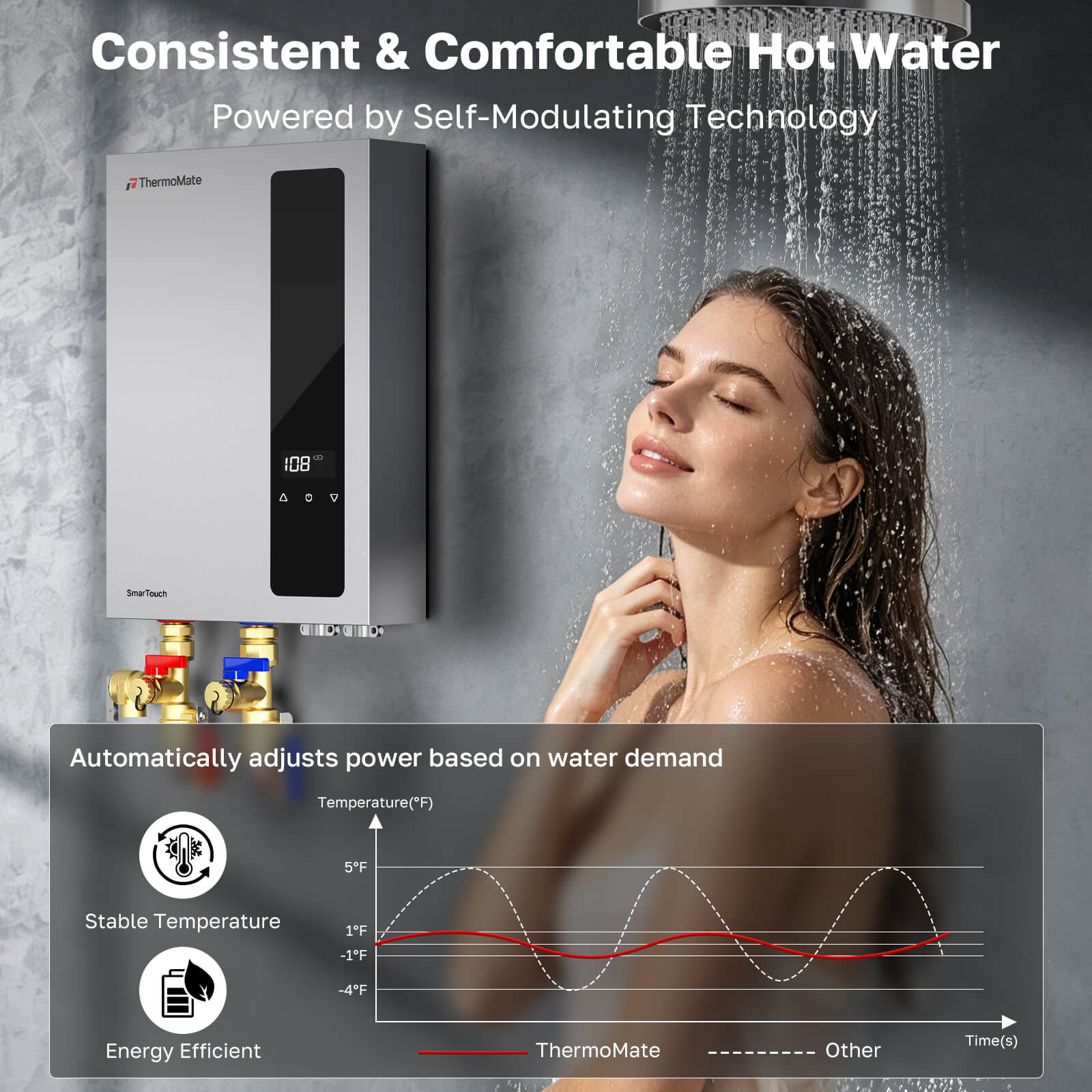
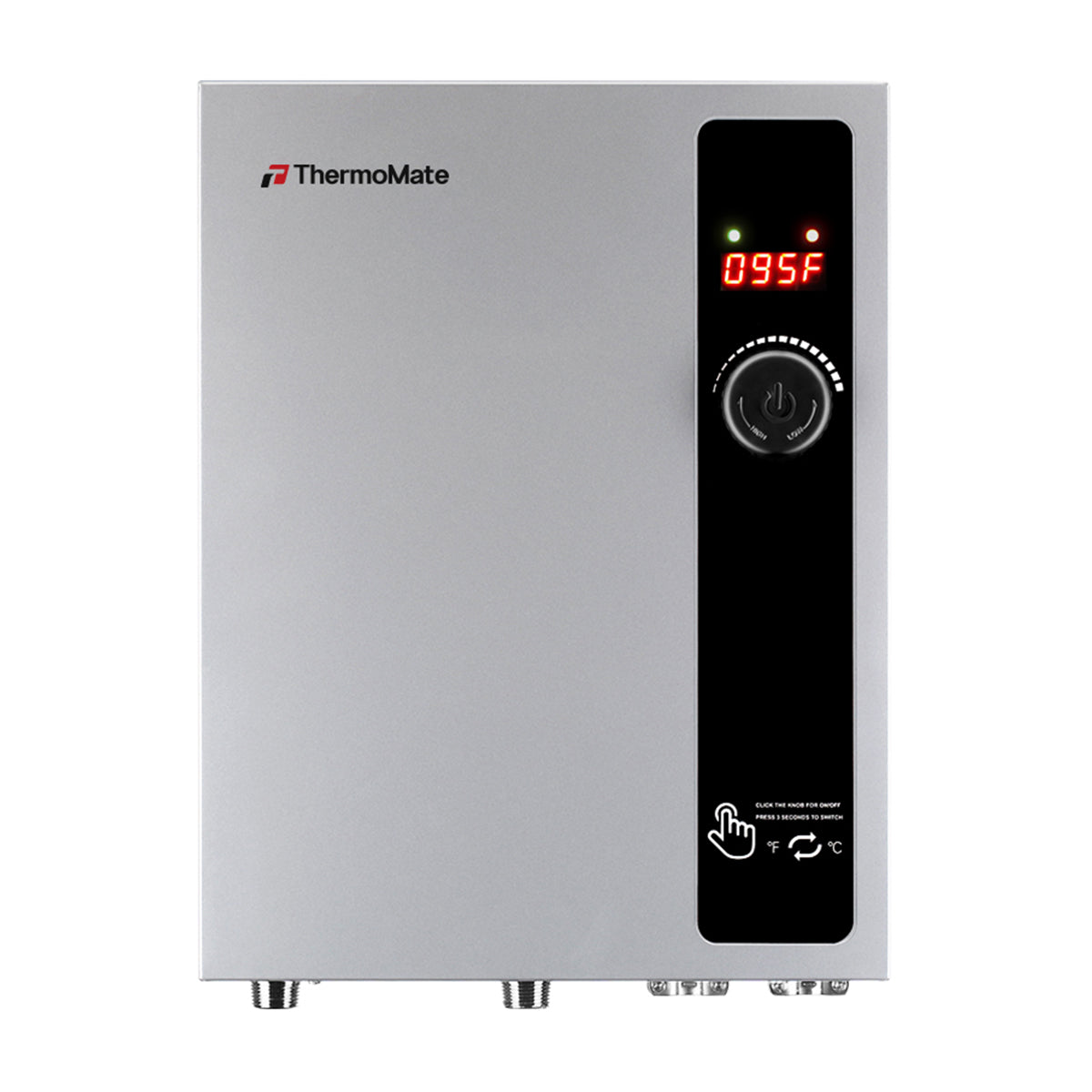
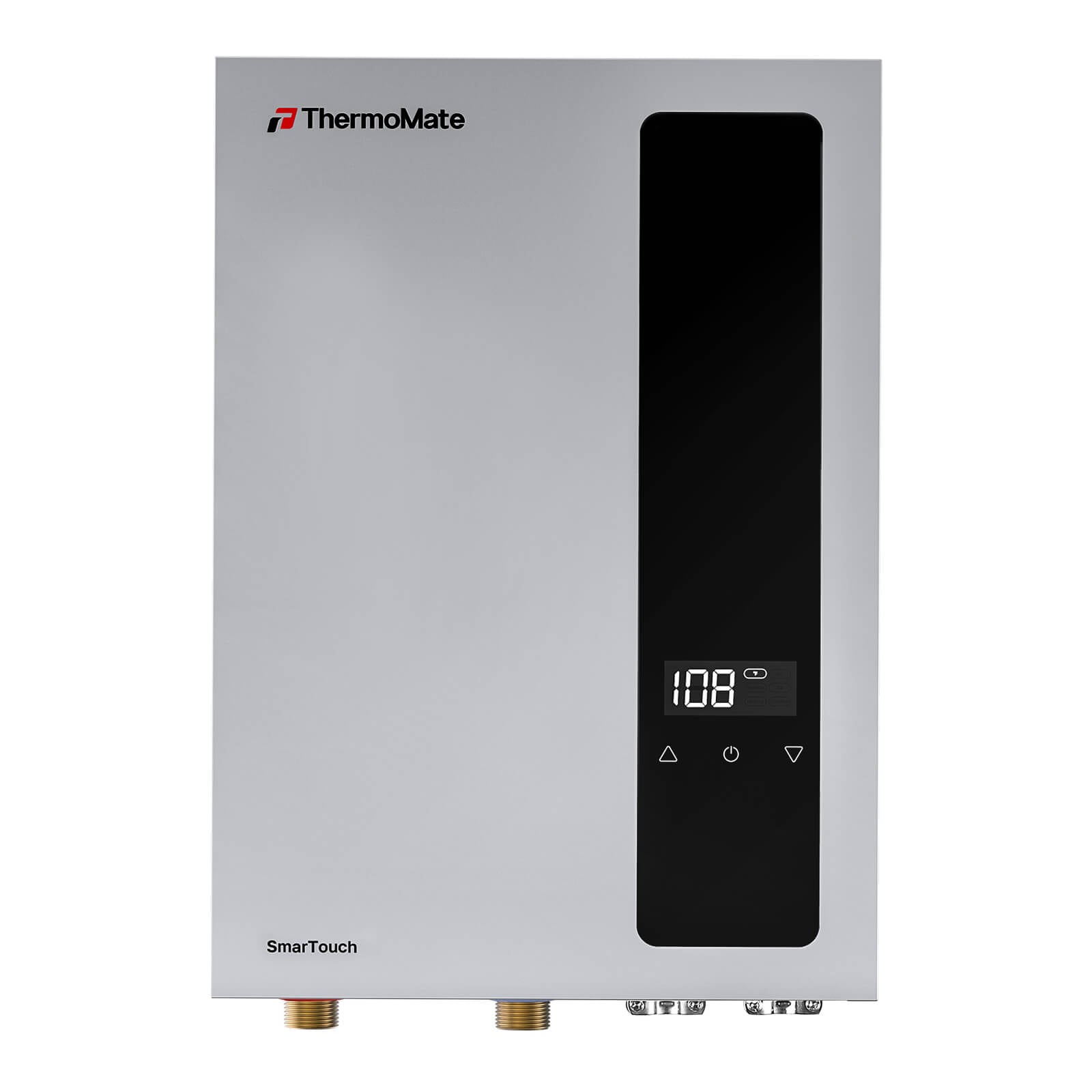
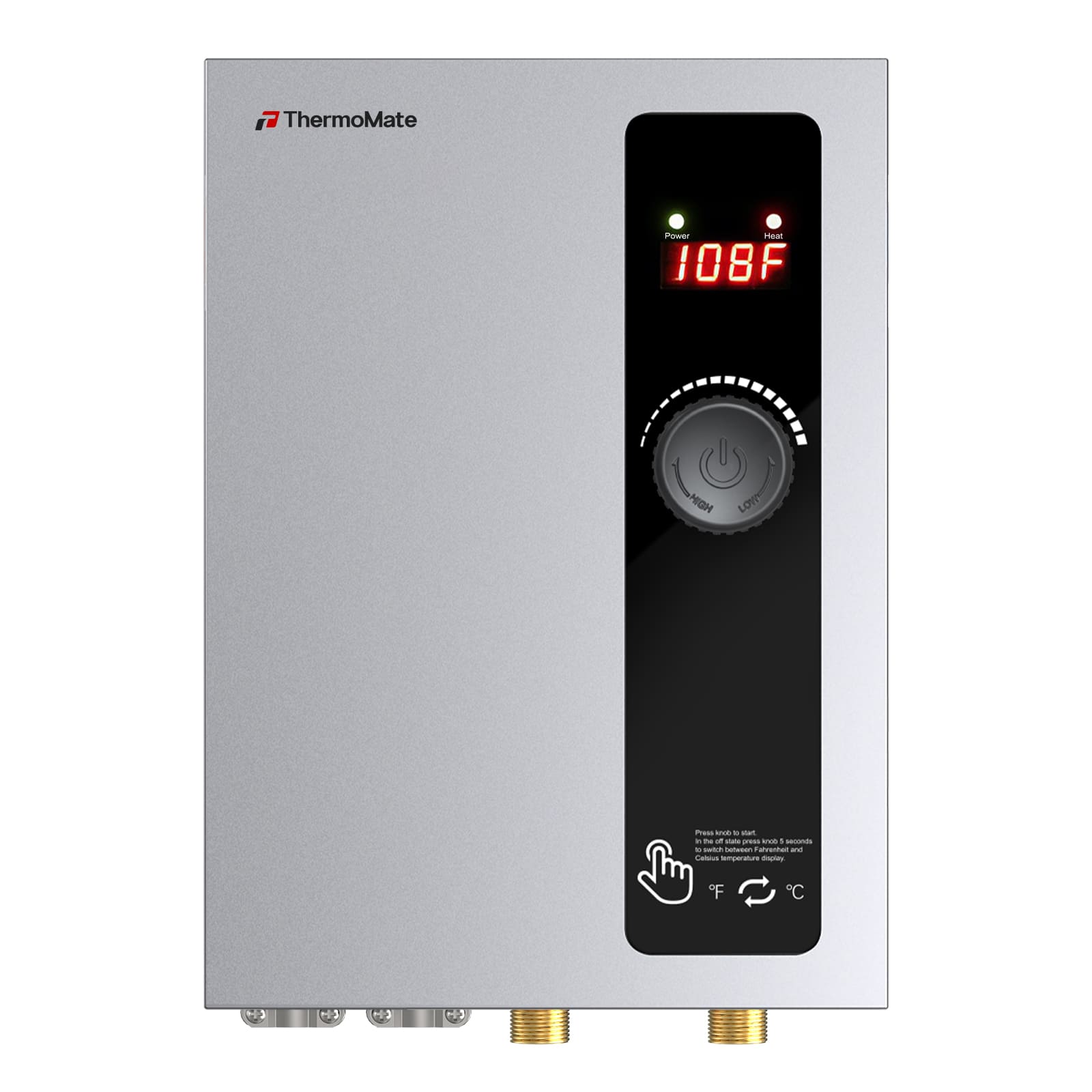
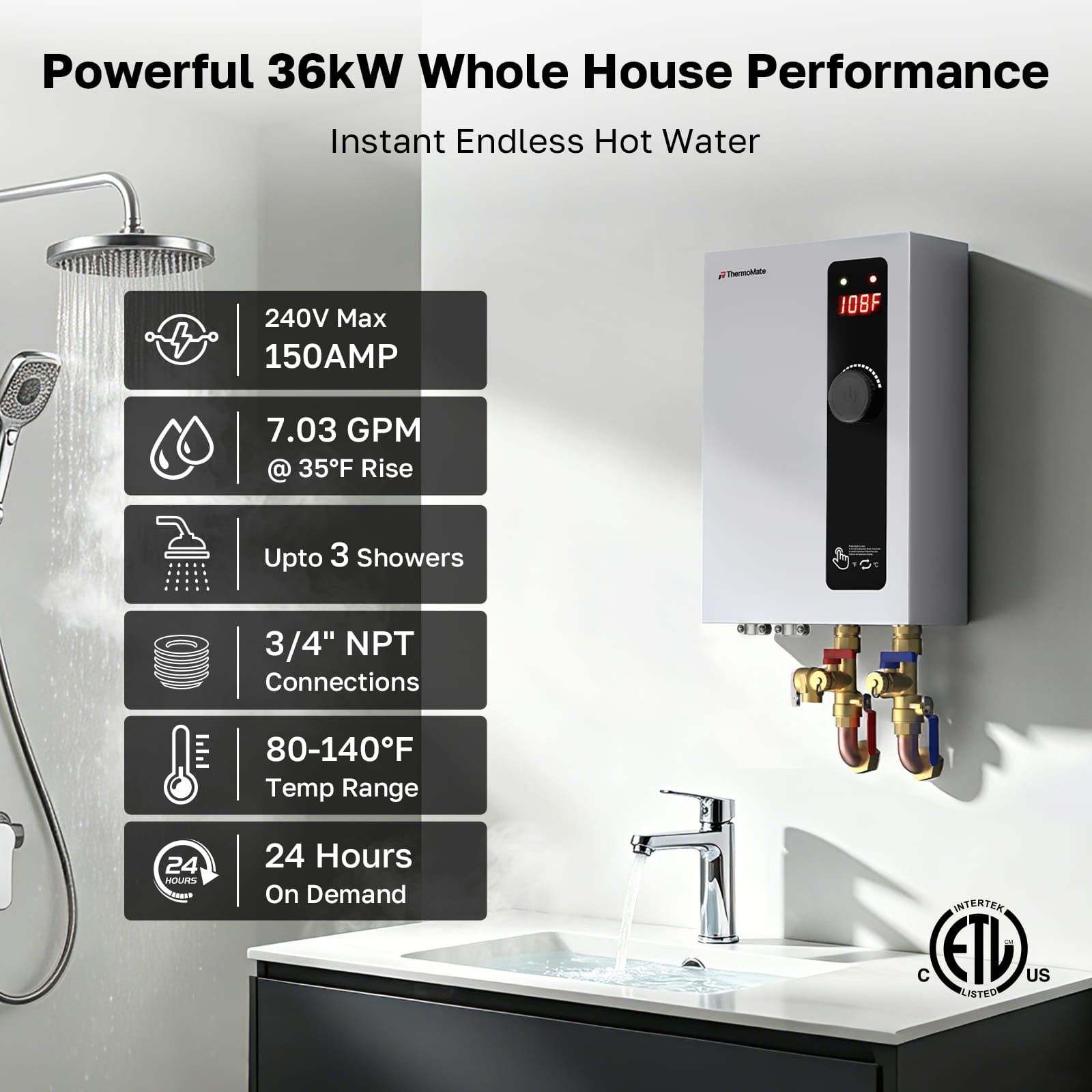
Unlike traditional systems, electric tankless water heaters do not store hot water. Instead, they heat water instantly as it flows through the unit.
When you open a hot water tap, cold water passes through a heating element inside the unit and is rapidly heated before reaching your faucet. This process provides continuous hot water without the need for a storage tank.
Electric tankless water heaters are especially popular in modern homes because they are compact, energy-efficient, and easy to install compared to gas systems.
Tankless vs Traditional Water Heater: Key Differences
1. Hot Water Supply
One of the biggest advantages of tankless systems is the on-demand hot water supply.
Traditional tanks can run out of hot water during high usage periods. For example, if multiple people shower back-to-back, the tank may need time to reheat.
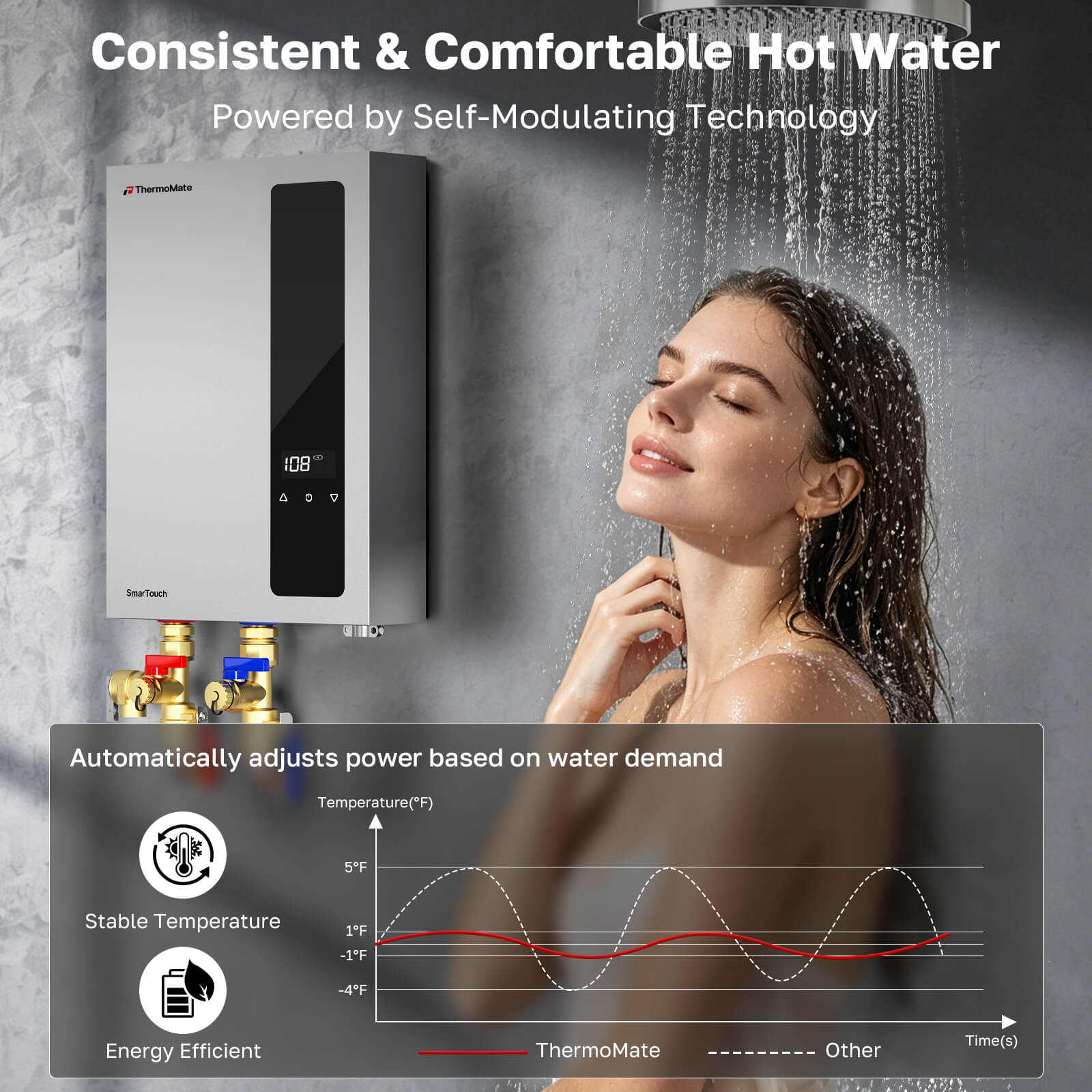
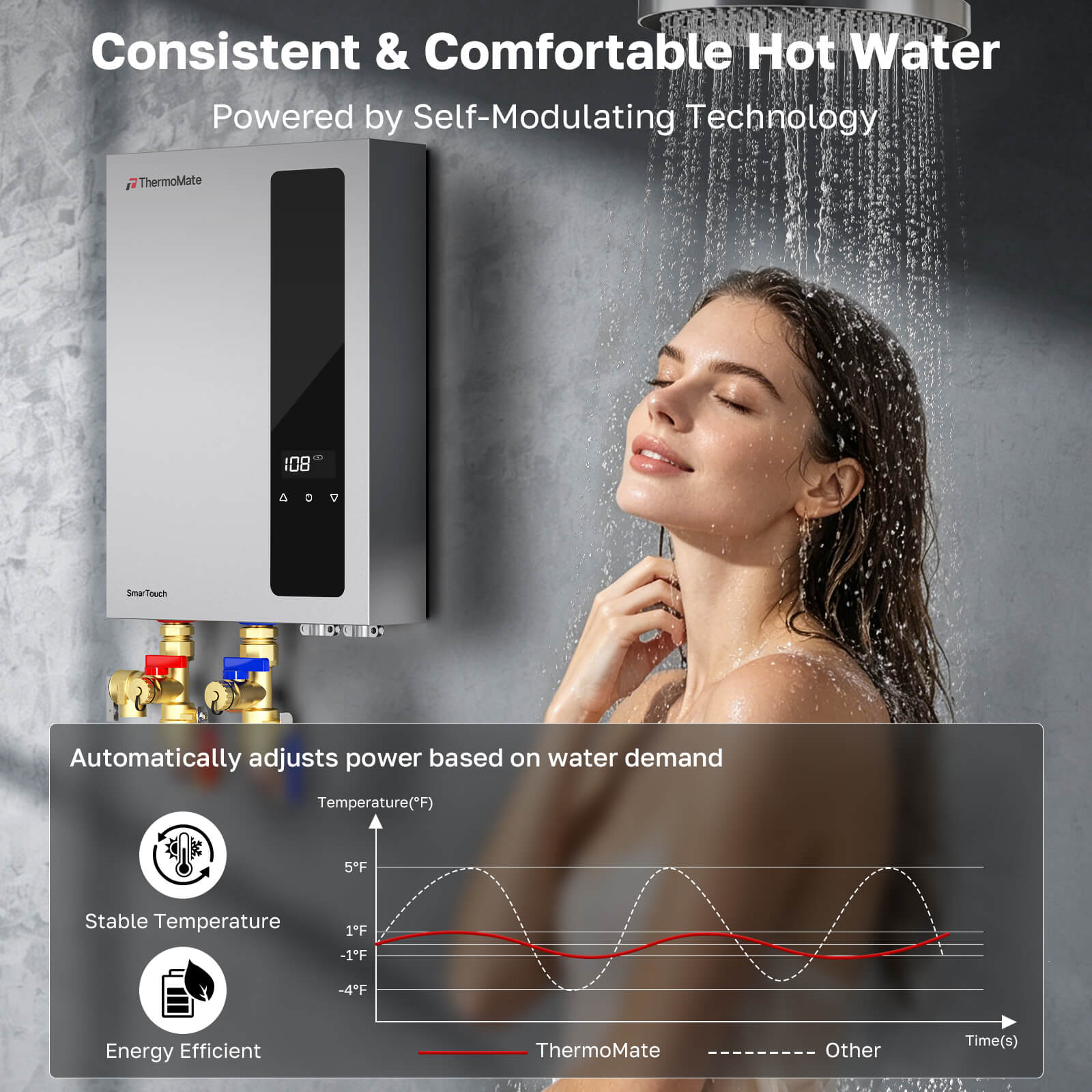
Electric tankless water heaters, however, provide continuous hot water as long as the unit’s capacity matches your household demand.
2. Energy Efficiency
Traditional tank water heaters continuously heat stored water, even when no hot water is being used. This results in standby heat loss, which increases energy consumption.
Electric tankless water heaters only operate when hot water is needed, making them more energy efficient. Many homeowners see lower electricity bills after switching to a tankless system.
3. Space Requirements
Tank water heaters require a large storage tank, which can take up significant space in basements, utility rooms, or garages.
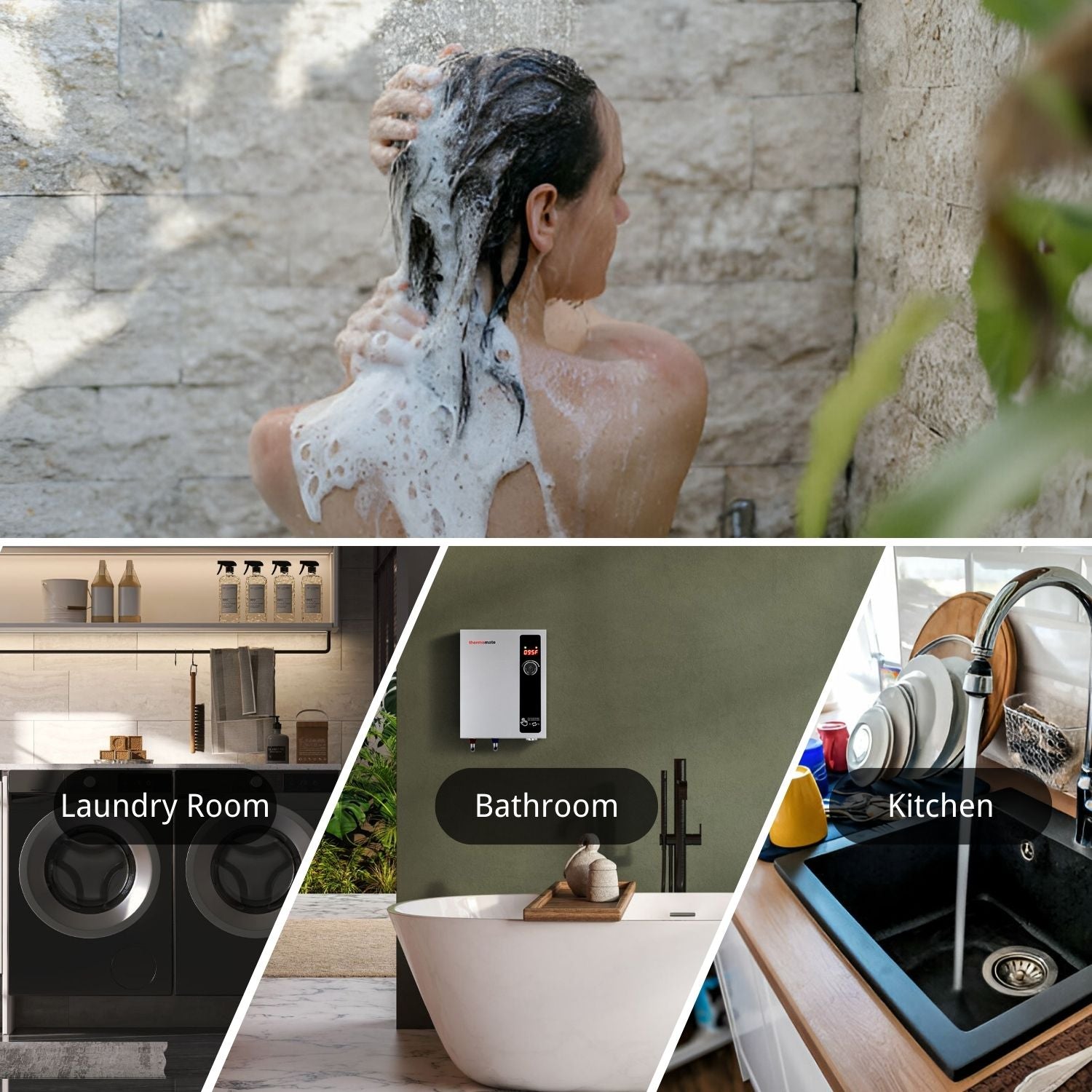
Electric tankless water heaters are compact and wall-mounted, making them ideal for:
- Apartments
- Small homes
- RVs
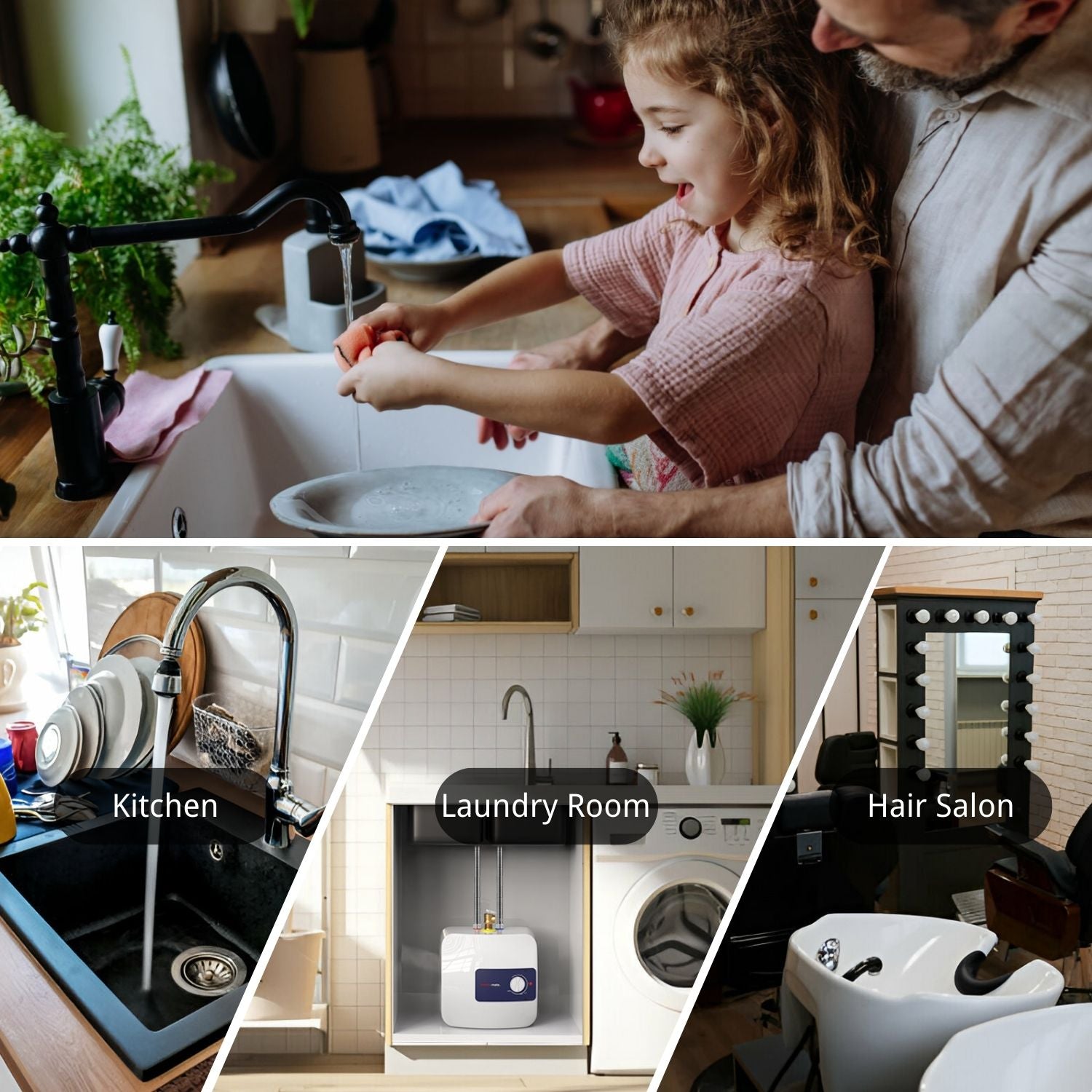
- Point-of-use installations (such as under sinks)
4. Lifespan and Durability
Traditional tank water heaters typically last 8–12 years due to corrosion and tank wear.
Electric tankless water heaters generally last 15–20 years or longer with proper maintenance, making them a long-term investment.
5. Installation Considerations
Traditional tanks are easier to install in homes that already have a tank system.
However, electric tankless water heaters are often simpler to install than gas tankless units because they do not require:
- Gas lines
- Venting systems
- Combustion air
This makes electric models an excellent choice for home upgrades and remodeling projects.
When a Traditional Water Heater May Be a Better Choice
While tankless systems offer many advantages, traditional water heaters may still be suitable for some homes.
They may be a better option if:
- Your home has very high simultaneous hot water demand
- Your electrical system cannot support a high-power tankless unit
- You prefer the lowest upfront cost
For many homeowners, however, the long-term benefits of tankless systems outweigh these considerations.
Why Many Homeowners Are Choosing Electric Tankless Water Heaters in 2026
As energy efficiency and home space optimization become increasingly important, more homeowners are switching to electric tankless water heaters.
Some key reasons include:
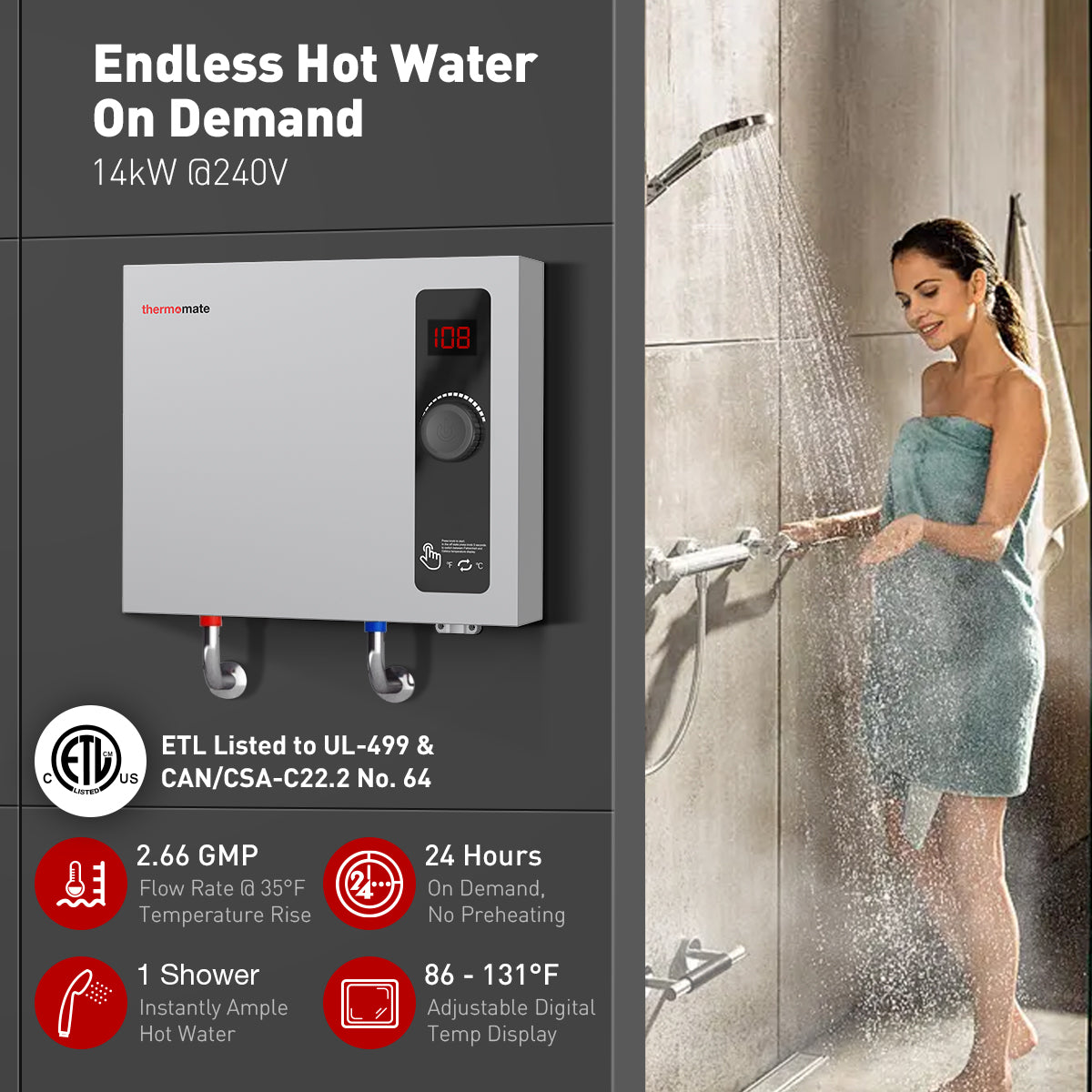
- Endless hot water on demand
- Lower long-term energy costs
- Compact and modern design
- Longer lifespan compared to tank heaters
- Environmentally friendly operation
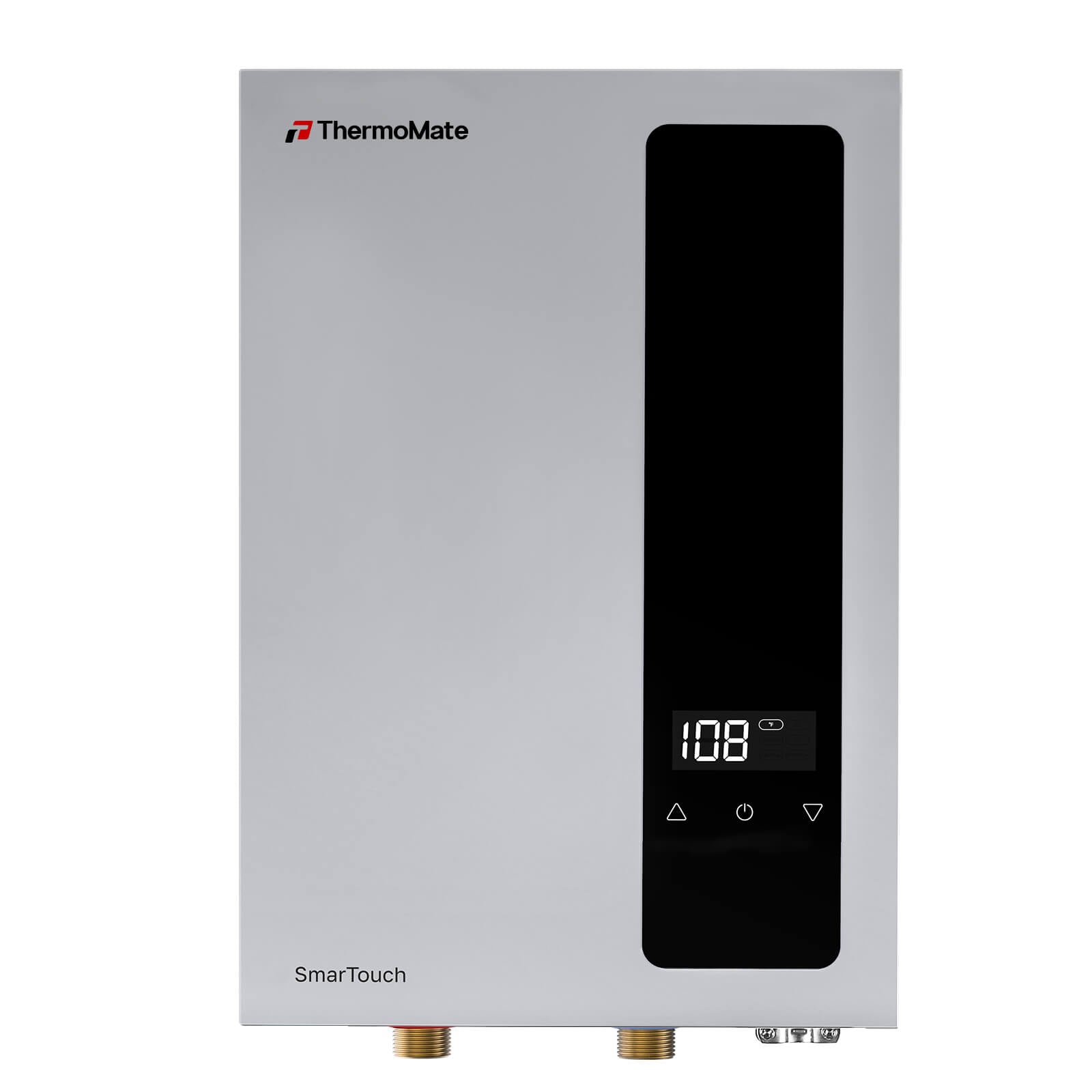
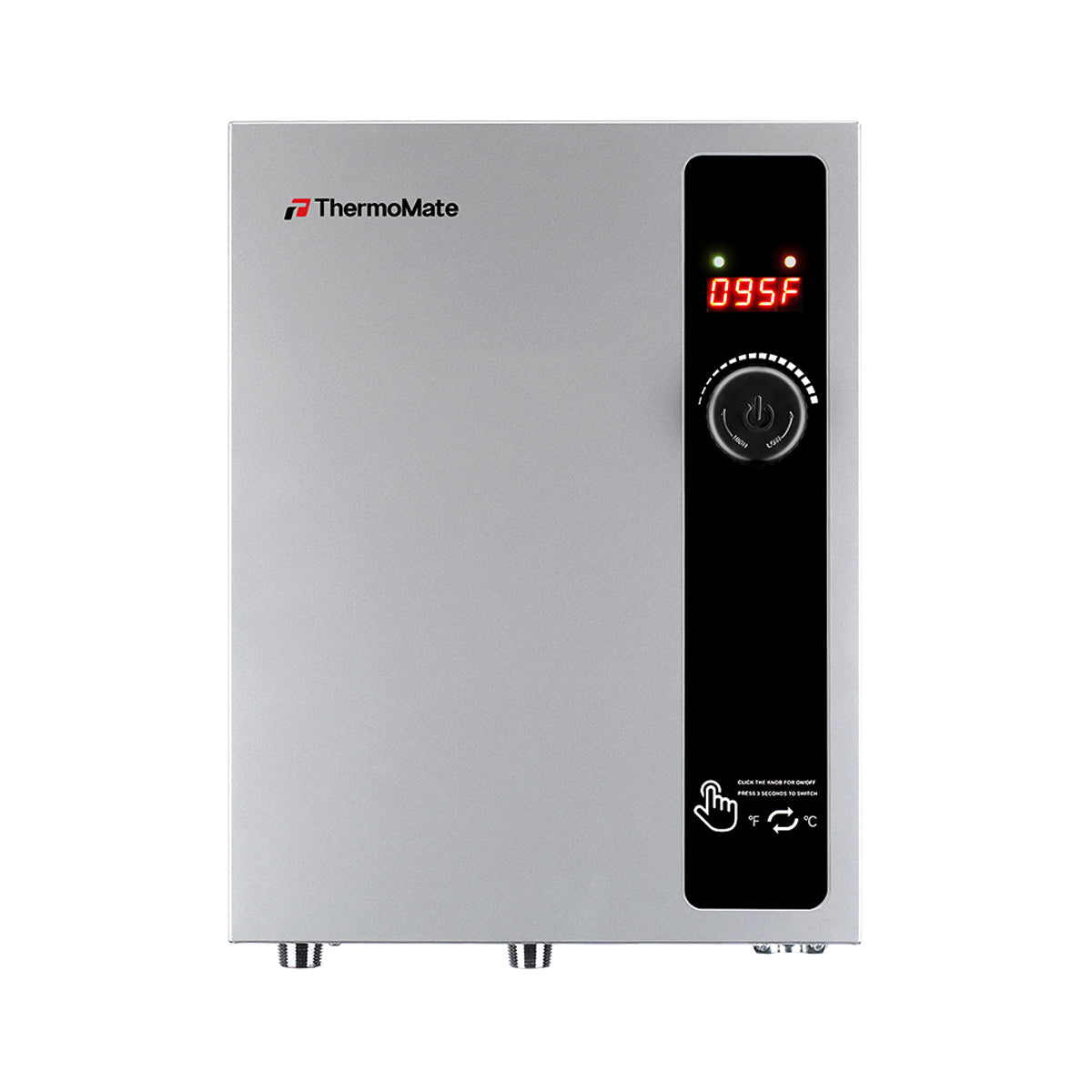
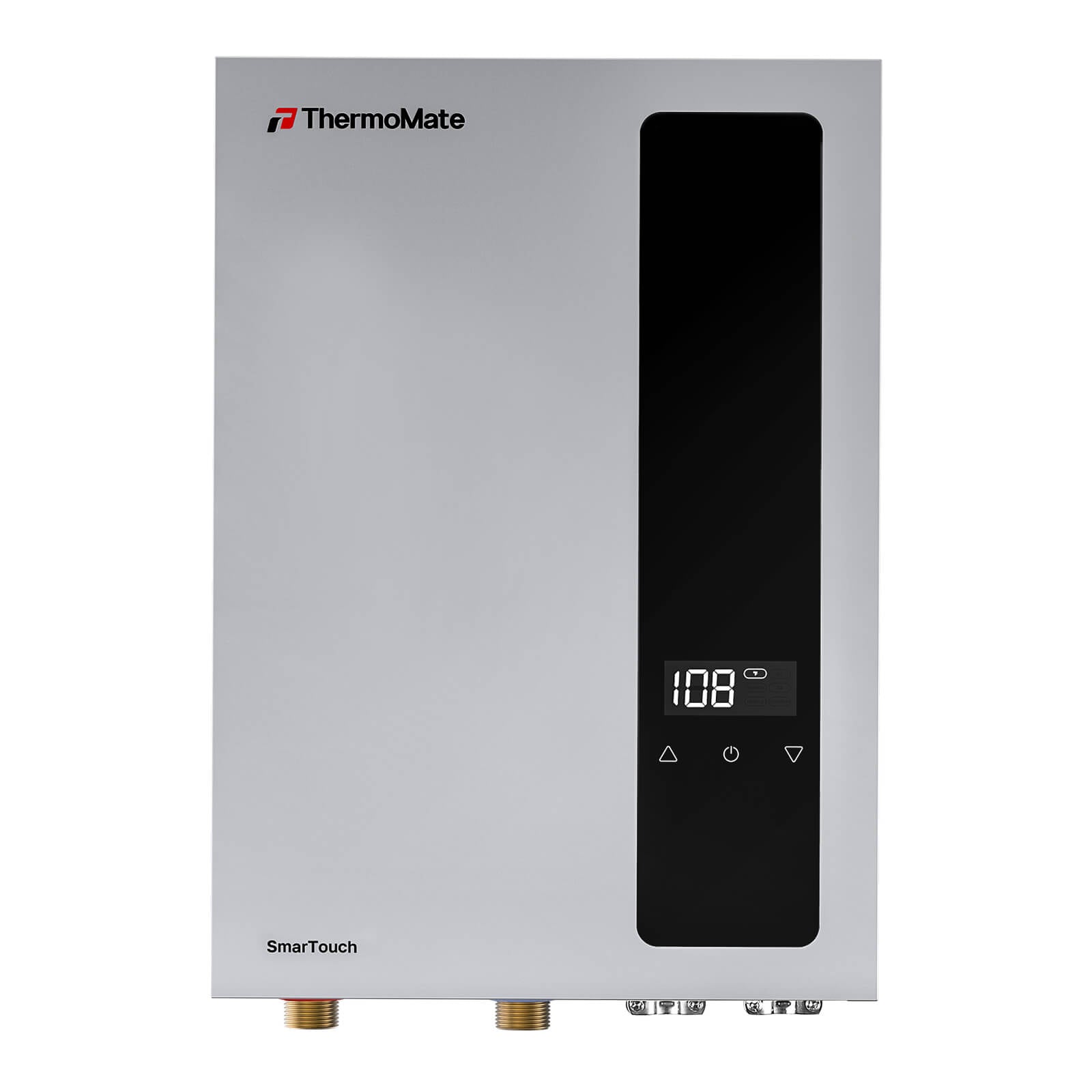
Brands like ThermoMate offer a range of electric tankless water heaters designed to meet different household needs, from small point-of-use units to powerful whole-home systems.
Choosing the Right Tankless Water Heater for Your Home
When selecting an electric tankless water heater, it’s important to consider:
- Household hot water demand
- Flow rate requirements
- Incoming water temperature
- Electrical capacity
For example:
- Smaller units are ideal for single sinks or small apartments
- Mid-sized models work well for showers or kitchens
- Larger units can supply multiple fixtures simultaneously
Understanding your home’s hot water usage will help you choose the right system for consistent performance.
Final Thoughts
Both tankless and traditional water heaters have their advantages, but the right choice depends on your household’s needs.
Traditional tank water heaters remain a reliable option for many homes. However, electric tankless water heaters offer significant advantages in energy efficiency, space savings, and continuous hot water supply.
As technology improves and homeowners look for smarter energy solutions, tankless systems are becoming the preferred choice for modern homes in 2026.
If you are considering upgrading your water heating system, an electric tankless water heater may provide the efficiency, convenience, and long-term value your home needs.