Indoor Gas Tankless Water Heater Installation Guide
Installing an indoor gas tankless water heater is one of the most effective ways to upgrade your home’s hot water system. Compared with a traditional storage tank water heater, a gas tankless unit heats water only when you need it, helping save space while delivering continuous hot water for showers, kitchens, laundry rooms, and daily household use.
However, indoor gas tankless water heater installation is not a simple plug-and-play project. Because the system involves gas supply, water lines, venting, combustion air, drainage, and local code requirements, proper planning is essential before installation begins.
This guide explains what homeowners in the U.S. and Canada should know before installing an indoor gas tankless water heater, including location selection, venting requirements, fuel type, water connections, safety checks, and when to call a licensed professional.
Why Choose an Indoor Gas Tankless Water Heater?
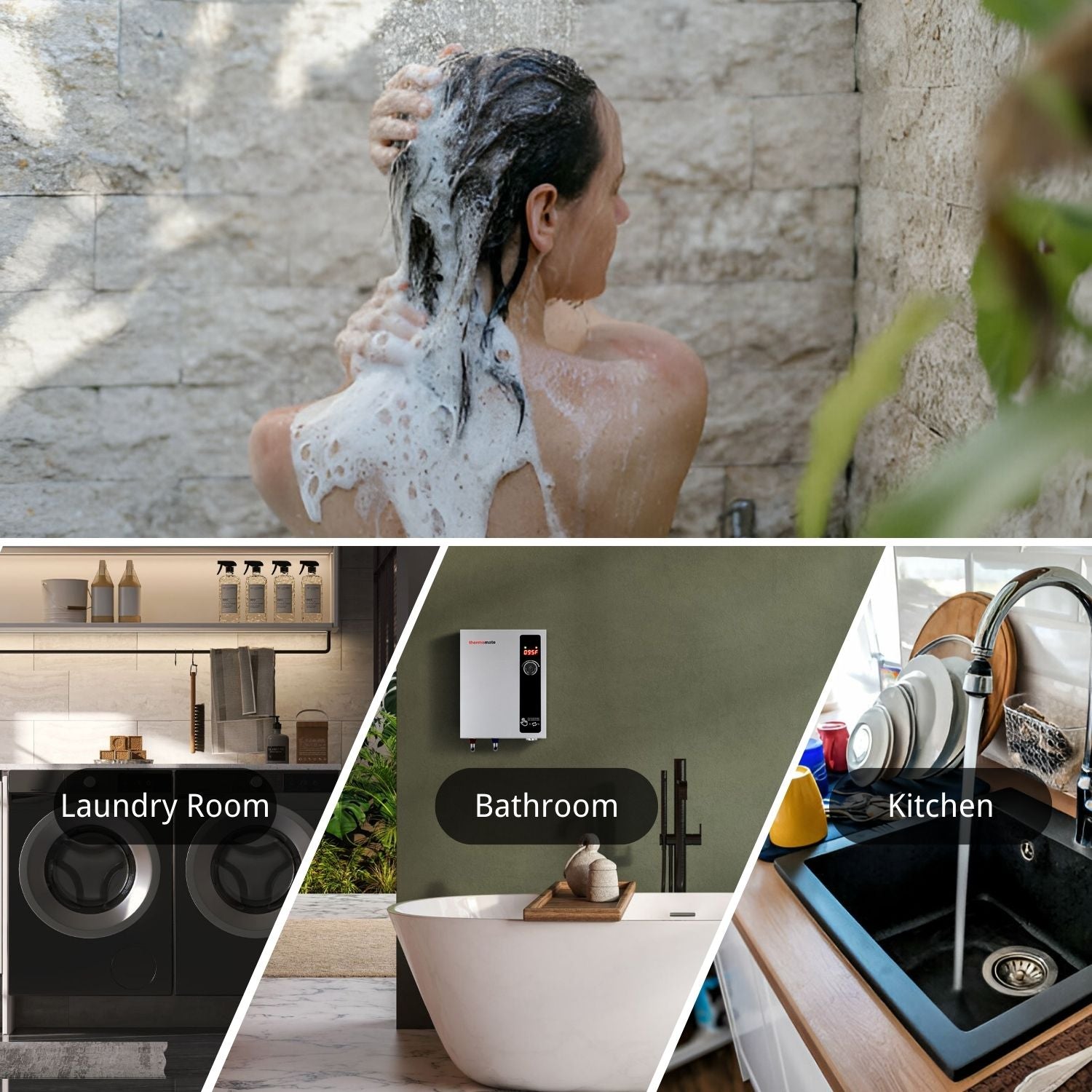
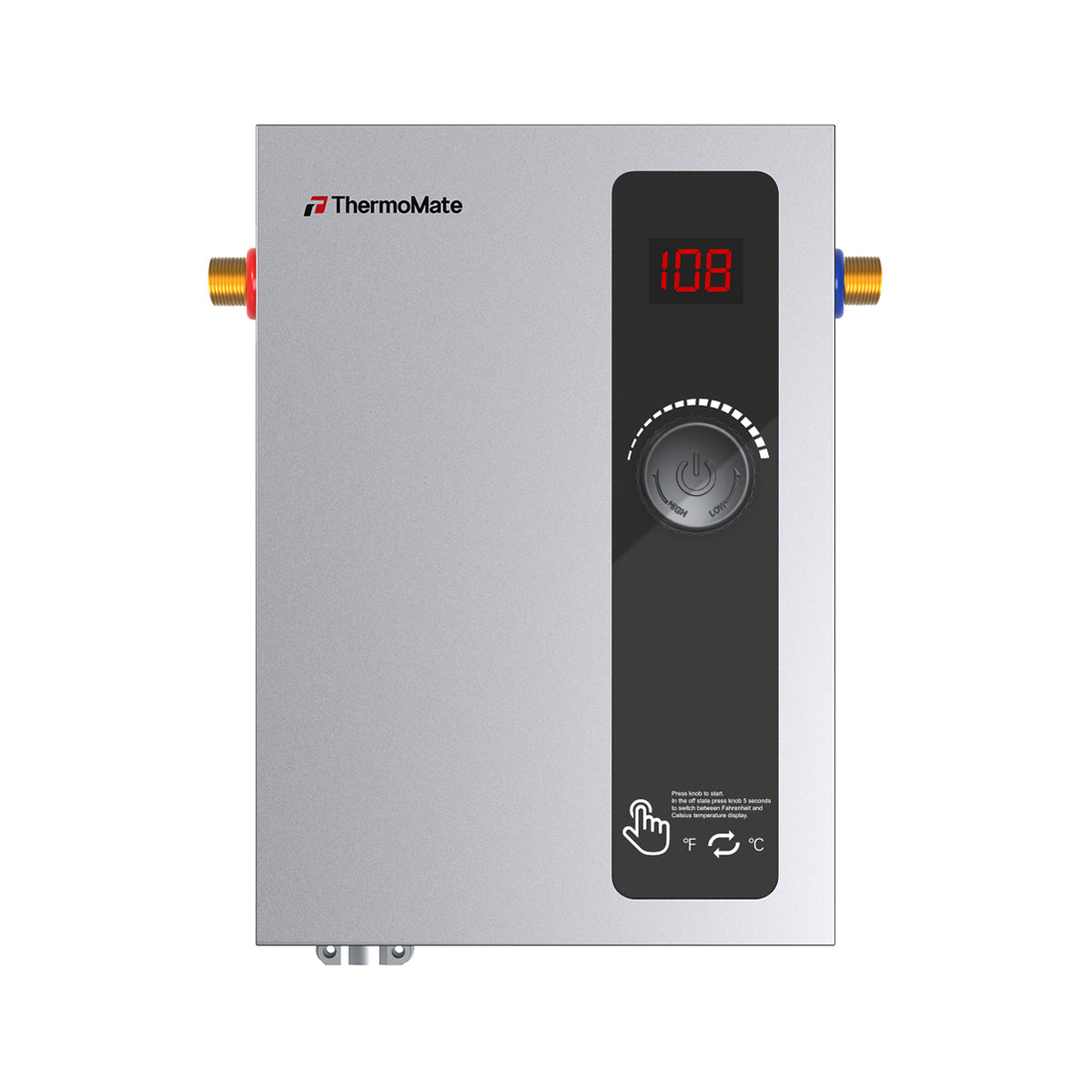
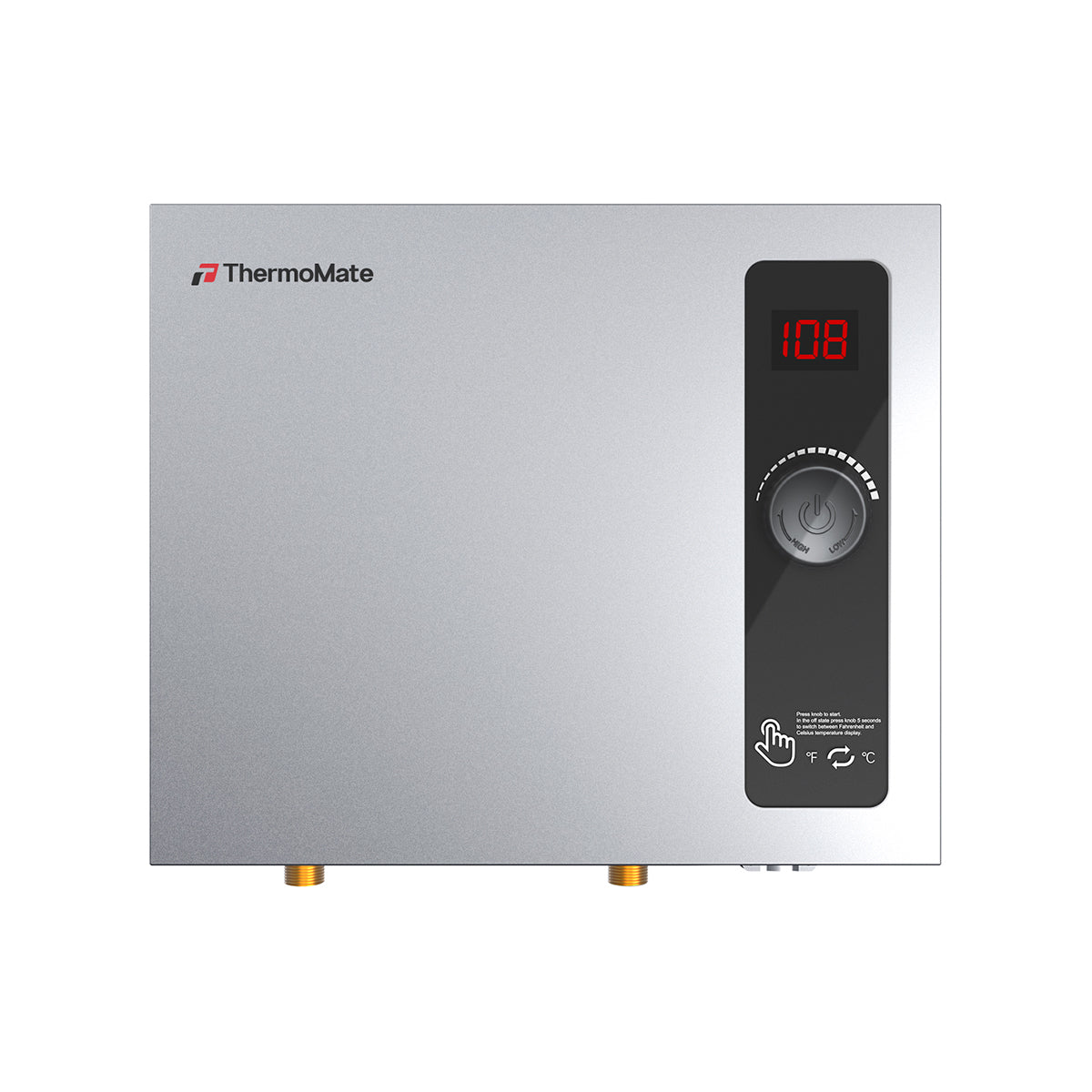
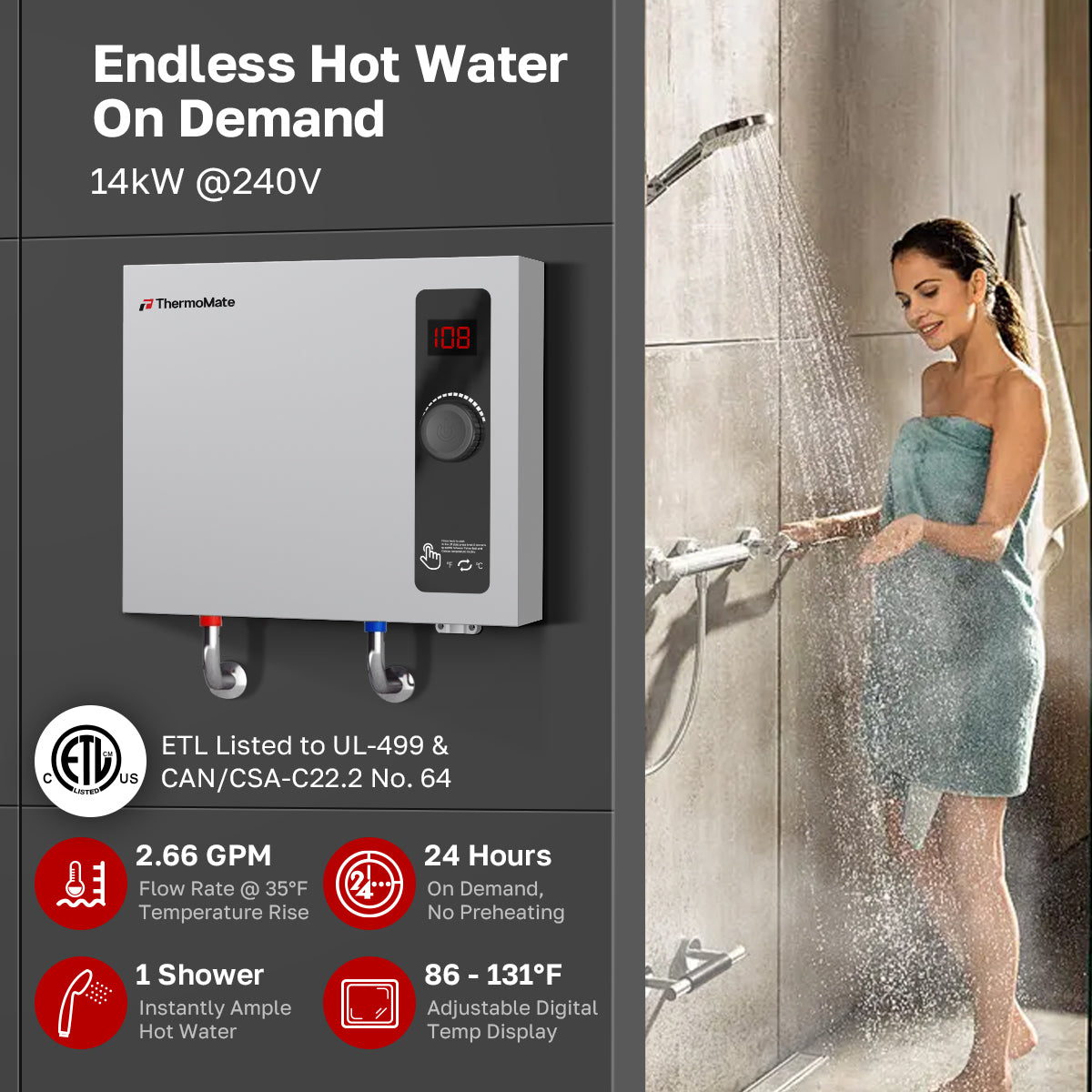
An indoor gas tankless water heater is designed to provide hot water on demand from a compact wall-mounted unit. Instead of storing hot water in a large tank, it activates when a hot water fixture is opened and heats water as it flows through the heat exchanger.
For many North American homes, this makes gas tankless water heaters a smart choice because they offer:
- Continuous hot water for daily household use
- Compact wall-mounted installation
- More usable space compared with bulky tank water heaters
- Propane or natural gas fuel options
- Strong performance for whole-home or multi-fixture applications
- Efficient operation because water is heated only when needed
If your home already has access to natural gas, a natural gas tankless water heater may be a strong whole-house option. If you live in a rural area, cabin, small home, or location without a natural gas utility line, a propane tankless water heater may offer more flexibility.
Related ThermoMate categories:

Before Installation: Key Planning Steps
Before starting an indoor gas tankless water heater installation, homeowners should review several important factors. The right preparation helps avoid performance issues, safety risks, and costly rework.
1. Choose the Right Fuel Type
Gas tankless water heaters are generally available in two main fuel types: propane and natural gas.
Natural gas is commonly used in homes connected to a municipal gas line. It is often preferred for whole-house hot water systems because it provides a steady fuel supply without needing a separate tank.
Propane is often used in cabins, rural homes, tiny homes, off-grid properties, and locations where natural gas is not available. Propane models can be a practical choice when fuel is supplied by a propane tank.
Before buying a unit, confirm your available fuel type. A propane unit should not be connected to a natural gas line, and a natural gas unit should not be connected to propane unless the manufacturer specifically supports conversion. In most cases, you should choose the correct model from the beginning.
Helpful guide: Propane vs Natural Gas Tankless Water Heater
2. Select the Proper Size and GPM
Sizing is one of the most important parts of indoor gas tankless water heater installation. A unit that is too small may not provide enough hot water when multiple fixtures run at the same time.
When comparing models, pay attention to:
- GPM, or gallons per minute
- BTU input
- Number of fixtures used at once
- Groundwater temperature in your region
- Desired hot water temperature
- Whole-house vs point-of-use application
For example, a smaller home or apartment may only need hot water for one to two fixtures at a time, while a larger household may require a higher-GPM natural gas tankless water heater for showers, laundry, and kitchen use.
Product examples:
- 4.4 GPM Residential Propane Gas Tankless Water Heater
- 9.38 GPM Condensing Residential Natural Gas Tankless Water Heater
3. Check Local Codes and Permit Requirements
In North America, gas water heater installation is regulated by local building, plumbing, mechanical, and fuel gas codes. Requirements can vary by state, province, city, and municipality.
Before installation, check whether your area requires:
- A plumbing permit
- A gas line permit
- A mechanical permit
- A licensed plumber
- A licensed gas technician
- Inspection after installation
- Specific venting materials or clearances
Because an indoor gas tankless water heater uses combustion, professional installation is strongly recommended. In many areas, gas line work must be completed by a licensed professional.

Best Location for Indoor Gas Tankless Water Heater Installation
Choosing the right installation location affects performance, safety, maintenance access, and venting layout.
Common indoor installation locations include:
- Garage utility wall
- Basement mechanical room
- Laundry room
- Utility closet
- Mechanical room
- Interior wall near existing water and gas lines
When choosing a location, consider the following:
Wall Strength
Indoor gas tankless water heaters are usually wall-mounted. The wall must be strong enough to support the unit securely. Installers often mount the unit to studs or a proper mounting board.
Access for Maintenance
The unit should be easy to access for inspection, service, filter cleaning, and annual flushing. Avoid placing the heater where future maintenance would be difficult.
Venting Path
Indoor gas tankless water heaters require proper venting to remove combustion gases safely. The installation location should allow a suitable vent route to the outdoors while following the manufacturer’s clearance requirements.
Distance to Fixtures
Installing the heater closer to major hot water fixtures can reduce wait time for hot water. For whole-house systems, the installer should consider the overall plumbing layout.
Freeze Protection
In cold regions of the U.S. and Canada, indoor placement helps reduce freeze risk. However, if the unit or plumbing is exposed to freezing temperatures, additional freeze protection and proper drainage may be required.

Venting Requirements for Indoor Gas Tankless Water Heaters
Venting is one of the most important safety parts of indoor gas tankless water heater installation. An indoor gas tankless unit must safely exhaust combustion gases outdoors.
Depending on the model, venting may involve:
- Direct vent systems
- Power vent systems
- Concentric venting
- Stainless steel vent pipe
- PVC or approved vent materials for certain condensing models
- Horizontal or vertical termination
Always follow the manufacturer’s manual for approved vent material, vent diameter, maximum vent length, slope, clearances, and termination placement.
Venting should not be improvised. Incorrect venting can cause poor combustion, system shutdowns, moisture problems, or carbon monoxide hazards.
Important venting considerations include:
- Maintain proper clearance from windows, doors, air intakes, corners, and overhangs
- Use only approved vent materials
- Keep vent runs within the allowed length
- Follow required slope for condensate drainage when applicable
- Make sure exhaust gases are directed outdoors safely
- Do not connect a tankless gas unit to an unsuitable existing vent without professional verification
Gas Line Requirements
A gas tankless water heater can require a higher gas input than a traditional tank water heater. This means the existing gas line may not always be large enough.
Before installation, a professional should verify:
- Fuel type: propane or natural gas
- Gas line diameter
- Gas pressure
- Total BTU load of all gas appliances
- Distance from gas meter or propane tank
- Shutoff valve location
- Local code requirements
An undersized gas line can cause ignition issues, reduced performance, error codes, or insufficient hot water output. If the current gas line is too small, it may need to be upgraded before installation.
Water Line Connections
The installer will connect cold water into the tankless water heater and hot water out to the home’s plumbing system. Proper connection layout may vary by model, so always follow the product manual.
A typical installation may include:
- Cold water inlet line
- Hot water outlet line
- Isolation valves
- Service valves for flushing
- Pressure relief valve
- Water filter or inlet screen
- Condensate drain for condensing models
- Pipe insulation in cold areas
Service valves are highly recommended because they make future maintenance easier. Tankless water heaters should be flushed periodically to reduce scale buildup, especially in hard-water regions.
Electrical Requirements
Many indoor gas tankless water heaters need electricity for ignition, controls, sensors, and fan-assisted venting. Even though the unit uses gas to heat water, it may still require a nearby electrical outlet.
Before installation, confirm:
- Voltage requirement
- Outlet location
- Grounding
- Surge protection if recommended
- Local electrical code compliance
If the unit requires a dedicated electrical circuit or a properly grounded outlet, a licensed electrician may be needed.
Condensate Drainage for Condensing Models
High-efficiency condensing gas tankless water heaters produce condensate during operation. This condensate must be drained properly according to the manual and local code.
A condensing model may require:
- Condensate drain line
- Approved drain location
- Condensate neutralizer where required
- Proper slope
- Freeze protection for drain lines in cold areas
If condensate is not drained correctly, the system may shut down or cause moisture-related issues.
Step-by-Step Indoor Gas Tankless Water Heater Installation Overview
The exact installation process depends on the model, home layout, local code, and fuel type. The following overview explains the general workflow.
Step 1: Review the Product Manual
Before installation begins, read the manufacturer’s manual carefully. The manual includes required clearances, venting rules, gas specifications, water connection details, electrical requirements, and safety warnings.
Step 2: Turn Off Utilities
The installer should shut off the gas supply, water supply, and power as needed before removing an old water heater or connecting the new unit.
Step 3: Mount the Tankless Water Heater
The unit should be mounted securely on a strong wall surface using the required brackets and fasteners. The mounting height should allow proper service access.
Step 4: Connect Water Lines
Cold water and hot water lines are connected according to the unit’s inlet and outlet positions. Isolation valves and service valves should be installed to support future maintenance.
Step 5: Connect the Gas Supply
The gas line is connected using approved materials and methods. A shutoff valve should be installed where required. The system should be checked for leaks before operation.
Step 6: Install the Venting System
The approved vent system is installed according to the manufacturer’s requirements. Vent termination must meet clearance rules and safely discharge exhaust outdoors.
Step 7: Connect Condensate Drain if Required
For condensing models, the condensate line is routed to an approved drain location. A neutralizer may be required depending on local code.
Step 8: Connect Electrical Power
The unit is connected to the proper electrical supply. The outlet or circuit should meet the product requirements and local electrical code.
Step 9: Test the System
After installation, the installer should test gas pressure, water flow, ignition, temperature setting, venting, leaks, and error codes. The system should run through several hot water cycles before the job is considered complete.
Step 10: Schedule Inspection if Required
If your local area requires an inspection, schedule it after installation. Keep the product manual, permit records, and installation documentation for future reference.
Common Installation Mistakes to Avoid
Indoor gas tankless water heater installation requires careful attention to detail. Avoid these common mistakes:
Using the Wrong Fuel Type
Do not connect a propane model to natural gas or a natural gas model to propane unless the manufacturer specifically allows conversion.
Undersizing the Gas Line
A gas line that is too small can prevent the unit from reaching full performance.
Improper Venting
Incorrect vent materials, long vent runs, poor clearances, or improper termination can create safety risks.
Poor Location Choice
A difficult-to-access location can make maintenance and service more expensive later.
Ignoring Hard Water
Hard water can cause scale buildup inside the heat exchanger. In hard-water areas, consider a water treatment solution and regular flushing.
Skipping Service Valves
Without service valves, routine maintenance becomes more difficult.
Not Checking Local Code
Permit and inspection requirements vary across North America. Always check local rules before installation.

Professional Installation vs DIY
Some homeowners may be comfortable with basic plumbing work, but indoor gas tankless water heater installation usually involves gas connections, venting, combustion safety, and local code compliance. For this reason, professional installation is strongly recommended.
A licensed installer can help ensure:
- Correct gas line sizing
- Proper venting
- Safe water connections
- Code-compliant installation
- Proper startup and testing
- Reduced risk of leaks or combustion issues
- Better long-term performance
DIY installation may also affect warranty coverage if the unit is installed incorrectly. Always review the warranty and manual before beginning.

Maintenance After Installation
Once your indoor gas tankless water heater is installed, regular maintenance helps protect performance and extend service life.
Recommended maintenance tasks may include:
- Flush the heat exchanger periodically
- Clean the inlet water filter
- Inspect venting for blockage or damage
- Check for leaks
- Keep the area around the unit clear
- Monitor error codes
- Protect water lines from freezing
- Schedule professional service when needed
In hard-water regions, annual flushing is especially important because mineral buildup can reduce efficiency and hot water output.
Related guide: How to Maintain Your Gas Water Heater for Longer Life

Is an Indoor Gas Tankless Water Heater Right for Your Home?
An indoor gas tankless water heater may be a good fit if you want a compact, efficient, on-demand hot water solution for your home. It is especially useful for homeowners who want to replace a bulky tank water heater, support multiple hot water fixtures, or improve whole-house hot water performance.
Choose a propane gas tankless water heater if:
- Your home does not have natural gas access
- You live in a rural area or cabin
- You need fuel flexibility
- You use propane tanks for other appliances
Choose a natural gas tankless water heater if:
- Your home already has a natural gas line
- You want whole-house hot water
- You have multiple bathrooms or higher hot water demand
- You prefer a continuous utility gas supply
Explore ThermoMate options:
FAQ: Indoor Gas Tankless Water Heater Installation
Can I install an indoor gas tankless water heater myself?
Because indoor gas tankless water heater installation involves gas supply, venting, water lines, electrical connections, and local code requirements, professional installation is strongly recommended. In many areas, gas work must be completed by a licensed professional.
Does an indoor gas tankless water heater need venting?
Yes. Indoor gas tankless water heaters must be vented outdoors according to the manufacturer’s manual and local code. Proper venting is essential for safe operation.
Can a gas tankless water heater be installed in a closet?
Some models may be installed in a utility closet if clearance, combustion air, venting, and service access requirements are met. Always follow the product manual and local code.
Do gas tankless water heaters need electricity?
Many indoor gas tankless water heaters require electricity for ignition, control systems, sensors, and fan-assisted venting. Check the specific model requirements before installation.
How much space does an indoor tankless water heater need?
Tankless units are usually much more compact than traditional tank water heaters, but they still require clearance around the unit for safety, ventilation, and service access. Refer to the installation manual for exact clearance requirements.
What size gas tankless water heater do I need?
The right size depends on your home’s hot water demand, number of fixtures, incoming groundwater temperature, and desired temperature rise. Larger homes or multiple bathrooms usually require a higher-GPM model.
Should I choose propane or natural gas?
Choose natural gas if your home already has a natural gas utility line and you want a whole-house hot water solution. Choose propane if you live in a rural area, cabin, off-grid property, or location without natural gas access.
Final Thoughts
A properly installed indoor gas tankless water heater can provide reliable, space-saving, on-demand hot water for modern homes. The key is choosing the right fuel type, selecting the correct size, planning the installation location, following venting requirements, and working with a qualified professional.
Whether you need a propane tankless water heater for a cabin or a natural gas tankless water heater for whole-house hot water, ThermoMate offers gas tankless water heater options designed for different home layouts, fuel sources, and hot water needs.
Start here: