Are Tankless Water Heaters Worth It in 2026? Real Cost Breakdown
With energy prices fluctuating and more homeowners focusing on efficiency and sustainability, many Americans are asking the same question in 2026:
Are tankless water heaters really worth the investment?
In this guide, we break down the real costs, long-term savings, and performance benefits of switching from a traditional tank system to an electric tankless water heater.
How Traditional Tank Water Heaters Cost You More Over Time
Most U.S. homes still use 40–50 gallon storage tank water heaters. While the upfront cost may be lower, they come with hidden expenses:
- Standby heat loss (heating water 24/7)
- Limited hot water supply
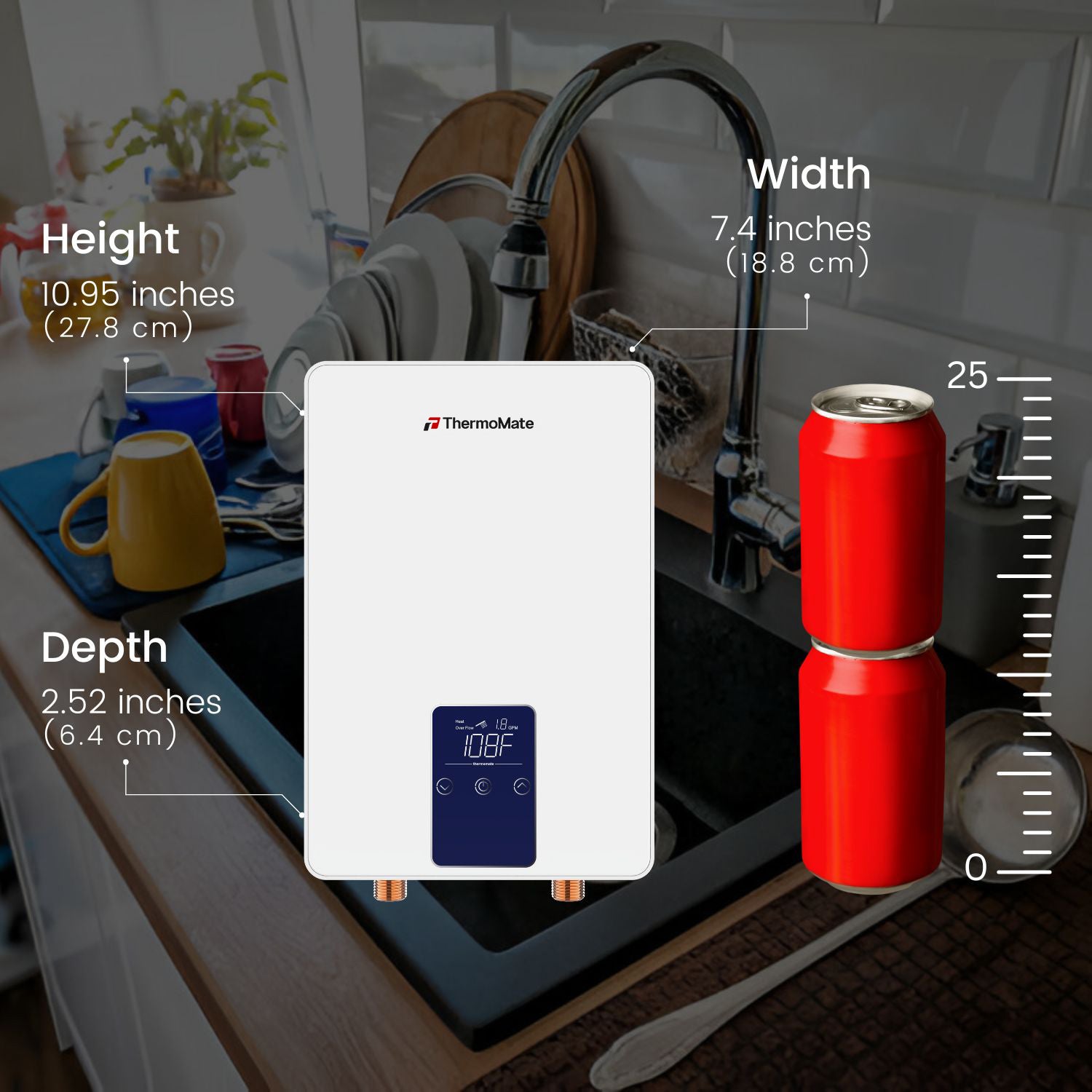
- Larger footprint
- Shorter lifespan (typically 8–12 years)
- Higher long-term energy consumption
Because tank heaters constantly maintain water temperature, they consume electricity or gas even when you’re not using hot water.
What Makes Tankless Water Heaters Different?
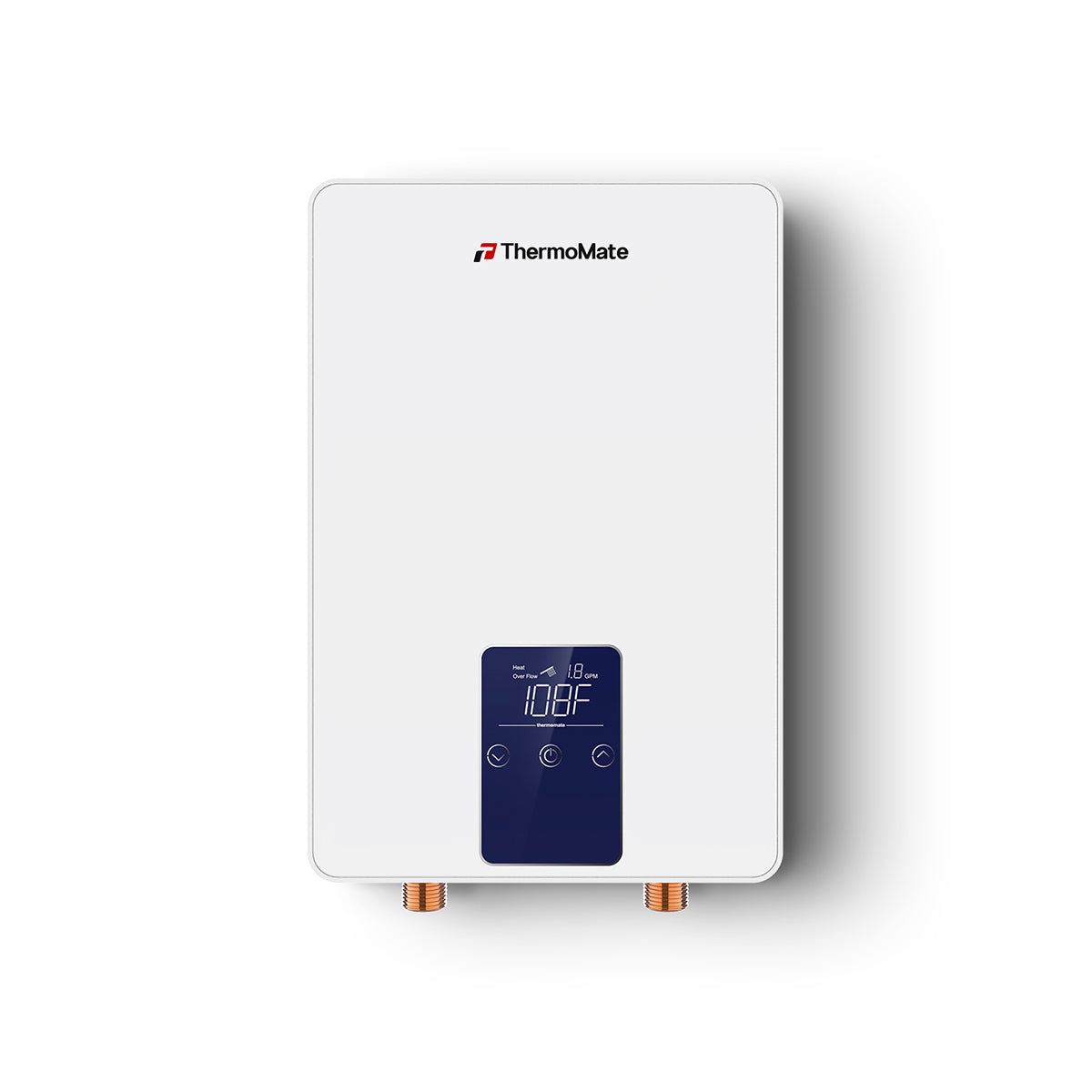
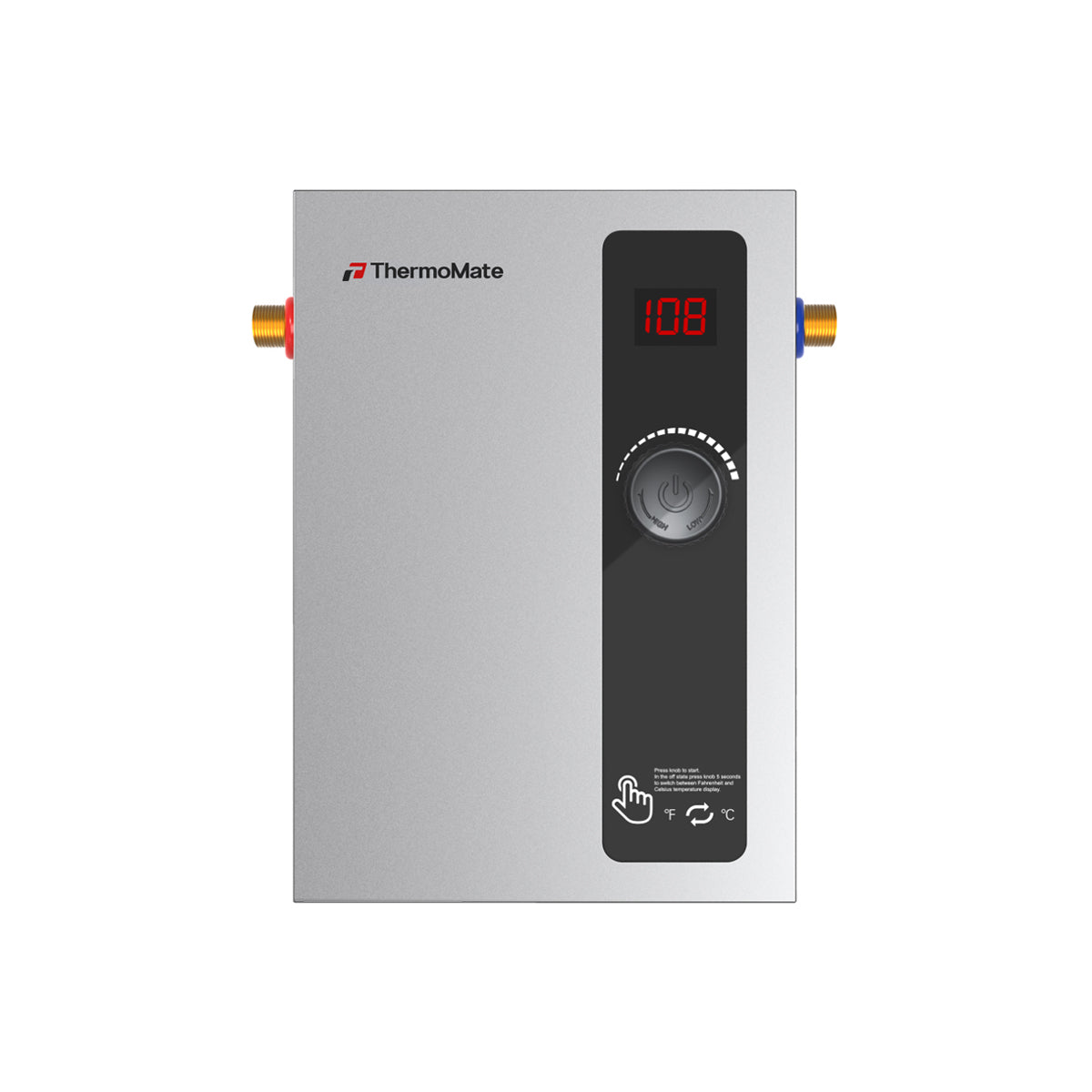
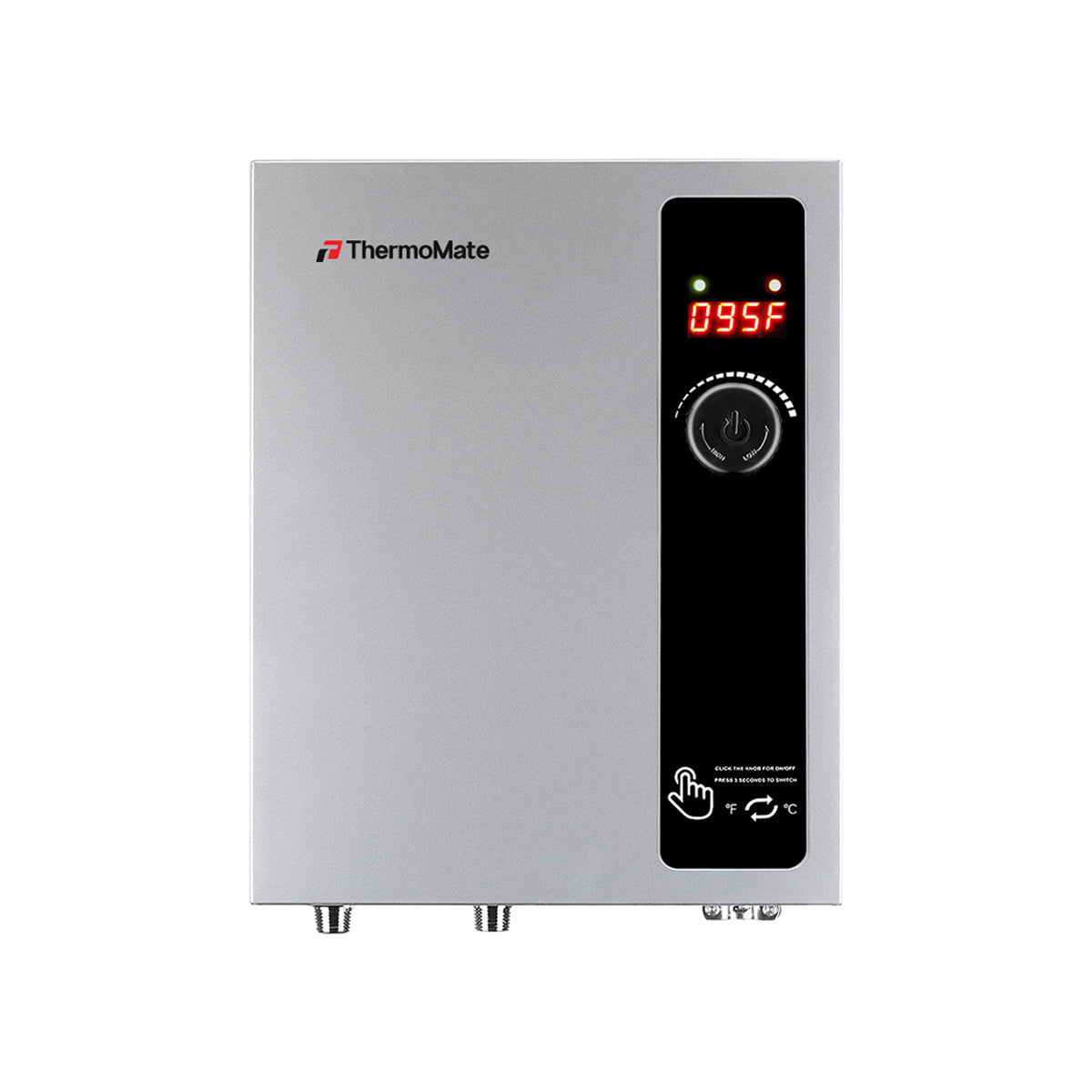
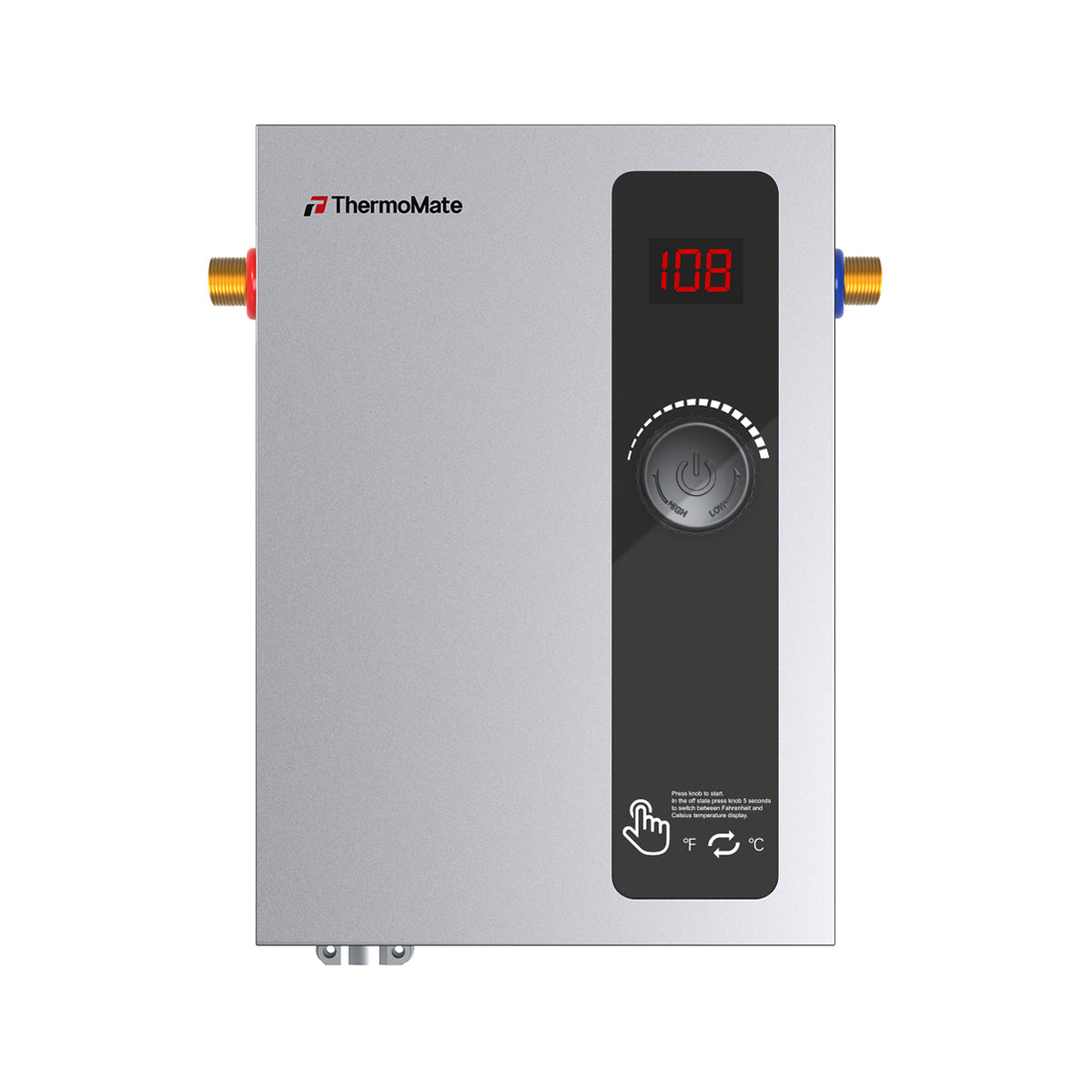
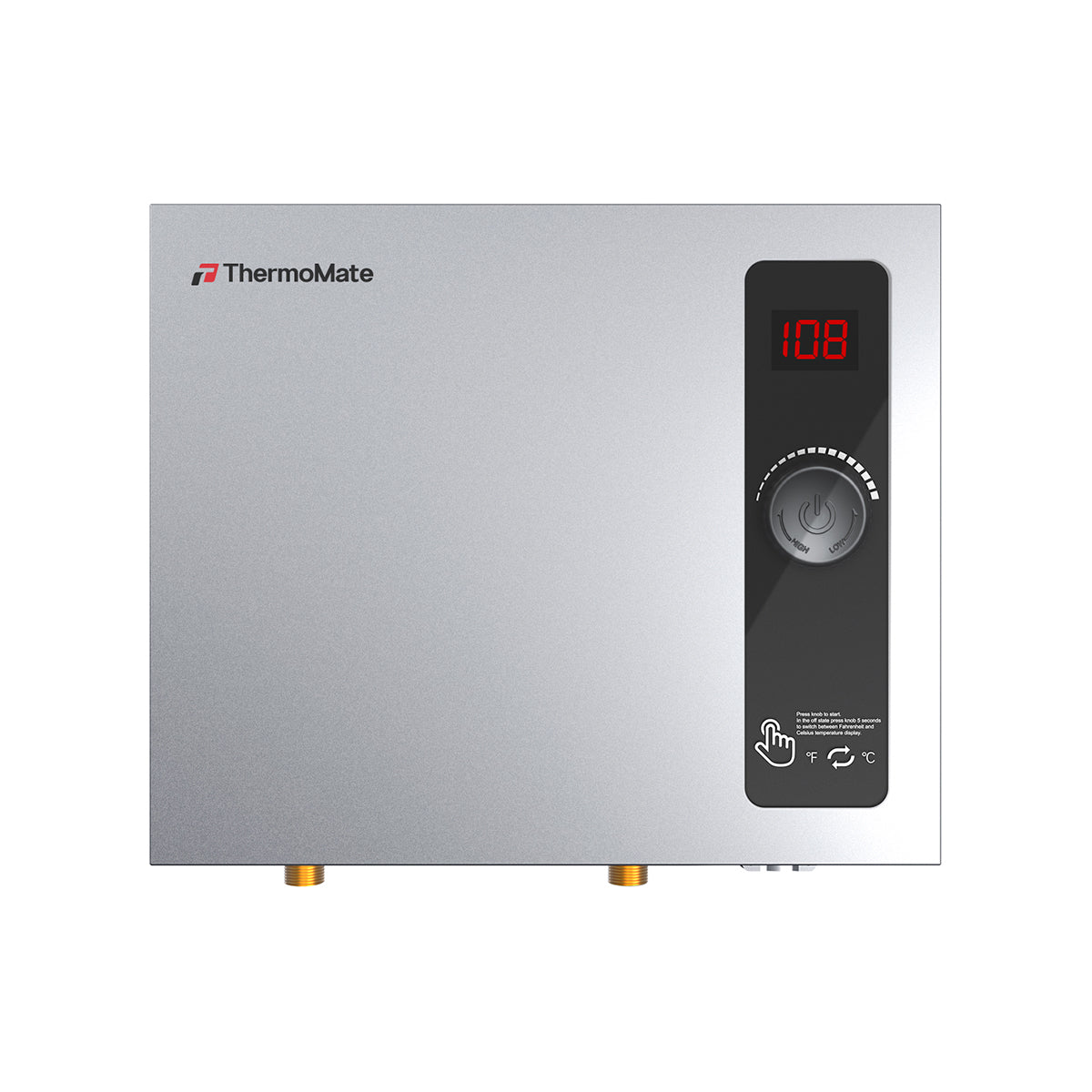
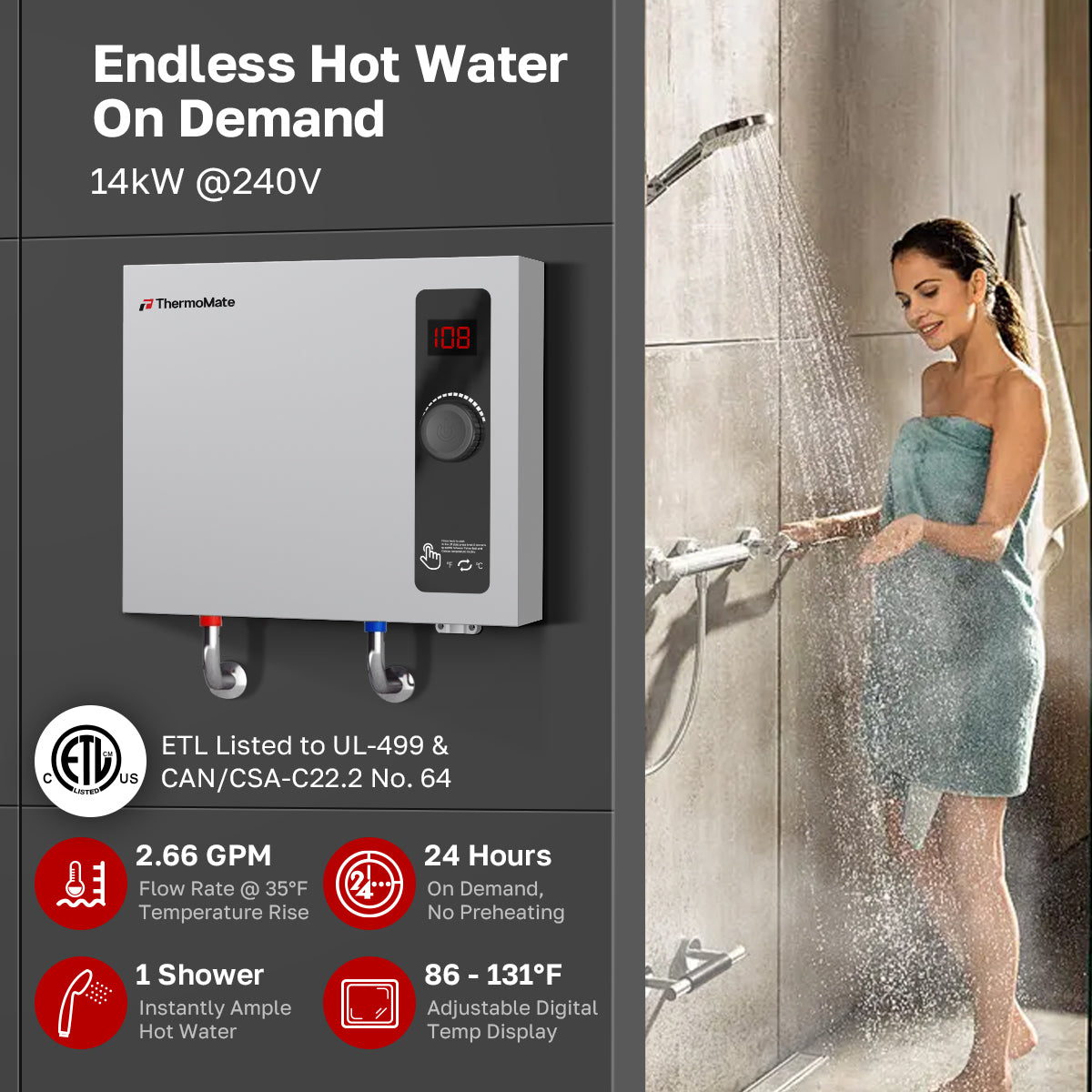
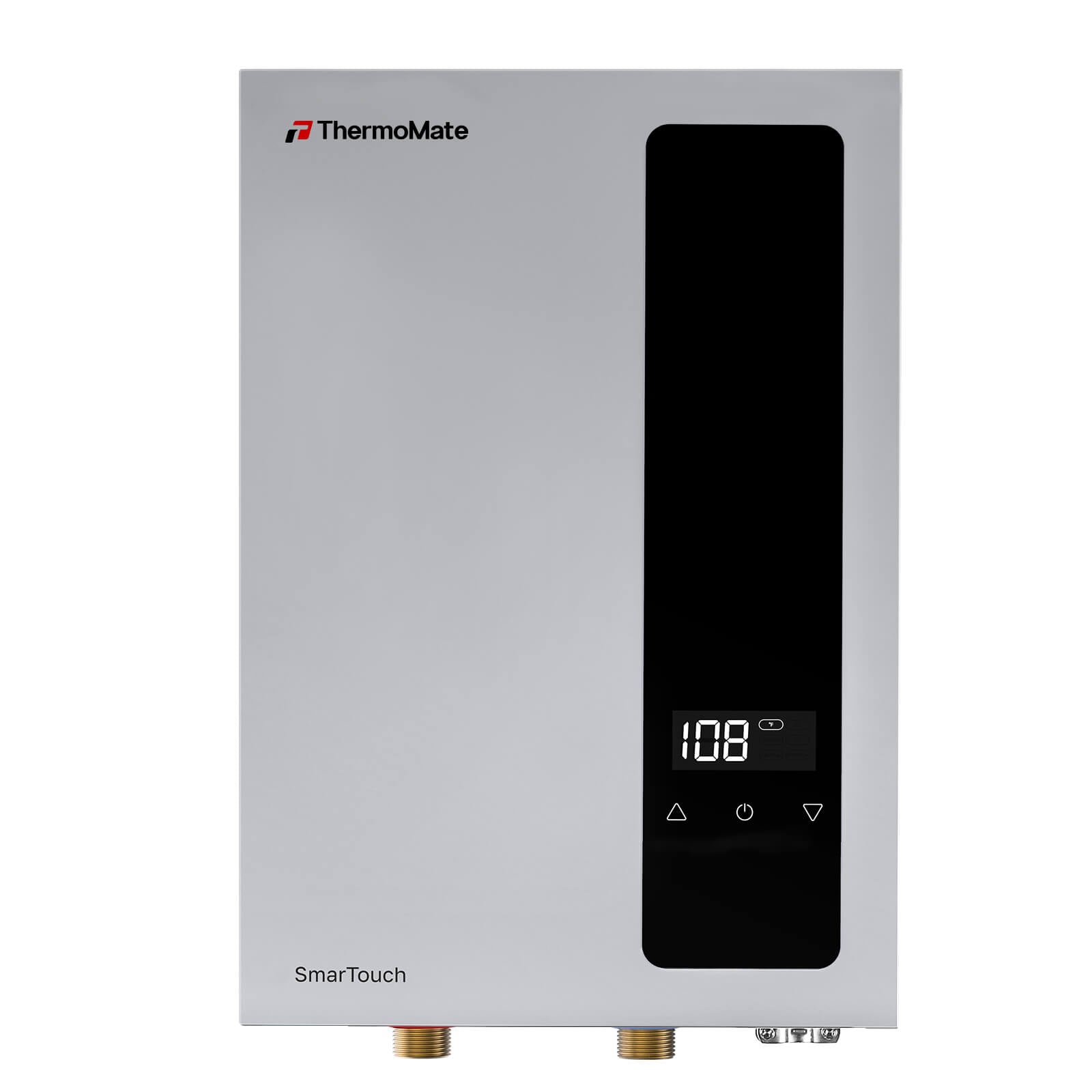
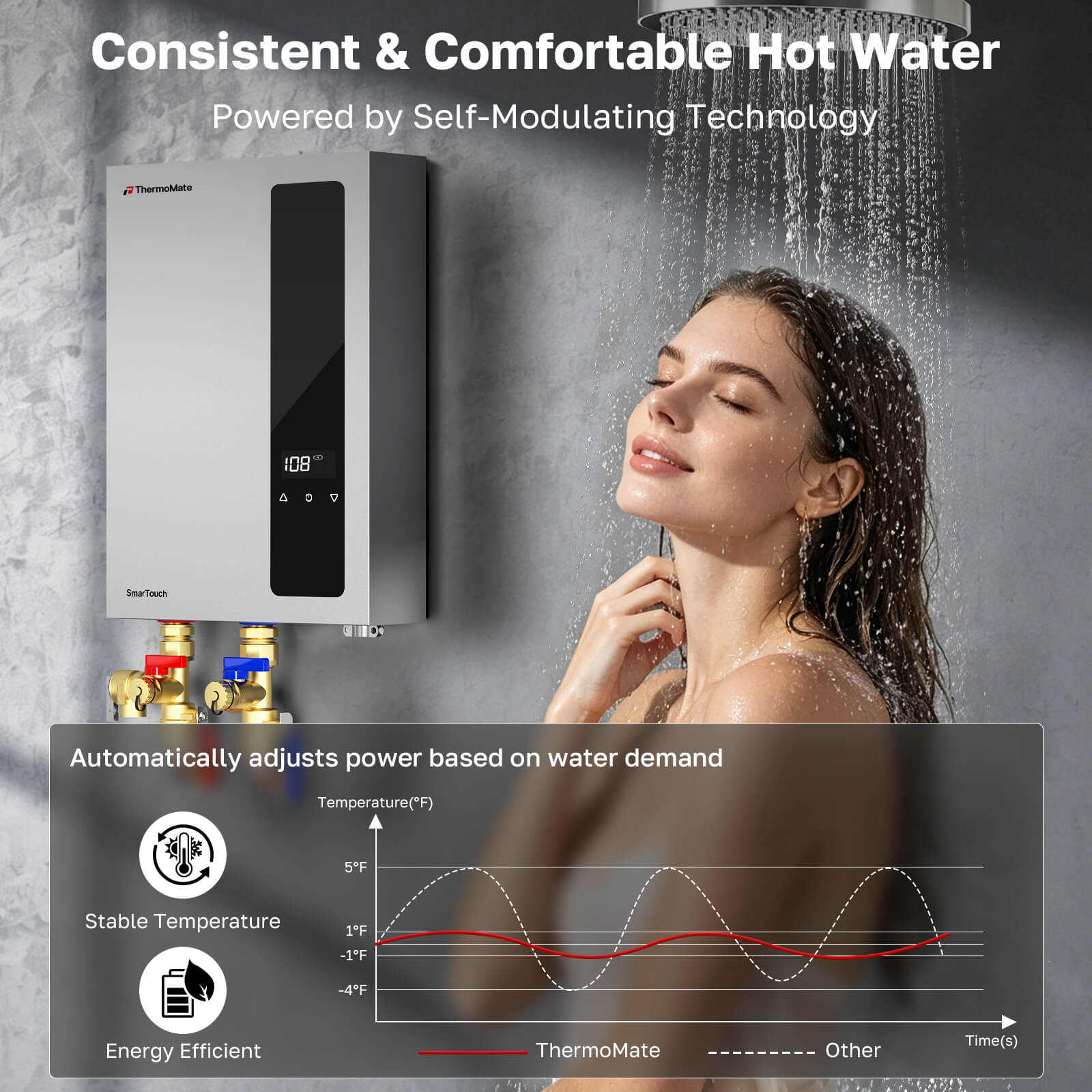
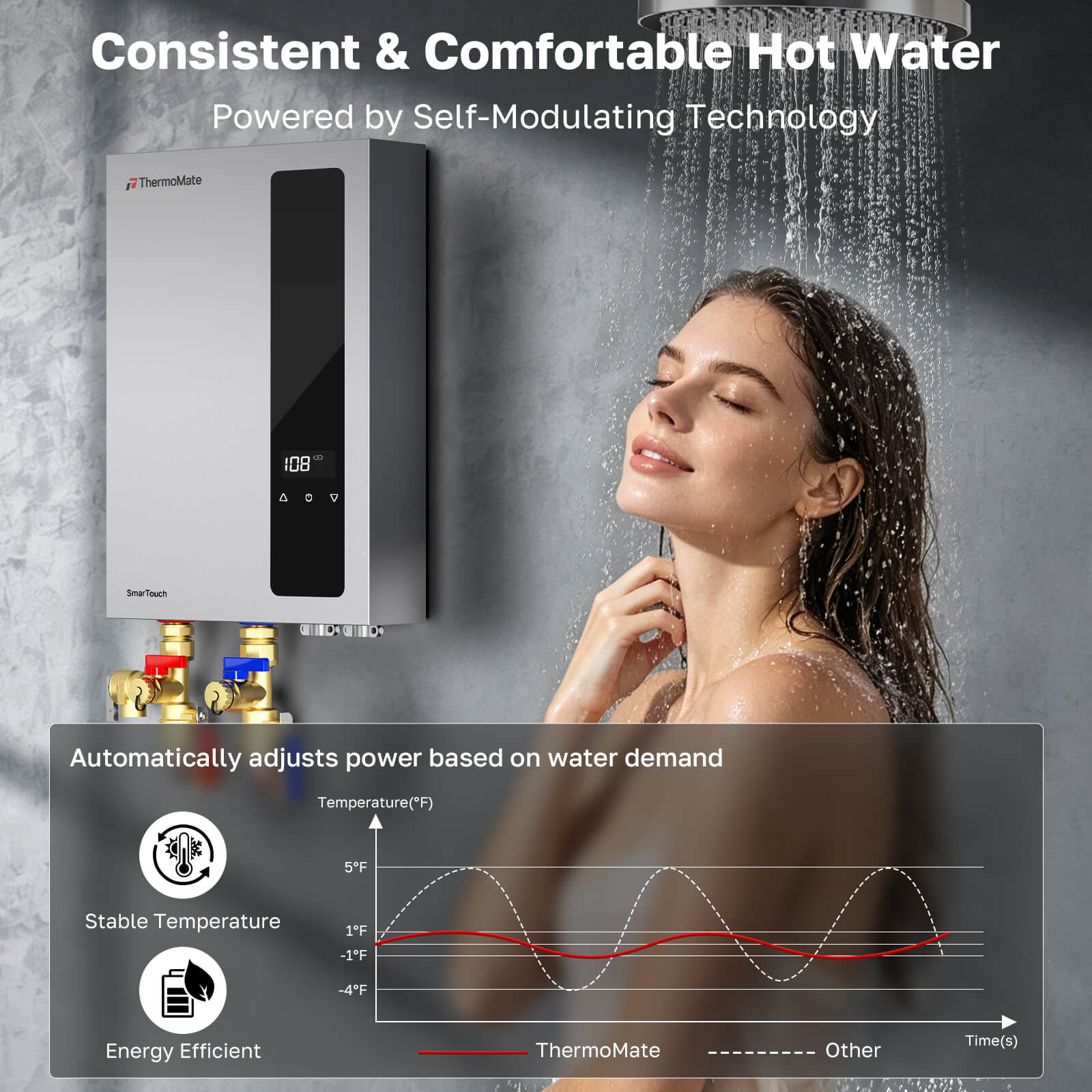
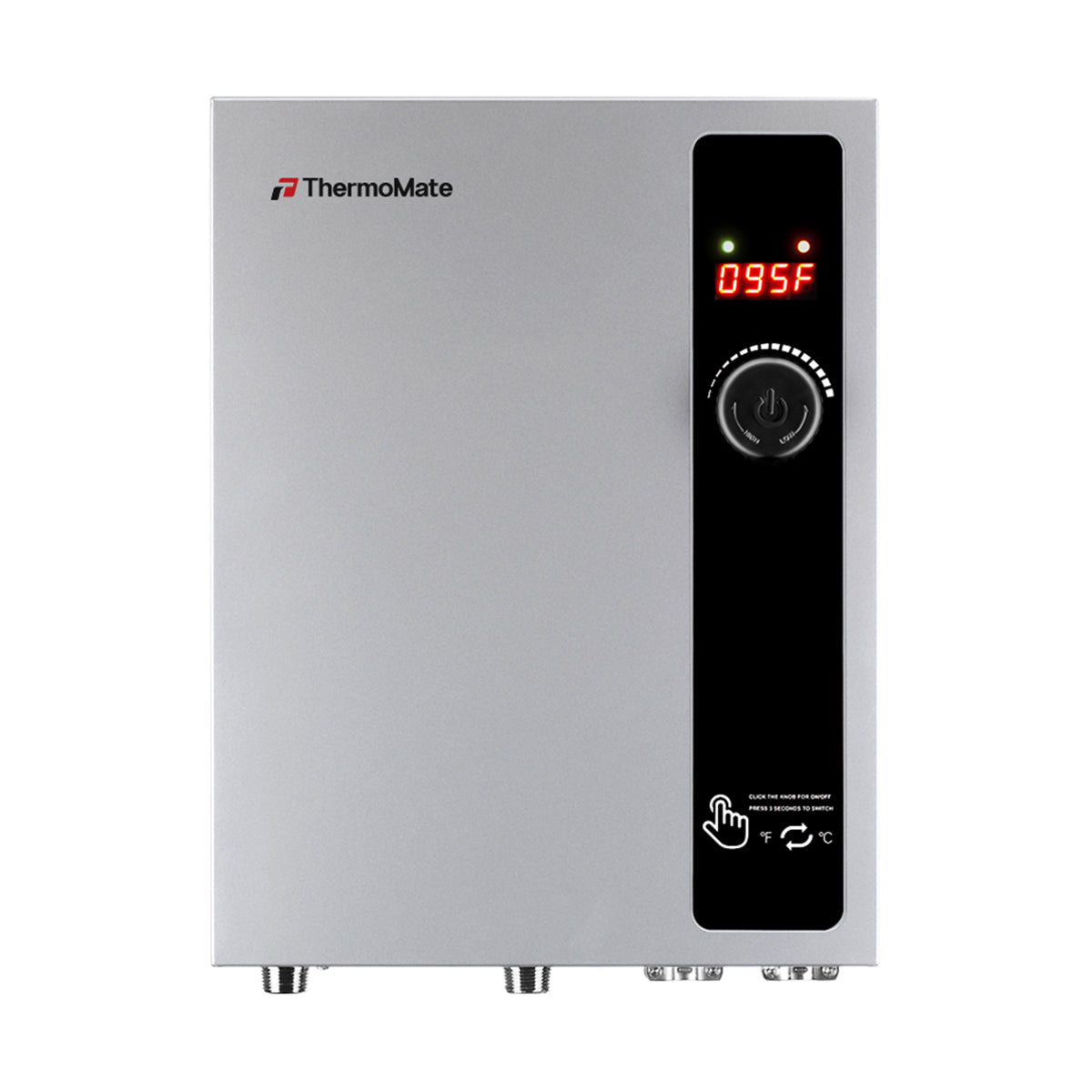
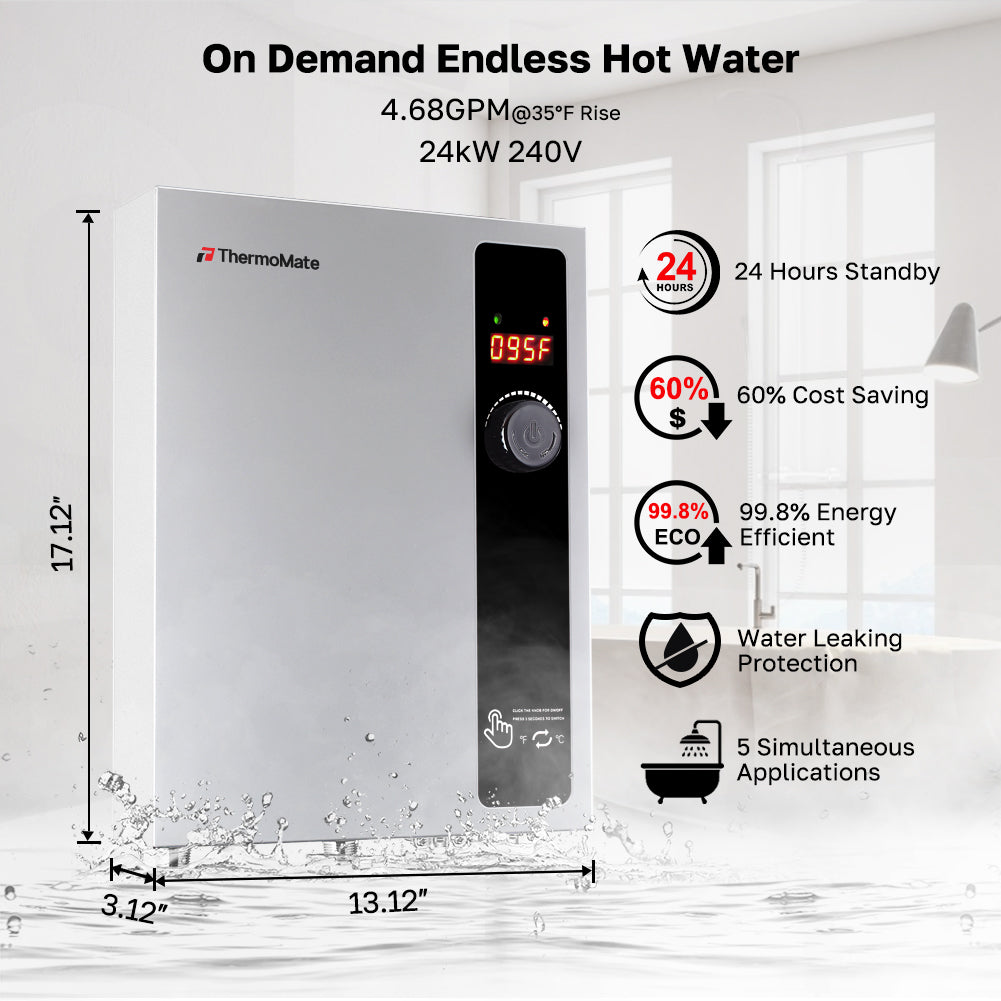
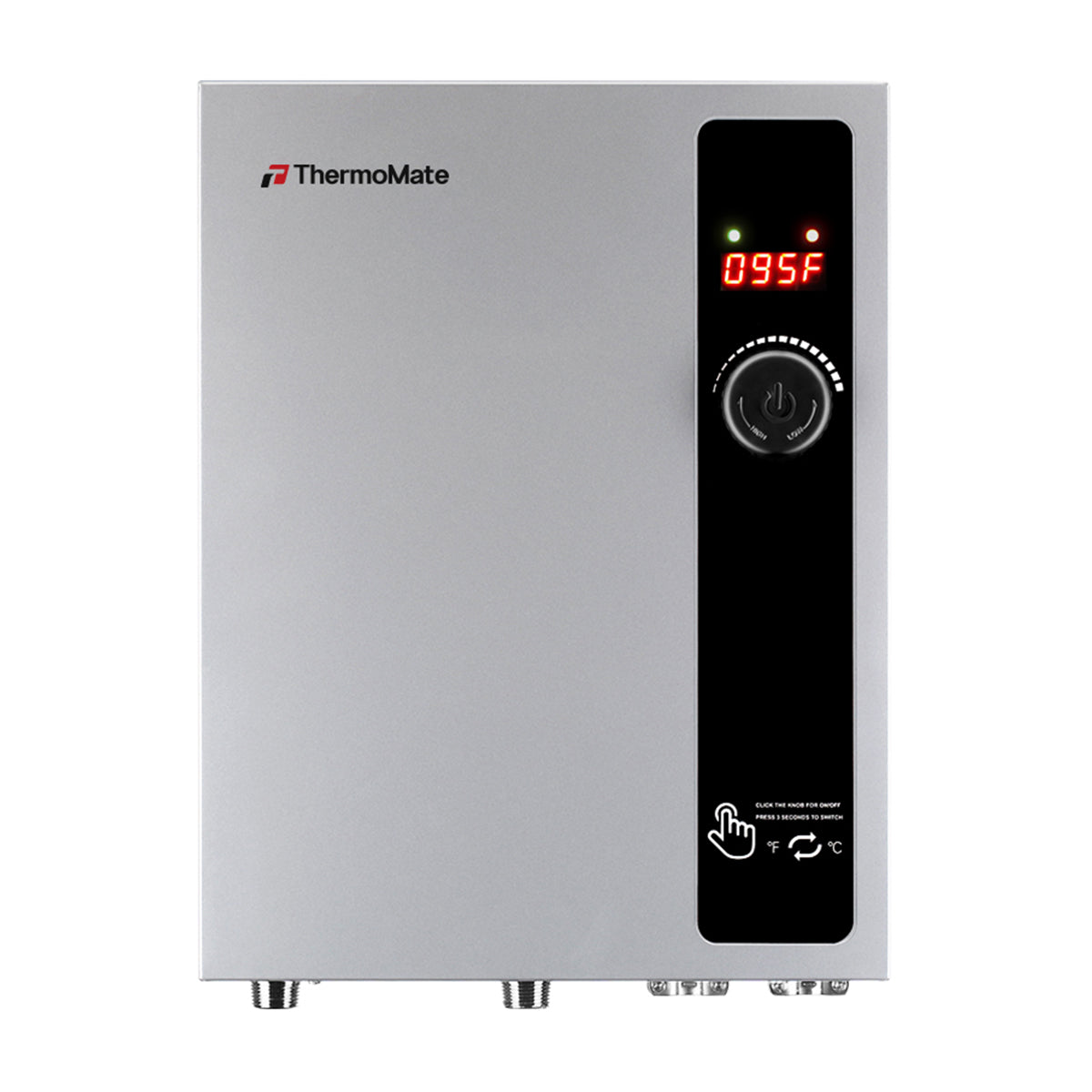
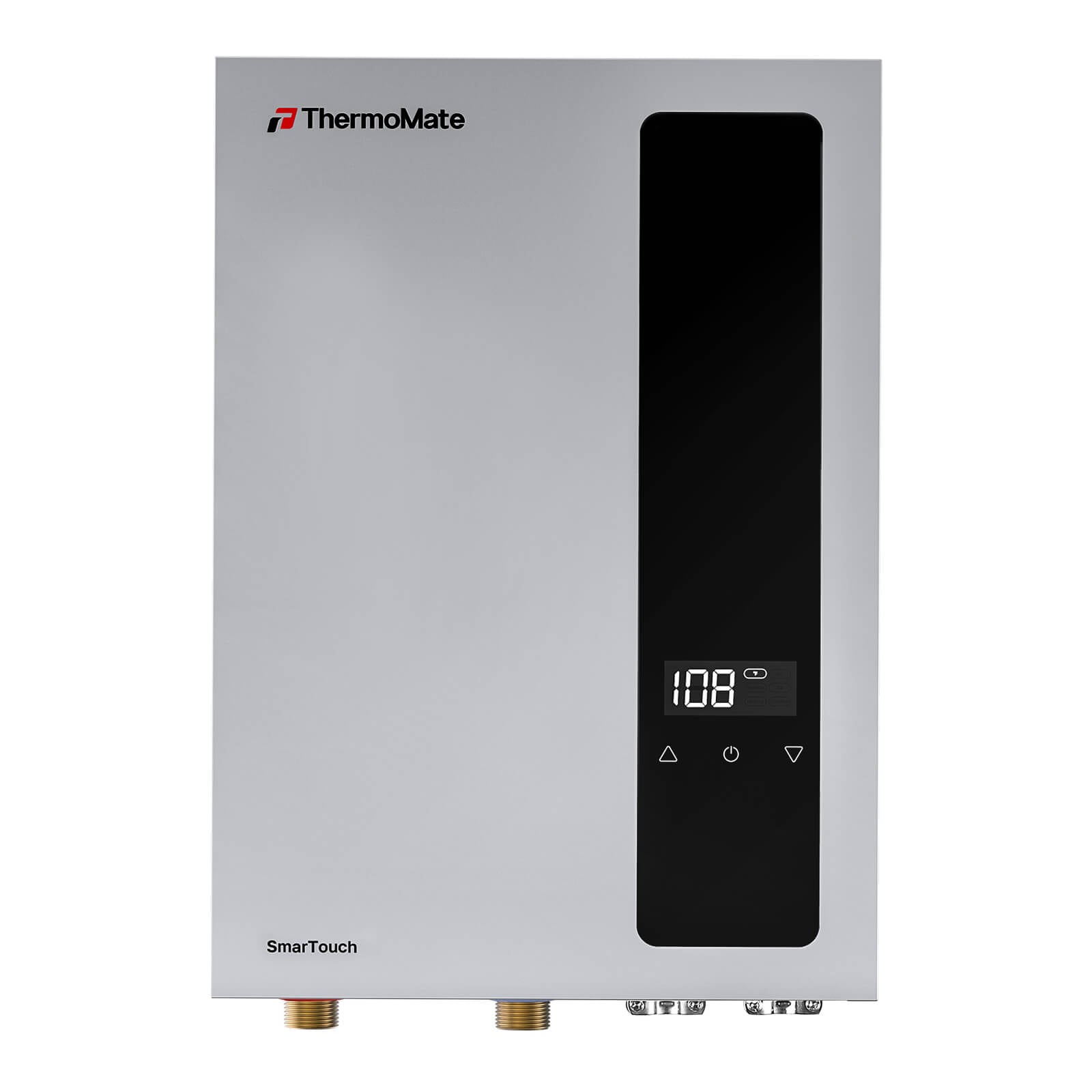
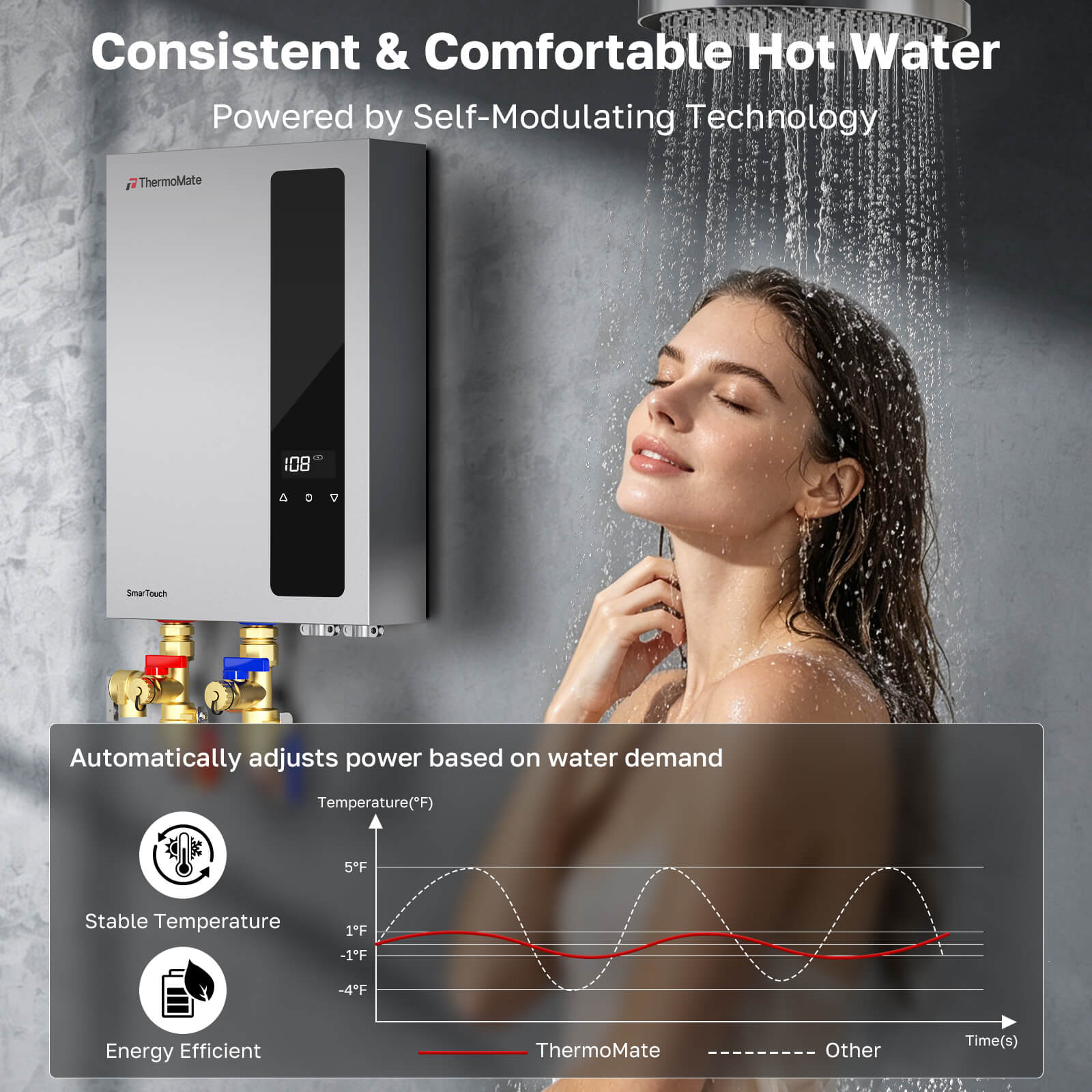
Unlike traditional systems, tankless water heaters heat water only when you need it.
An electric tankless unit:
- Turns on instantly when hot water is requested
- Does not store water
- Eliminates standby energy loss
- Provides continuous hot water (within capacity limits)
- Typically lasts 15–20 years
This on-demand heating is where the real savings begin.
2026 Real Cost Comparison: Tank vs. Tankless
Let’s break down the numbers for a typical U.S. household.
1. Upfront Installation Cost (Average U.S.)
| Type | Equipment Cost | Installed Cost |
|---|---|---|
| Tank Water Heater | $500–$1,200 | $1,200–$2,500 |
| Electric Tankless | $400–$1,500 | $1,500–$3,500 |
Electric tankless units usually cost more to install due to electrical upgrades in some homes.
However, installation costs vary depending on breaker capacity and wiring.
2. Annual Energy Costs
According to efficiency data from the U.S. Department of Energy:
- Tank water heaters: ~0.58–0.60 Energy Factor
- Electric tankless: 0.95+ efficiency
Average annual operating cost in the U.S.:
- Tank heater: $450–$600 per year
- Electric tankless: $250–$400 per year
Estimated annual savings: $150–$300
3. Lifespan & Replacement Cost
- Tank heater: 8–12 years
- Tankless heater: 15–20 years
Over 20 years, most homeowners replace a tank system twice, while a tankless system may only need one installation.
That means:
- Two tank heaters + labor
- Higher cumulative maintenance
- More downtime risk
10-Year Real Cost Example
Let’s assume:
- Tank system total installed cost: $2,000
- Tankless system total installed cost: $3,000
- Energy savings: $200 per year
Tank System (10 Years):
- $2,000 installation
- ~$5,000 energy cost
= ~$7,000 total
Tankless System (10 Years):
- $3,000 installation
- ~$3,000 energy cost
= ~$6,000 total
Even within 10 years, tankless systems often come out ahead.
At 15–20 years, savings increase significantly.
Other Financial Benefits in 2026
1. Rising Energy Prices
As electricity and gas rates continue to fluctuate, energy-efficient systems provide better protection against future increases.
2. Increased Home Value
Energy-efficient upgrades are increasingly attractive to buyers.
Homes with modern on-demand systems are seen as:
- Updated
- Efficient
- Lower-maintenance
When Tankless May Not Be Worth It
Tankless systems may not be ideal if:
- Your home has limited electrical capacity
- You require very high simultaneous hot water usage
- Installation upgrade costs are extremely high
Sizing correctly is essential.
For example:
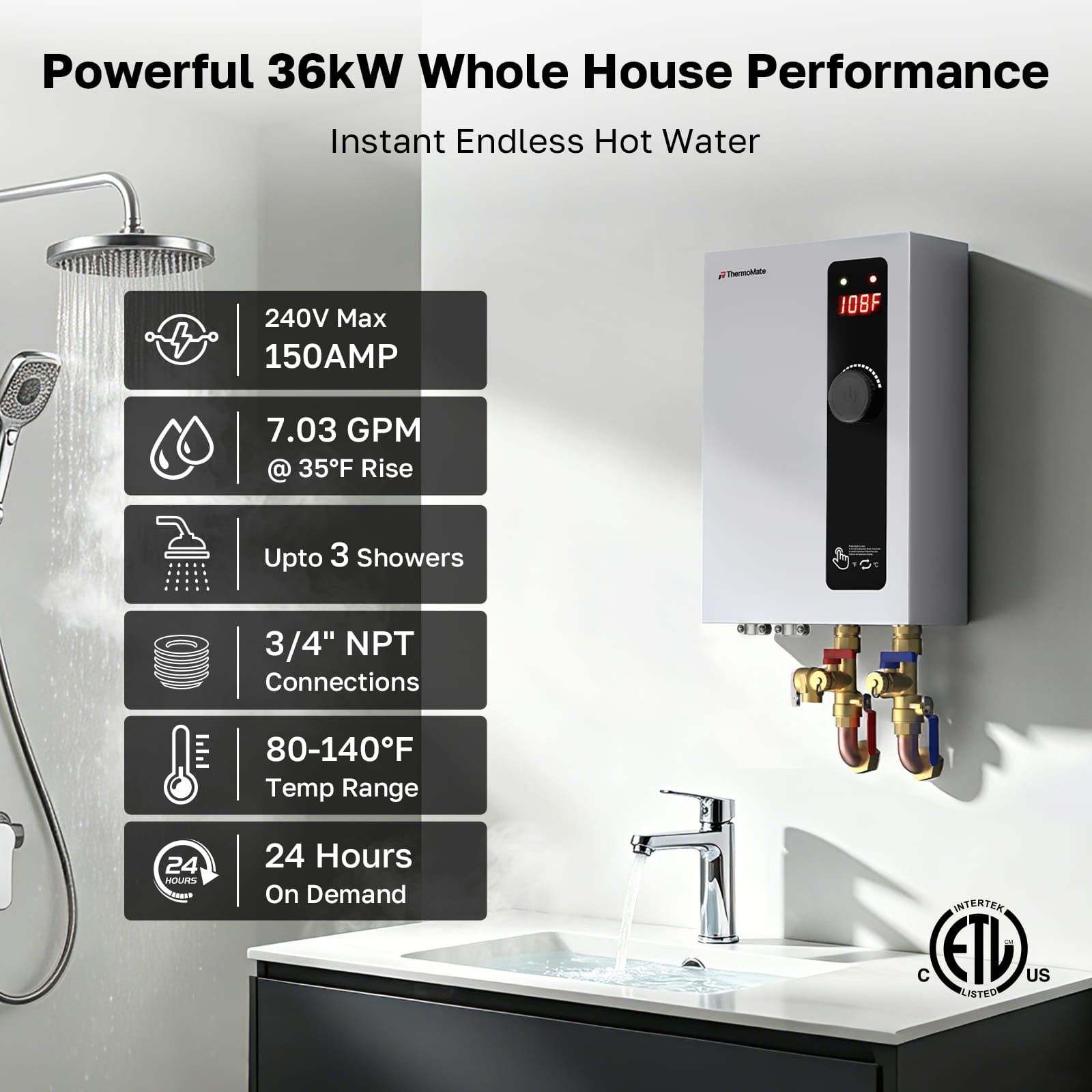
- Small apartments or point-of-use → 6kW–11kW
- 1–2 bathrooms → 11kW–18kW
- Whole house → 18kW–27kW (depending on climate & flow rate)
Choosing the right capacity ensures optimal savings.
Electric vs. Gas Tankless in 2026
Many homeowners compare electric tankless to gas tankless options.
Electric systems offer:
- Lower maintenance
- No venting required
- Easier installation
- Zero combustion emissions indoors
Gas systems may deliver higher flow rates but come with venting and maintenance considerations.
Are Tankless Water Heaters Worth It in 2026?
For most U.S. homeowners:
✔ Yes — if you plan to stay in your home long-term
✔ Yes — if you want lower energy bills
✔ Yes — if you value endless hot water
✔ Yes — if you prefer compact, space-saving design
The initial investment is higher, but the long-term savings, efficiency, and lifespan typically make tankless systems a smarter choice in 2026.
Final Thoughts
If you’re upgrading an aging 40-gallon tank system or building a new home, 2026 is an excellent time to switch to an energy-efficient electric tankless water heater.
With rising energy costs and growing demand for sustainable home upgrades, tankless technology continues to gain momentum across North America.
Choosing the right size and installing it properly are the keys to maximizing savings.