Planning a Spring Renovation? Don’t Forget Your Water Heater Upgrade
Spring is one of the most popular seasons for home renovations across North America. As homeowners refresh kitchens, upgrade bathrooms, and improve energy efficiency, one essential system is often overlooked—the water heater.
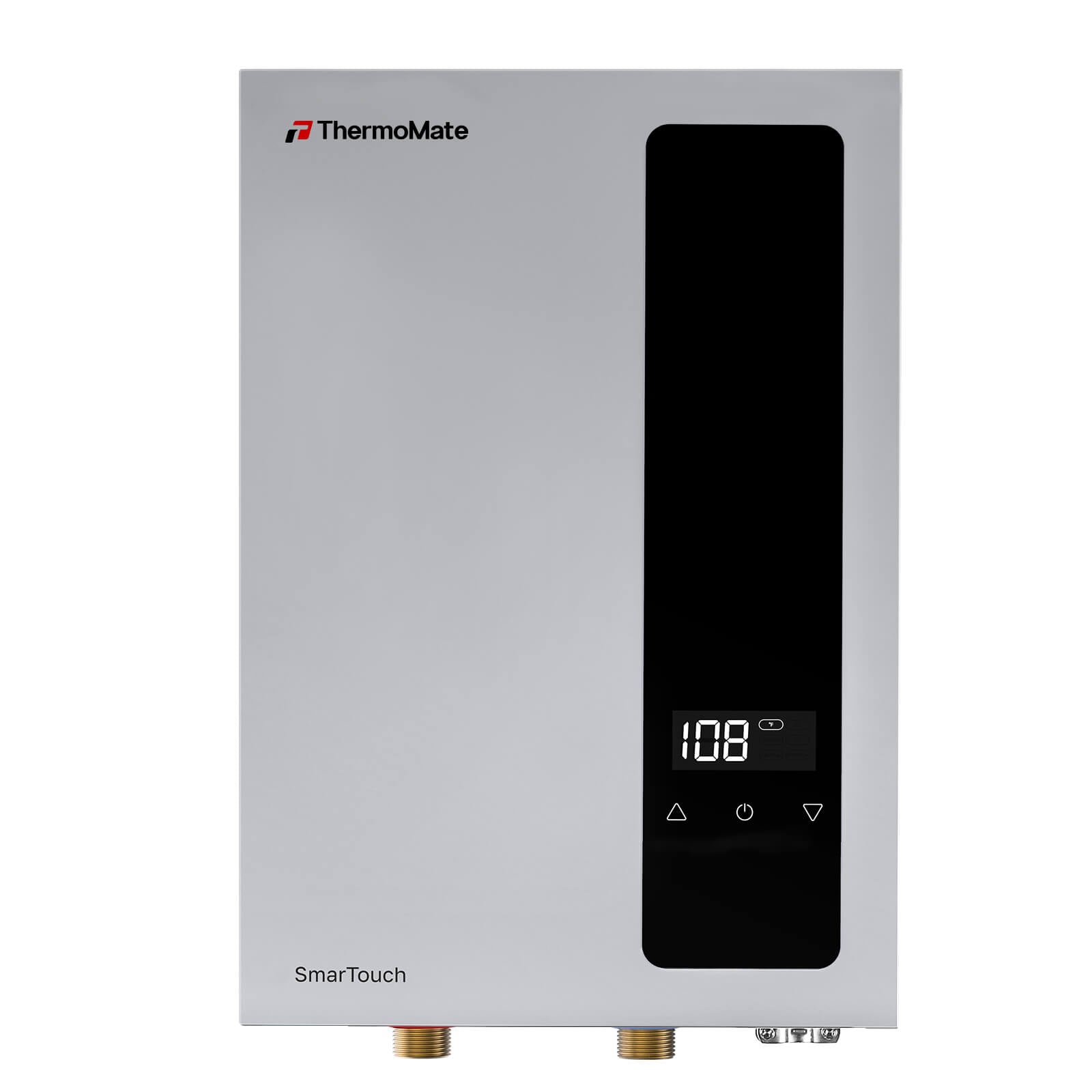
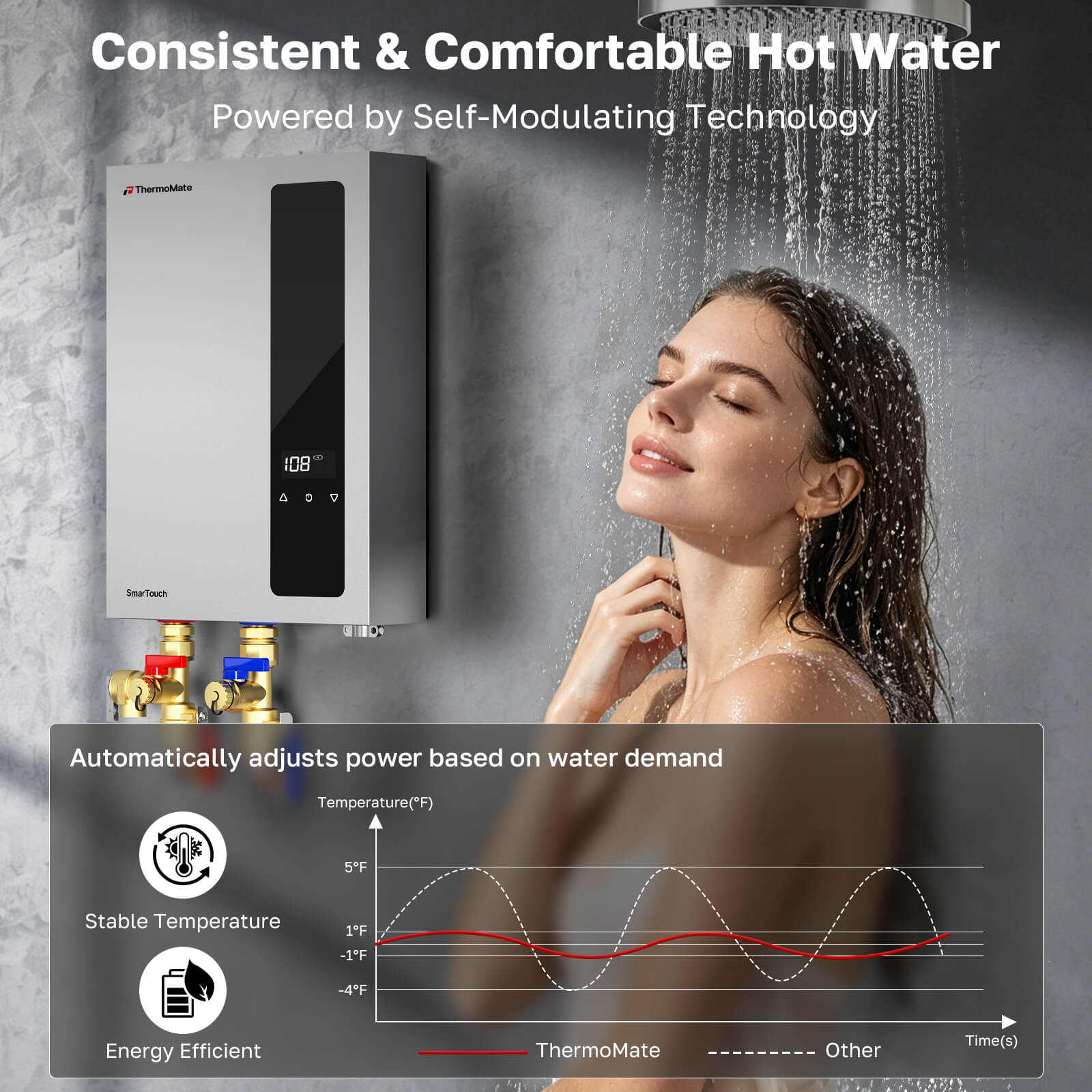
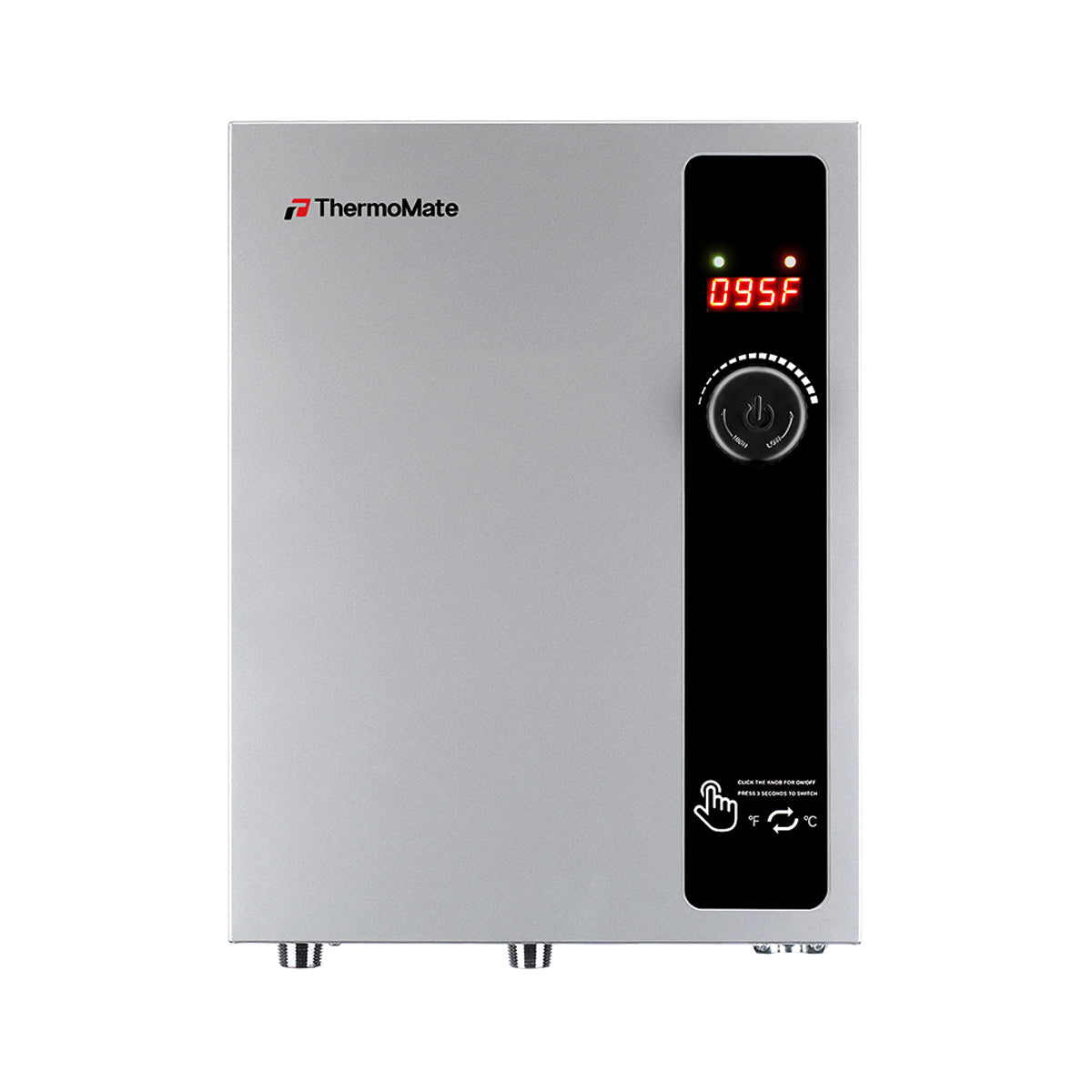
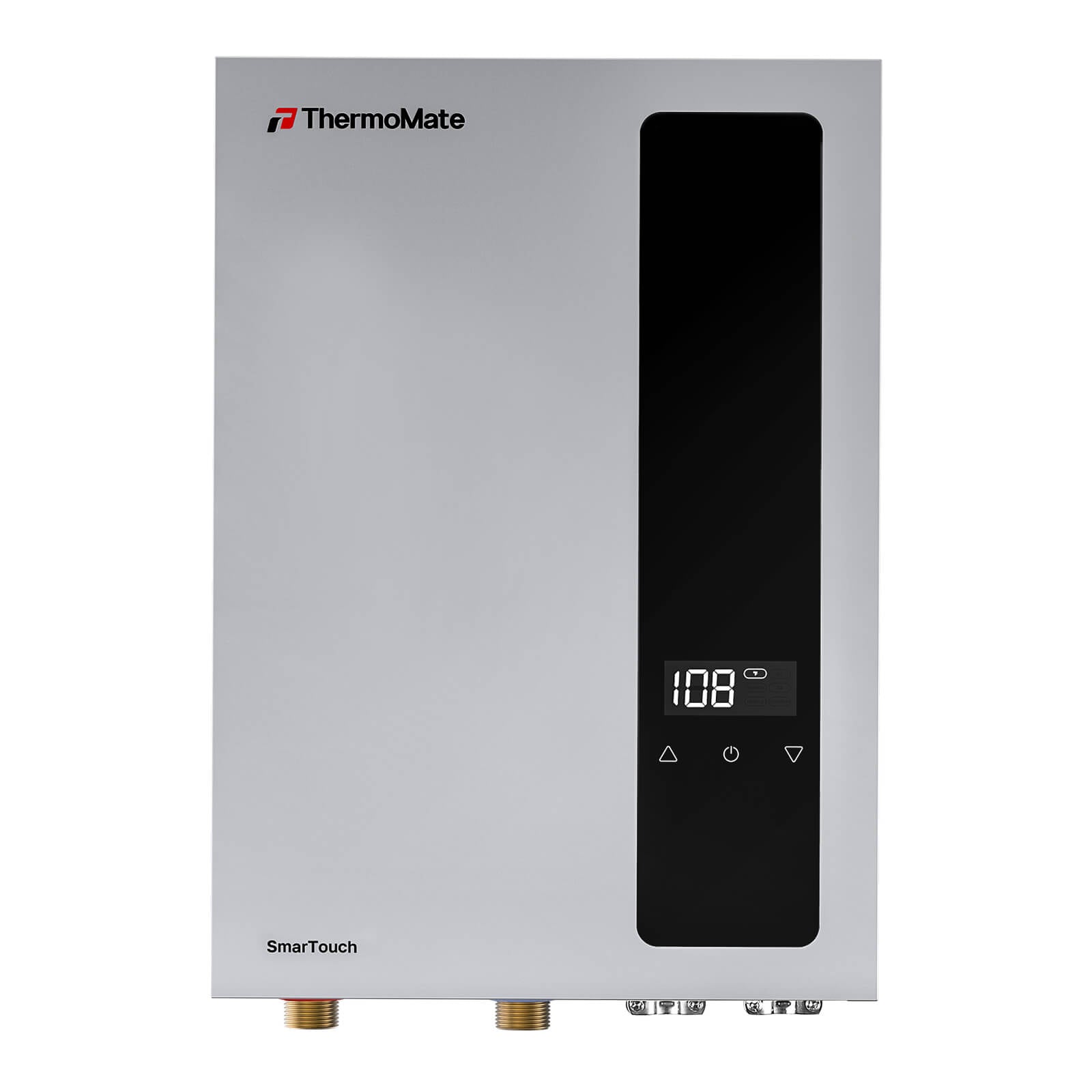
If you're planning a spring renovation, upgrading your water heater—especially to a modern electric tankless system—can significantly improve comfort, efficiency, and long-term savings.
Why Spring Is the Best Time to Upgrade Your Water Heater
Spring offers the perfect conditions for home improvement projects. With milder weather and better contractor availability compared to peak summer months, it’s an ideal time to tackle upgrades that may have been delayed during winter.
Many homeowners also notice water heater issues during colder months—such as inconsistent hot water, higher energy bills, or limited supply. Addressing these problems in spring ensures your home is fully prepared for increased hot water demand in summer and beyond.
Upgrading now also helps avoid emergency replacements later, which can be more expensive and inconvenient.
Signs Your Water Heater Needs an Upgrade
Not sure if it’s time to replace your current unit? Here are some common warning signs:
- Inconsistent water temperature – Fluctuating hot water is a clear sign of inefficiency
- Insufficient hot water supply – Running out during showers or while using multiple fixtures
- Rising energy bills – Older systems consume more power to maintain performance
- Age of the unit – Most traditional tank water heaters last around 8–12 years
- Bulky design – Tank systems take up valuable space in your home
If you’re experiencing any of these issues, upgrading your water heater during your renovation can solve them all at once.
Tank vs. Tankless Water Heater: What’s Better for Modern Homes?

When upgrading, homeowners often compare traditional tank water heaters with newer tankless systems.
Tank Water Heaters:
- Lower upfront cost
- Store a limited amount of hot water
- Continuously consume energy to keep water hot
- Larger footprint
Tankless Water Heaters:
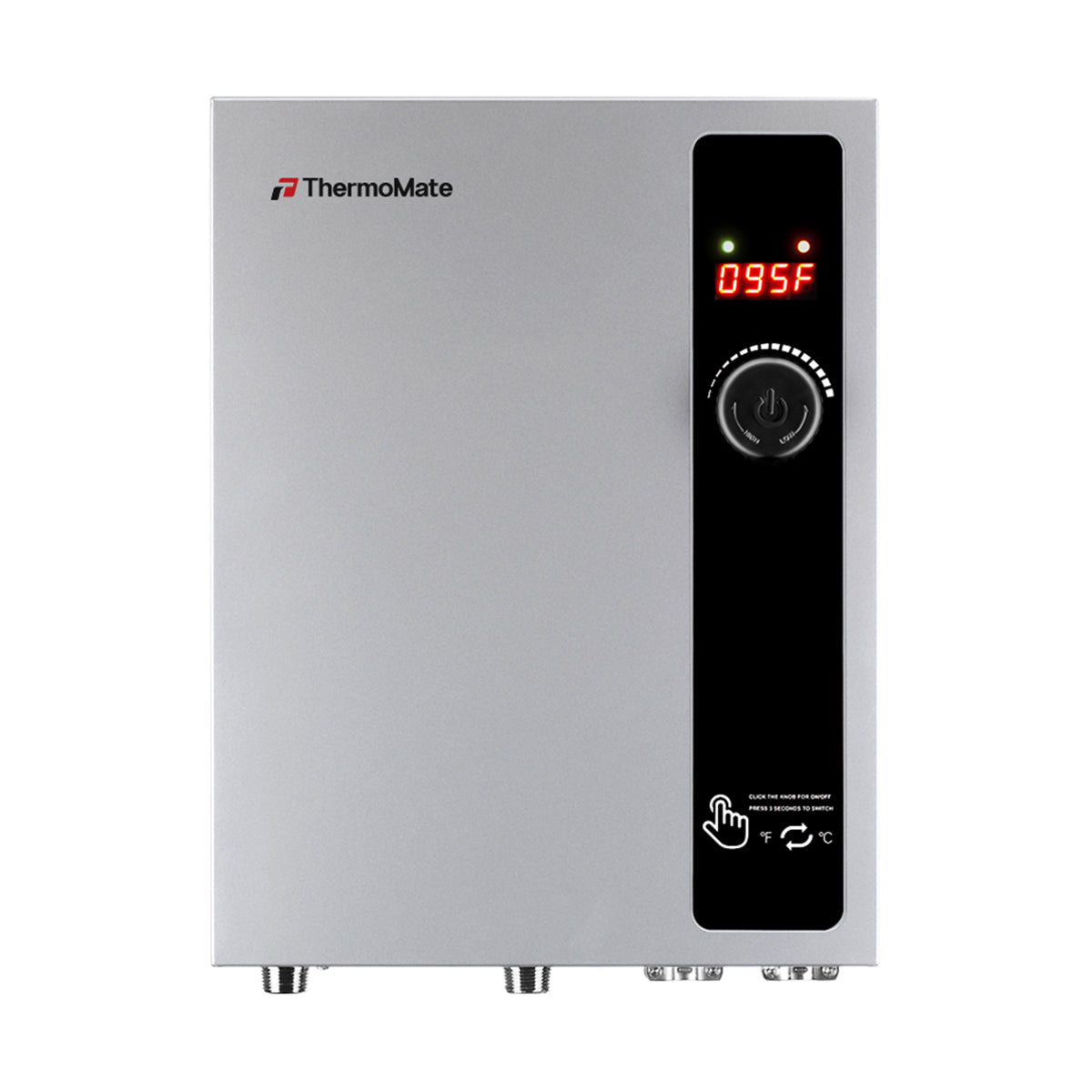
- Heat water on demand
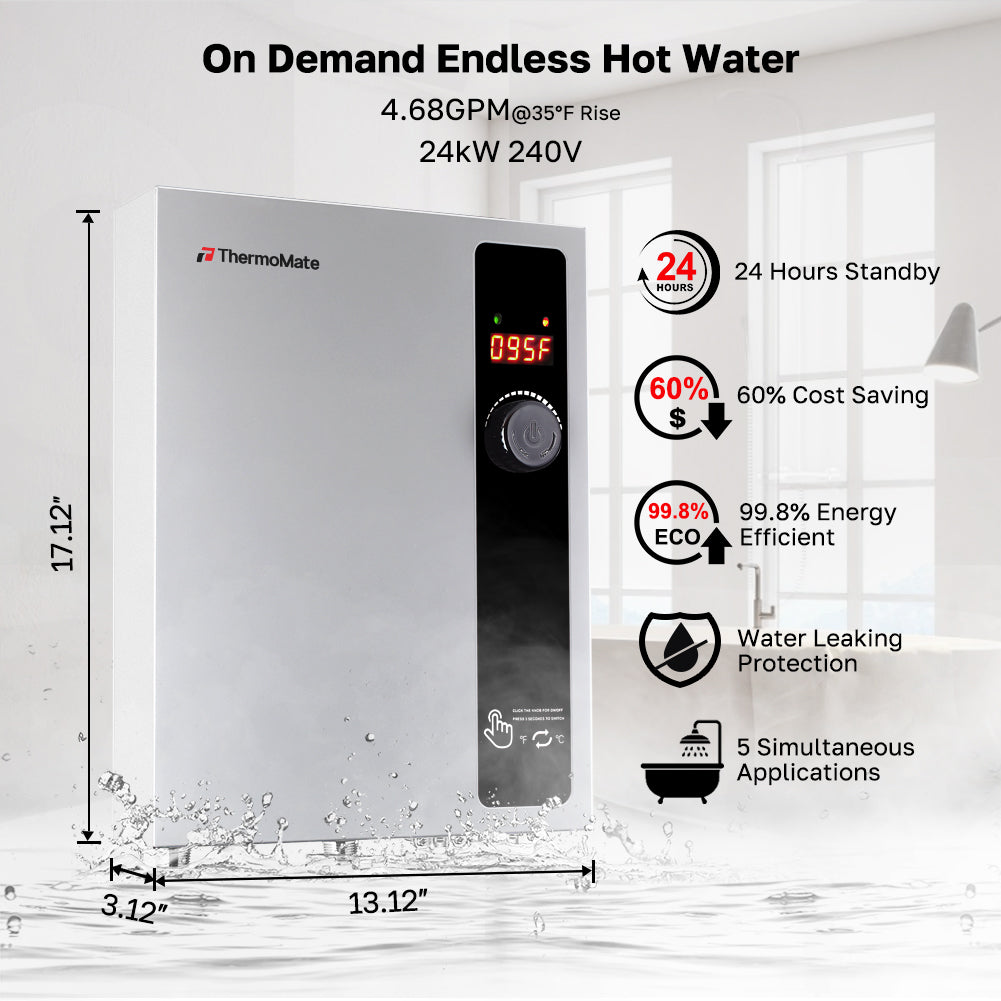
- Provide virtually endless hot water
- More energy-efficient (no standby heat loss)
- Compact, space-saving design
As energy efficiency and space optimization become priorities in modern homes, more North American homeowners are making the switch to tankless electric water heaters.
Why Homeowners Are Switching to Electric Tankless Water Heaters
Electric tankless water heaters are quickly becoming a top choice for renovations—and for good reason.
Endless Hot Water
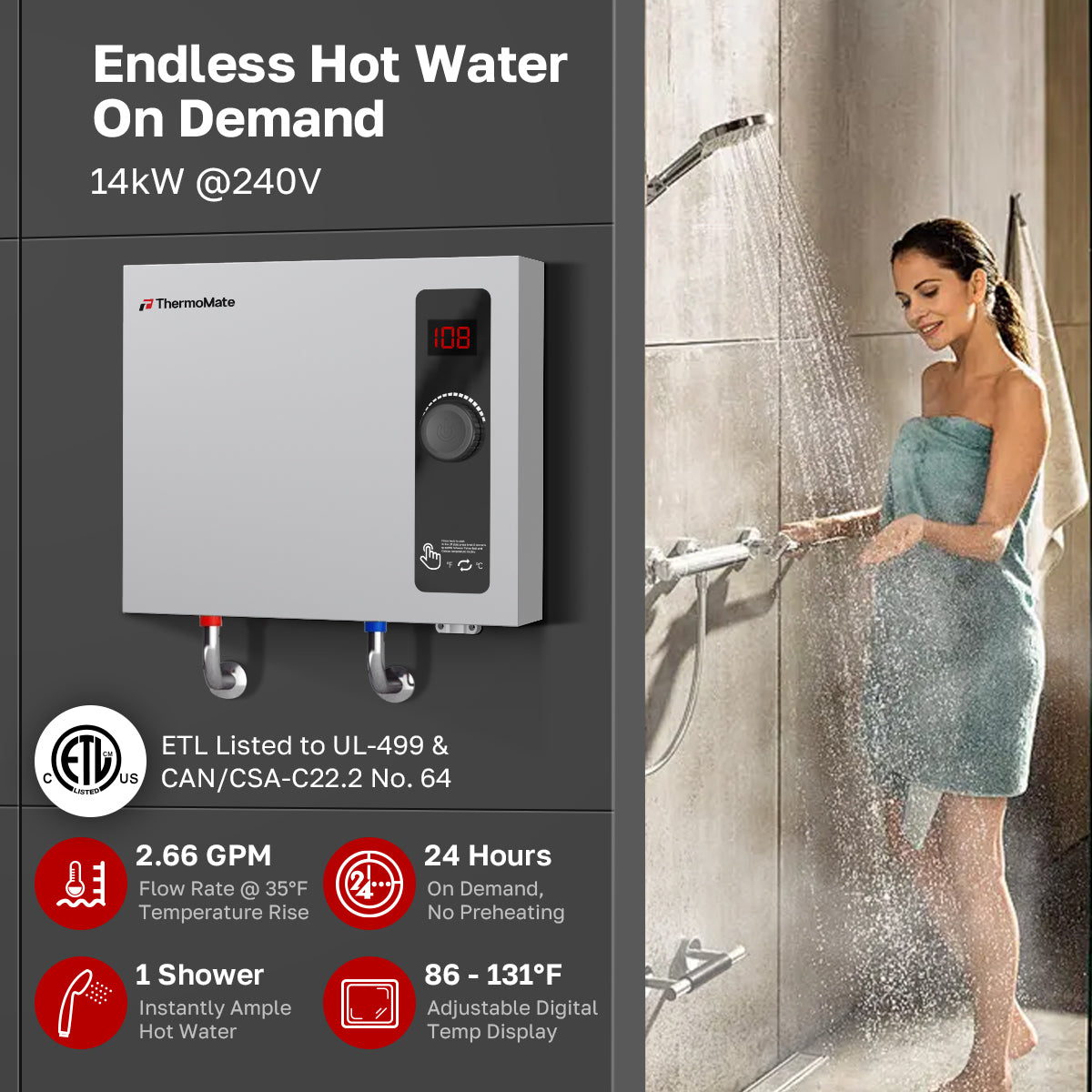
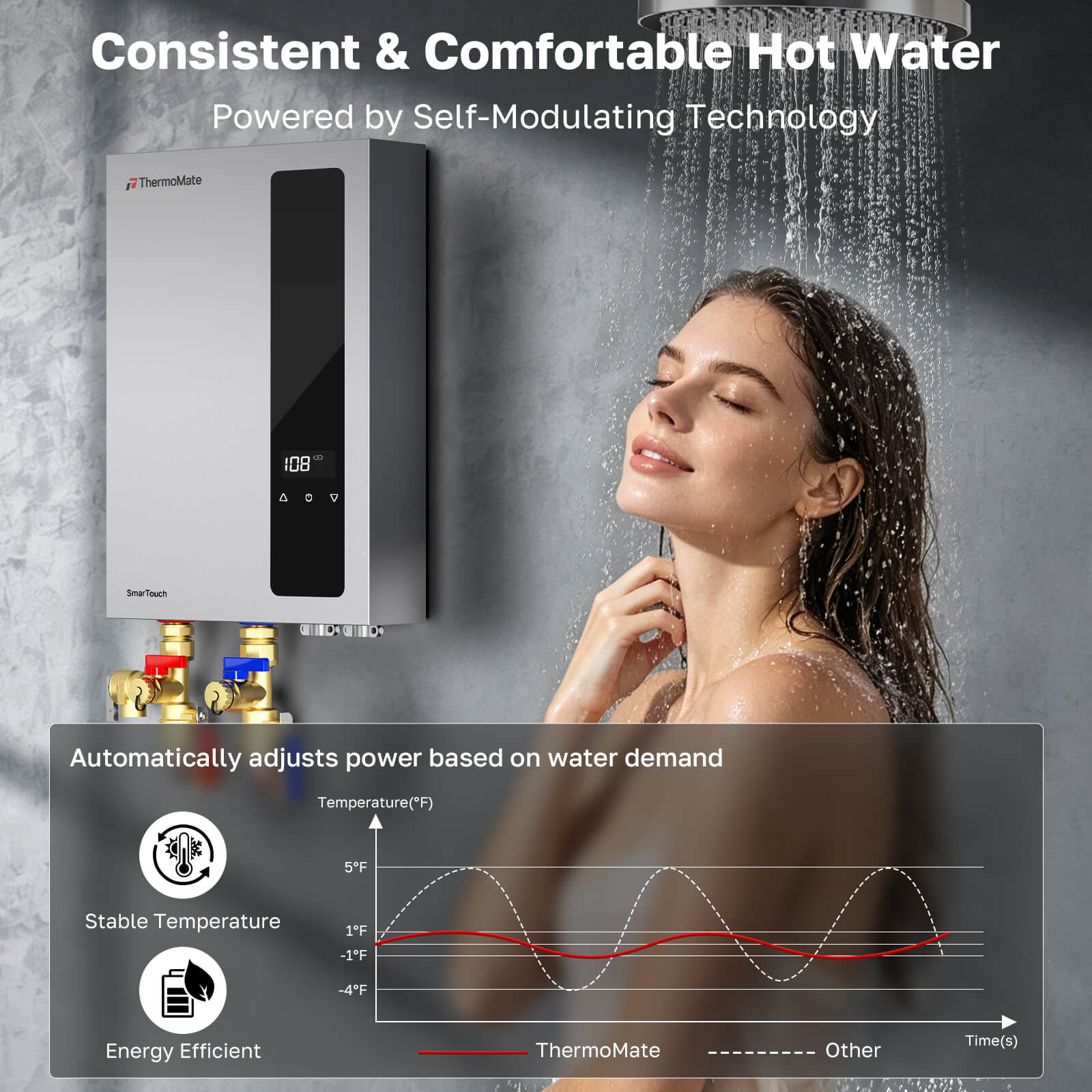
Unlike traditional tanks, tankless systems heat water only when needed. This means you can run multiple showers or appliances without worrying about running out.
Energy Efficiency
By eliminating standby heat loss, electric tankless units use energy more efficiently, helping reduce monthly utility bills.
Space-Saving Design
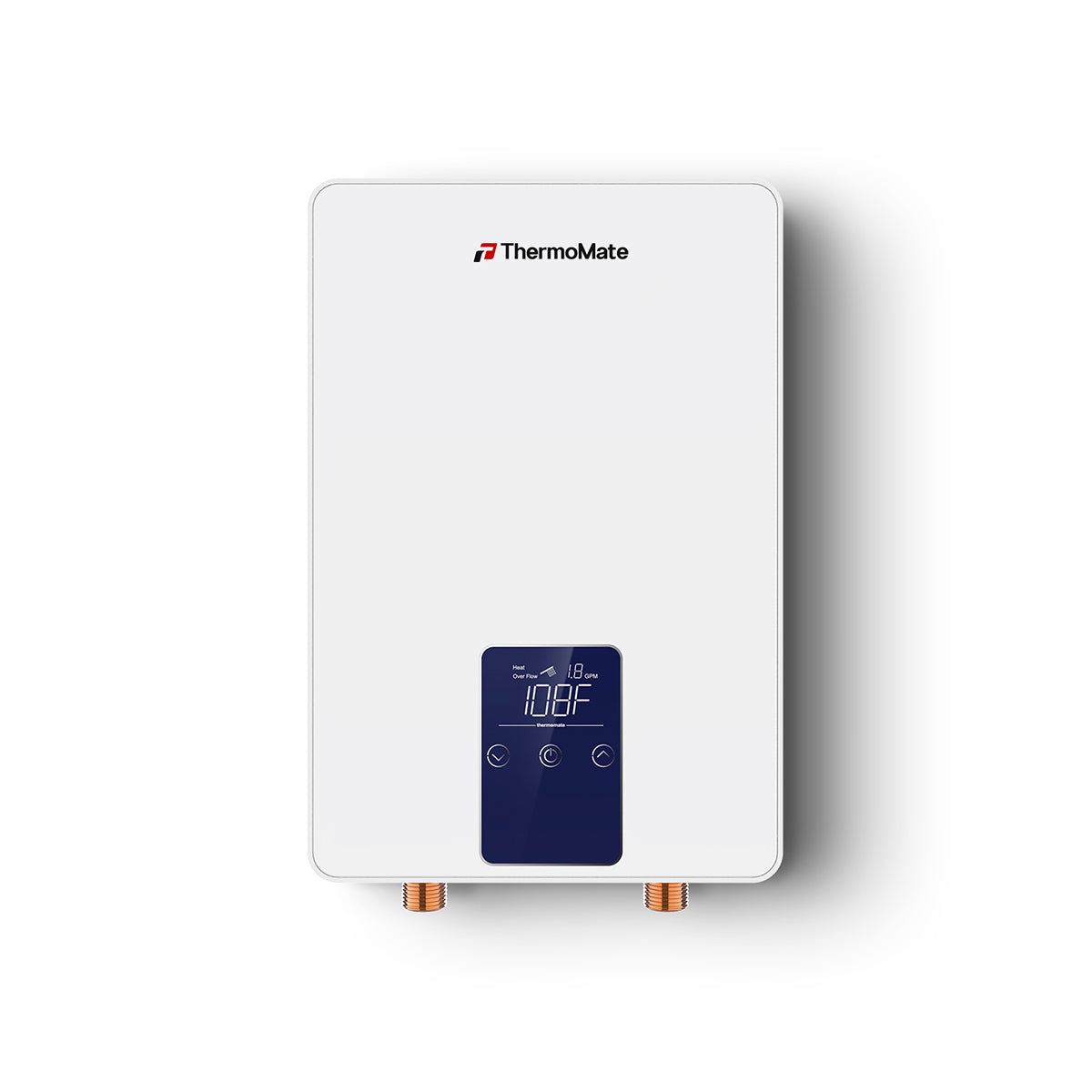
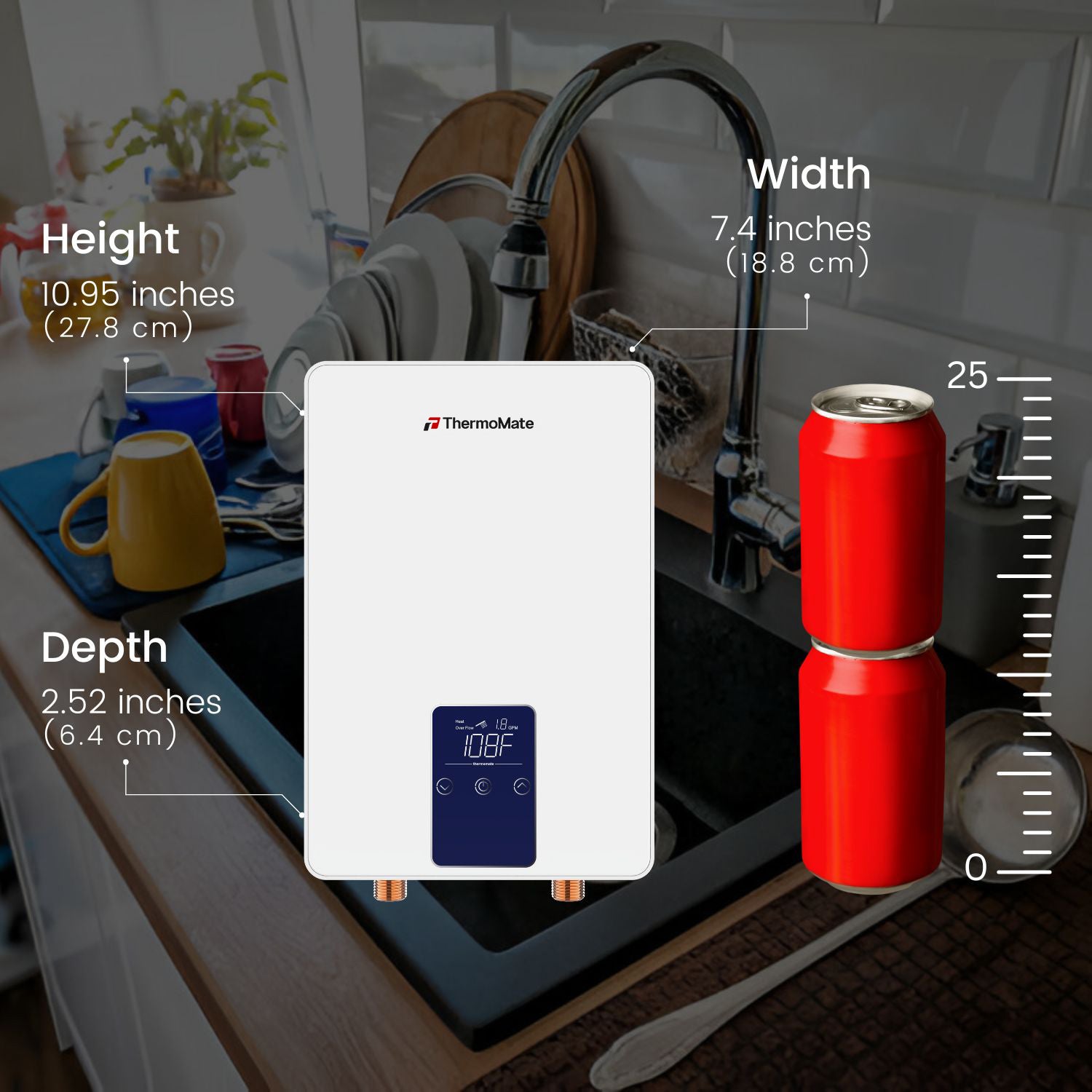
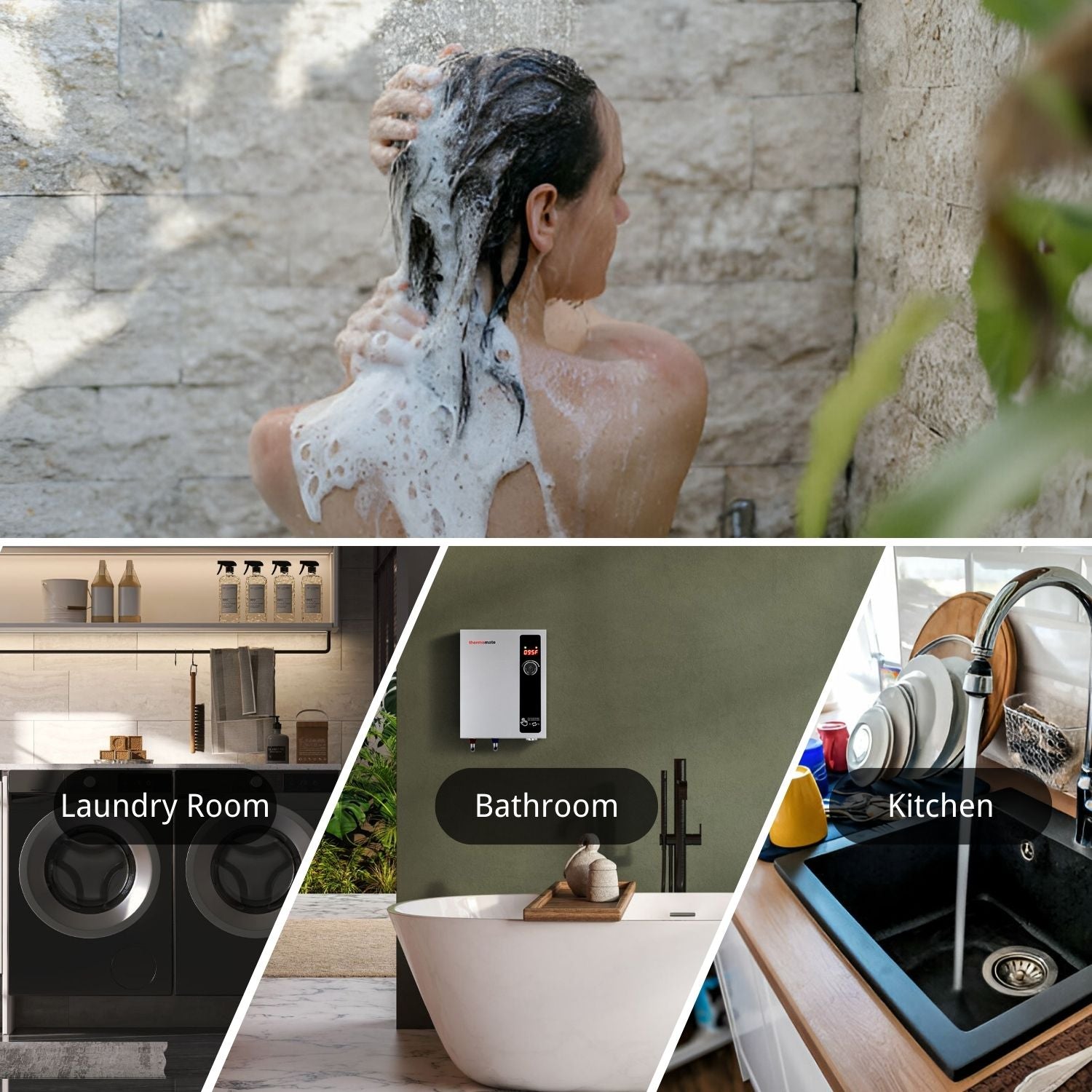
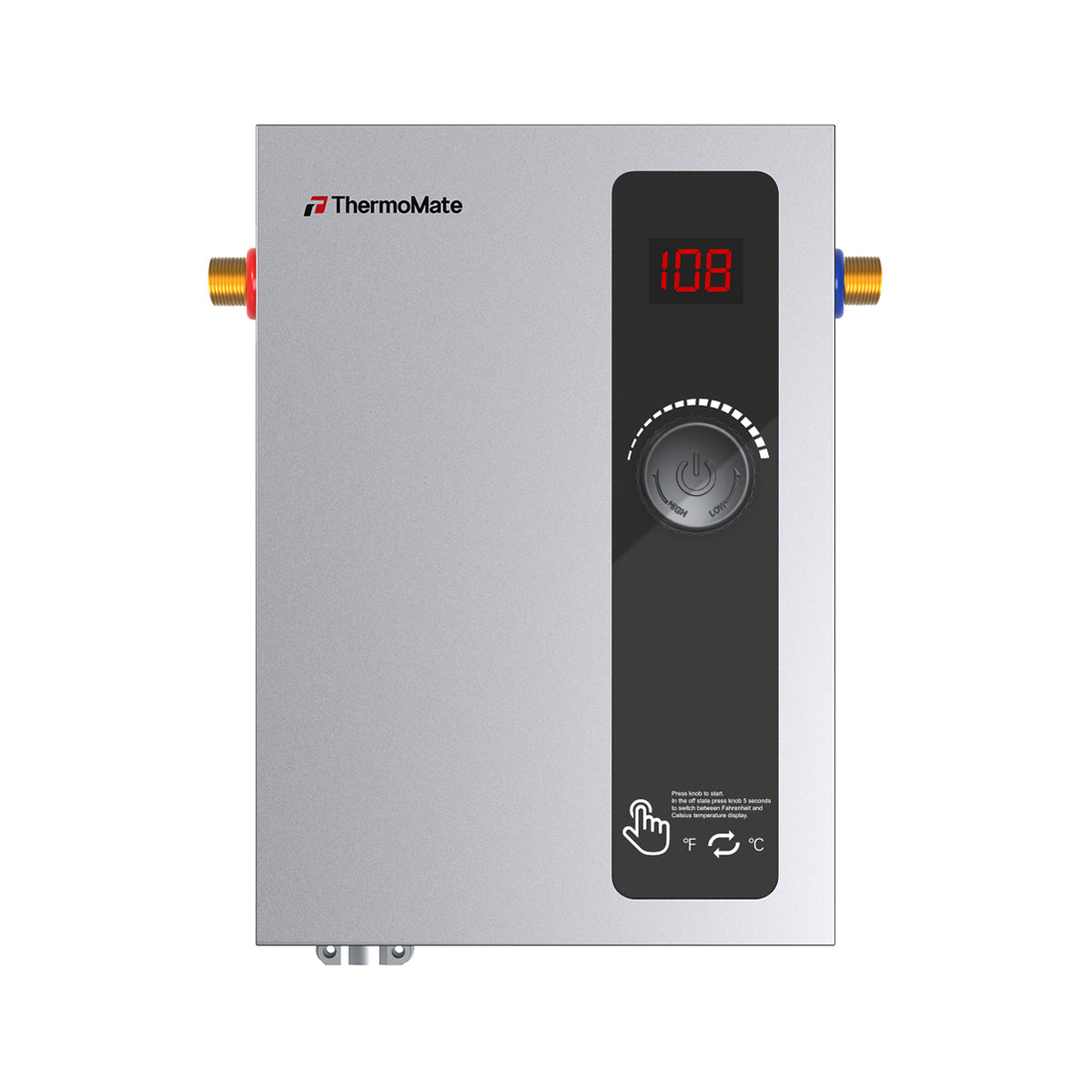
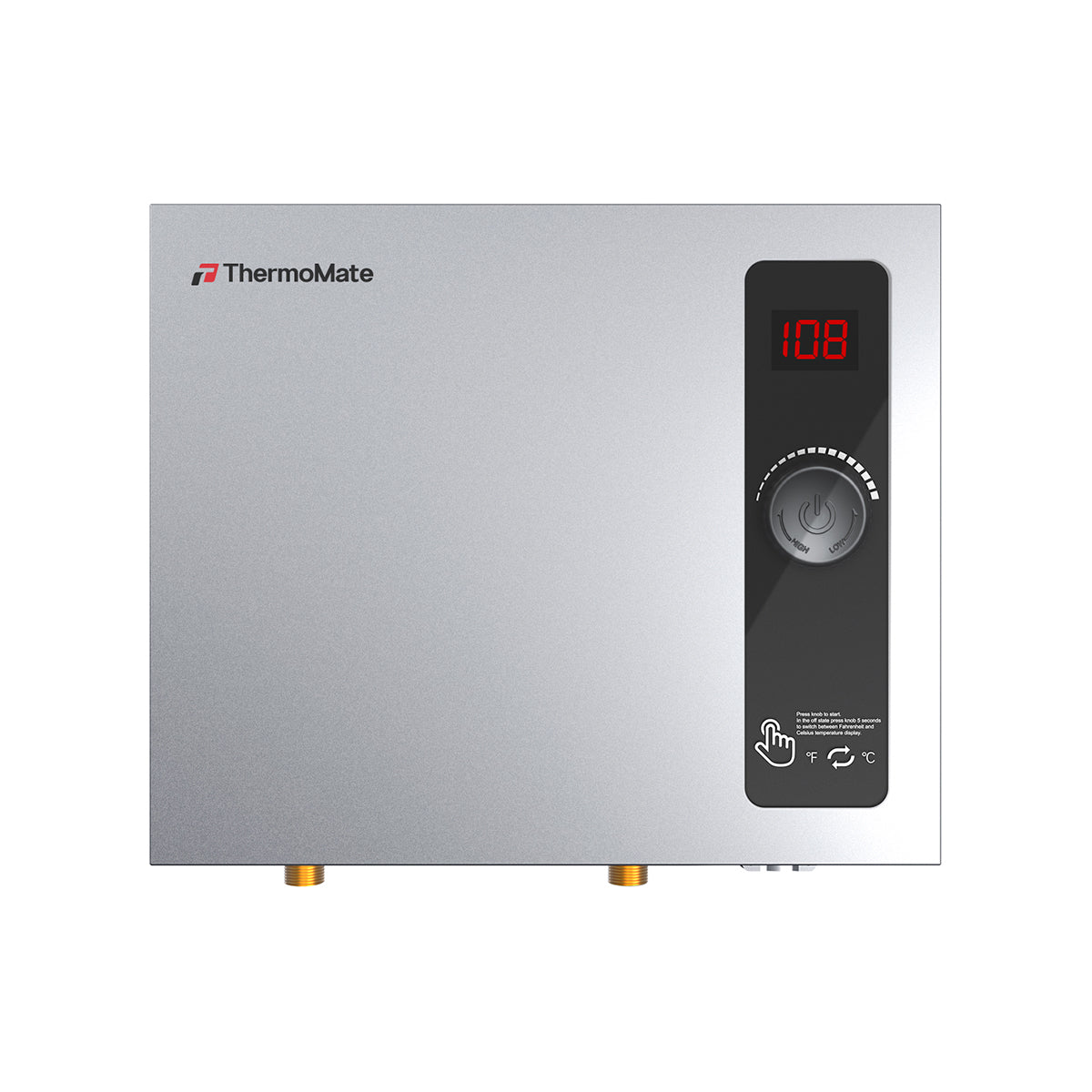
Their compact size allows for flexible installation—whether mounted on a wall, under a sink, or in tight utility spaces.
Flexible Installation Options
Electric models don’t require venting, making them easier and more affordable to install compared to gas systems.
Scalable for Any Home Size
From small apartments to large households, electric tankless systems can be sized to meet different hot water demands.
Choosing the Right Tankless Water Heater for Your Home

Selecting the right unit depends on your household’s hot water usage and electrical capacity. One key factor to consider is flow rate (GPM – gallons per minute).
Here’s a general guide:
-
Small applications (single sink or point-of-use):
4.5–8kW units -
Medium demand (one shower + sink):
11–14kW units -
Larger households (multiple fixtures):
18–27kW units
For example:
- A standard shower uses about 2.0 GPM
- A kitchen sink uses 1–2 GPM
If multiple fixtures run simultaneously, you’ll need a higher-capacity system.
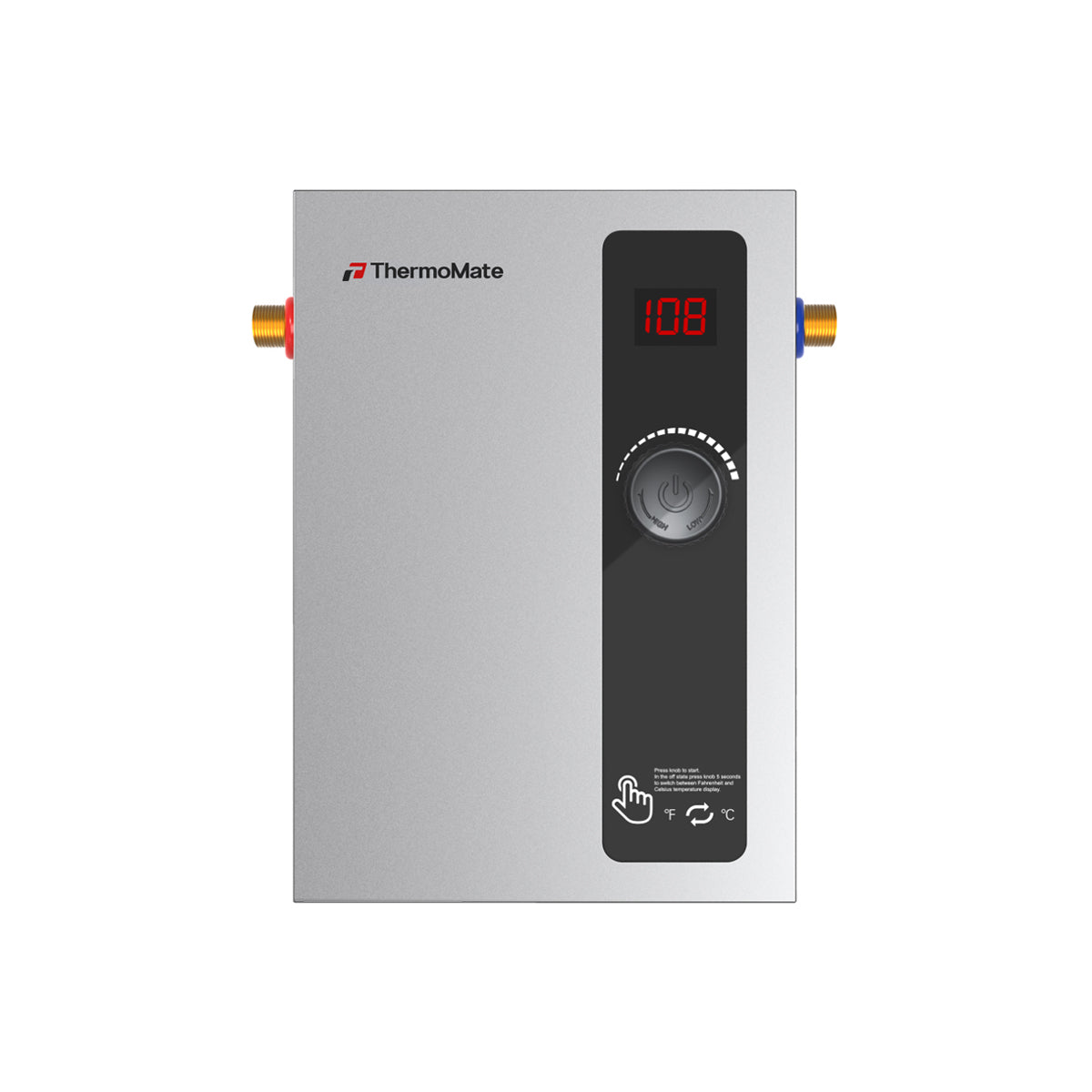
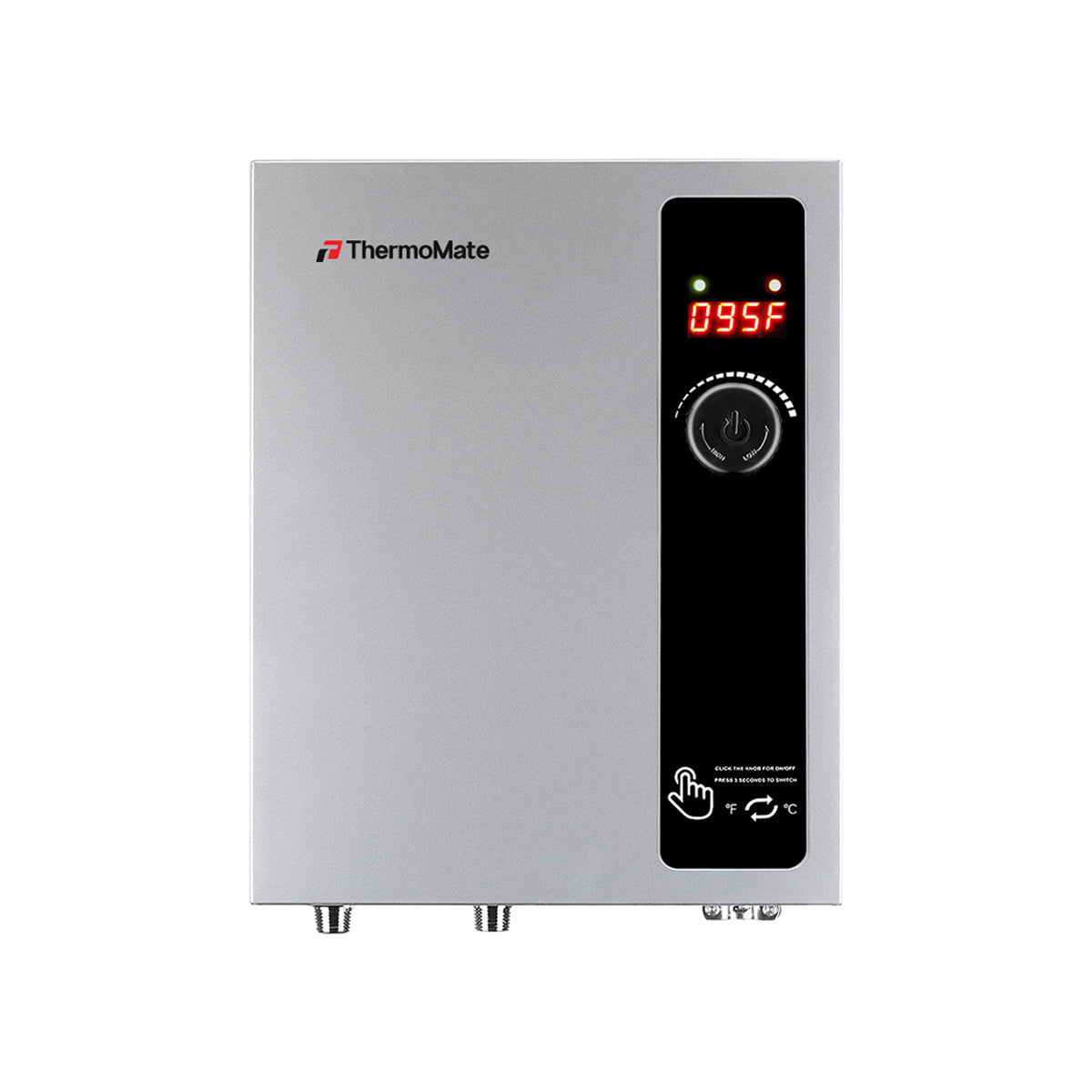
Modern electric tankless water heaters are available in a wide range of power levels, allowing homeowners to choose the right balance between performance and efficiency for their specific needs.
Installation Tips for a Smooth Spring Upgrade
To ensure a successful upgrade, keep these installation tips in mind:
- Hire a licensed electrician to handle wiring and ensure code compliance
- Check your electrical panel capacity before selecting a unit
- Choose the right installation location for easy access and efficiency
- Plan for future demand, especially if your household may grow
Proper installation not only ensures safety but also maximizes the performance and lifespan of your system.
Final Thoughts: Upgrade Now for Year-Round Comfort
A spring renovation is the perfect opportunity to upgrade more than just what’s visible. Replacing an outdated water heater with a modern electric tankless system can deliver long-term benefits—greater efficiency, endless hot water, and a more comfortable home.
By making the switch now, you’ll be ready for every season with a reliable and energy-efficient hot water solution.
If you're already investing in your home this spring, don’t overlook one of the most important upgrades of all—your water heater.