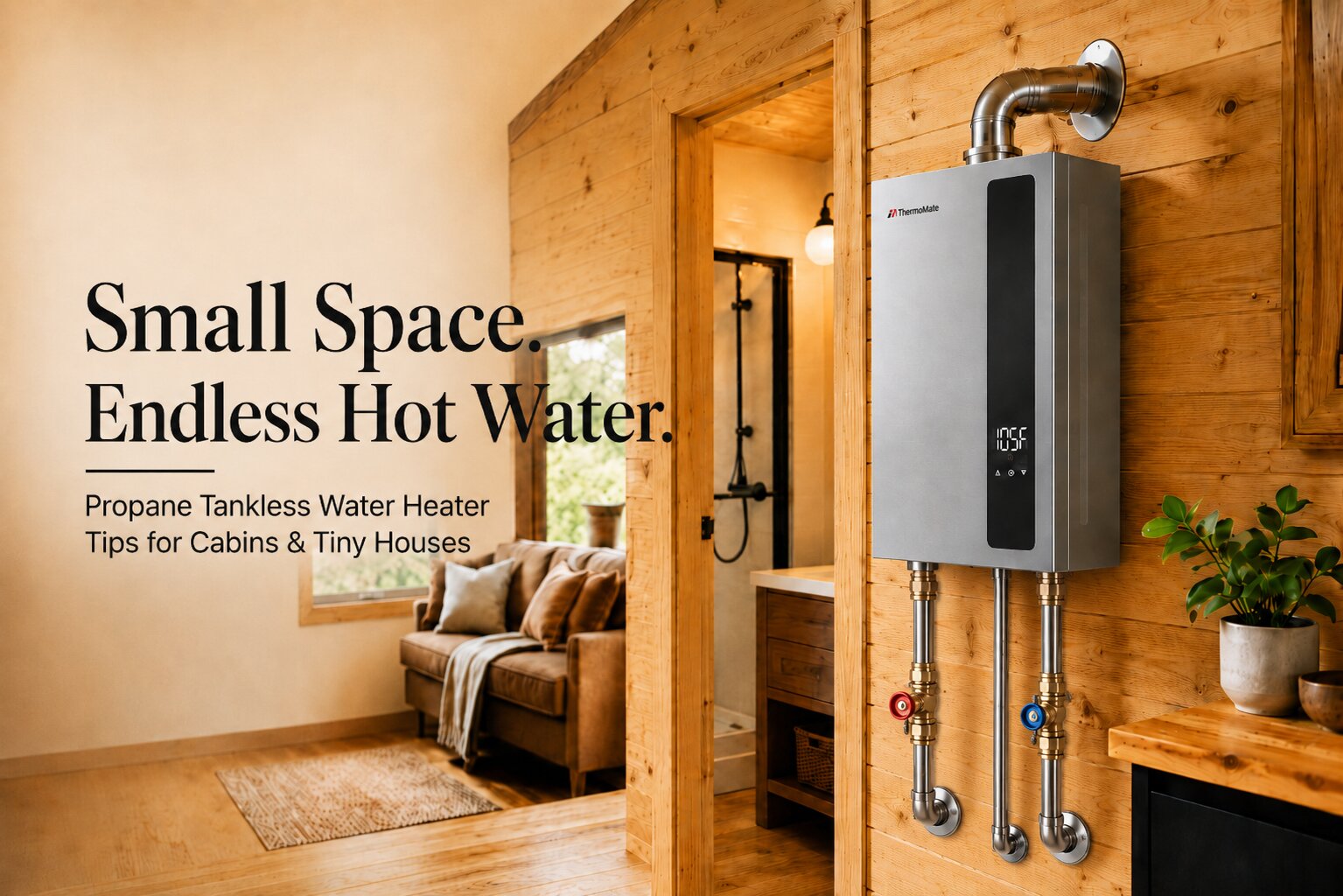
Choosing the best propane tankless water heater for cabin and tiny house use is not just about buying the biggest unit available. In a compact living space, the right water heater needs to balance hot water demand, propane supply, installation space, venting requirements, winter protection, and overall energy efficiency.
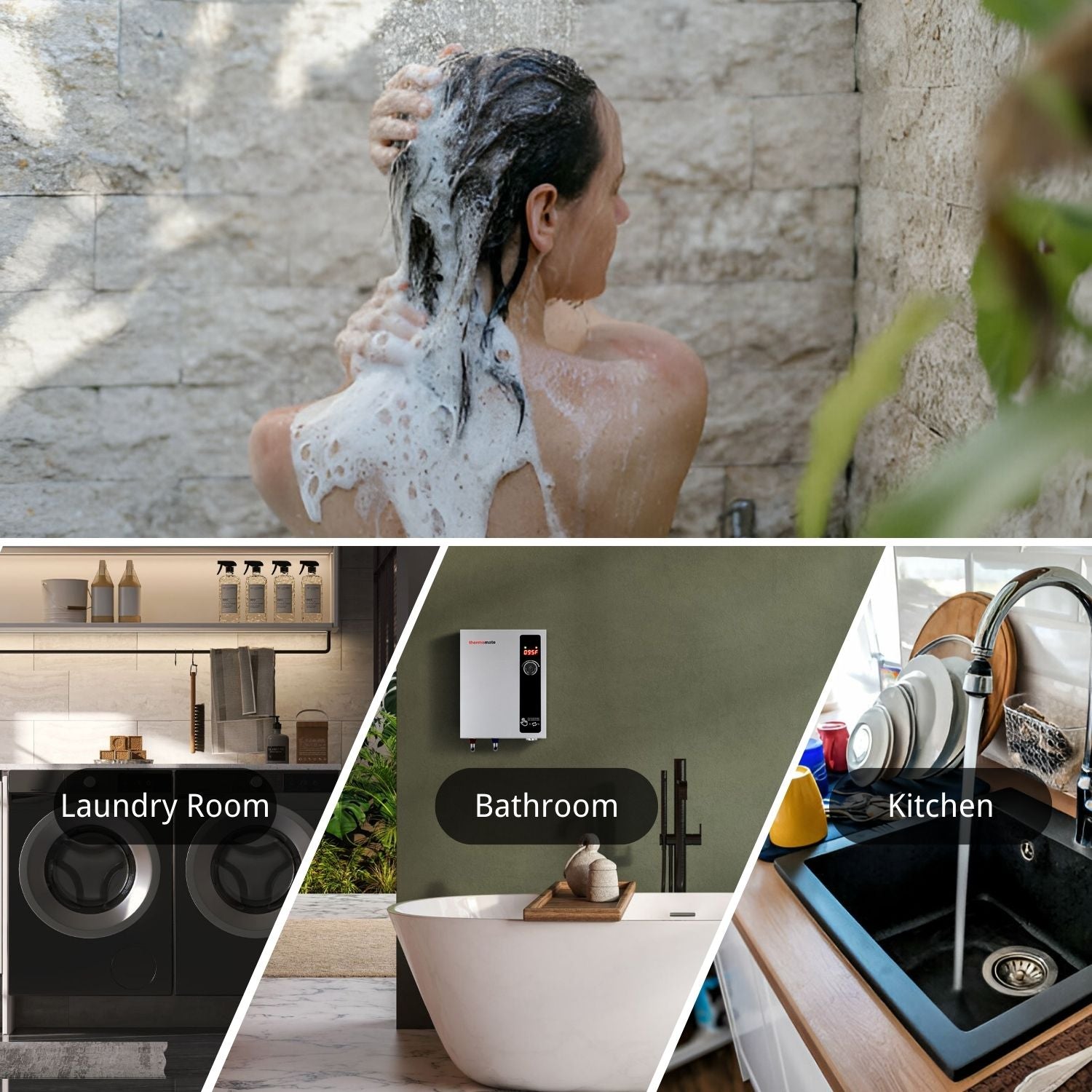
For cabins, tiny homes, vacation rentals, hunting lodges, off-grid properties, and small guest houses, propane tankless water heaters are often a smart solution because they provide hot water only when needed. Instead of keeping a large tank of water hot all day, a tankless propane water heater heats water on demand when a shower, sink, or faucet is turned on.
That makes propane especially useful in smaller homes where space is limited, electrical capacity may be restricted, and reliable hot water is still essential.
In this guide, we’ll explain how to choose the right propane tankless water heater for cabins and tiny houses, what size to consider, where to install it, and which ThermoMate options may fit different small-space hot water needs.

Why Propane Tankless Water Heaters Work Well for Cabins and Tiny Houses
Cabins and tiny houses usually have different needs than full-size family homes. The space is smaller, fixture count is lower, and hot water use may be seasonal or occasional. However, comfort still matters. Nobody wants a cold shower after hiking, fishing, skiing, or spending a weekend away from the city.
A propane tankless water heater offers several advantages for small-space living:
- It saves floor space because there is no bulky storage tank.
- It provides hot water on demand instead of heating stored water all day.
- It can support remote or off-grid properties where natural gas is unavailable.
- It is often more practical than a high-power electric tankless unit when electrical capacity is limited.
- It works well for cabins, tiny houses, workshops, small cottages, and guest spaces with modest hot water demand.
If you are comparing different water heater types, ThermoMate’s full tankless water heater collection is a helpful starting point for understanding available options.
The Best Propane Tankless Water Heater for Cabin Use Depends on Demand
For most cabins and tiny houses, the best choice is not always the largest model. A unit that is too small may struggle when multiple fixtures run at the same time. A unit that is too large may cost more than necessary and require more installation planning than the space actually needs.
Before choosing a propane tankless water heater, consider these questions:
- How many fixtures need hot water?
- Will the cabin have one bathroom or multiple bathrooms?
- Will the shower and kitchen sink run at the same time?
- Is the cabin used year-round or seasonally?
- How cold is the incoming groundwater in winter?
- Is the heater installed indoors, outdoors, or in a protected utility area?
- Is there enough propane supply and gas line capacity?
- Can the venting route meet the manufacturer’s requirements and local code?
For a simple one-bathroom cabin, a smaller propane tankless water heater may be enough. For a tiny house with a full shower, kitchen sink, and occasional simultaneous use, a mid-flow model may be a better fit. For a larger cabin with multiple bathrooms or heavier demand, you may need a higher-capacity unit.
Best Overall Choice for Tiny Houses: Compact Propane Tankless Water Heater
For many tiny homes, the ideal setup is a compact indoor propane tankless water heater that can serve one shower and one or two sinks, depending on incoming water temperature and flow rate.
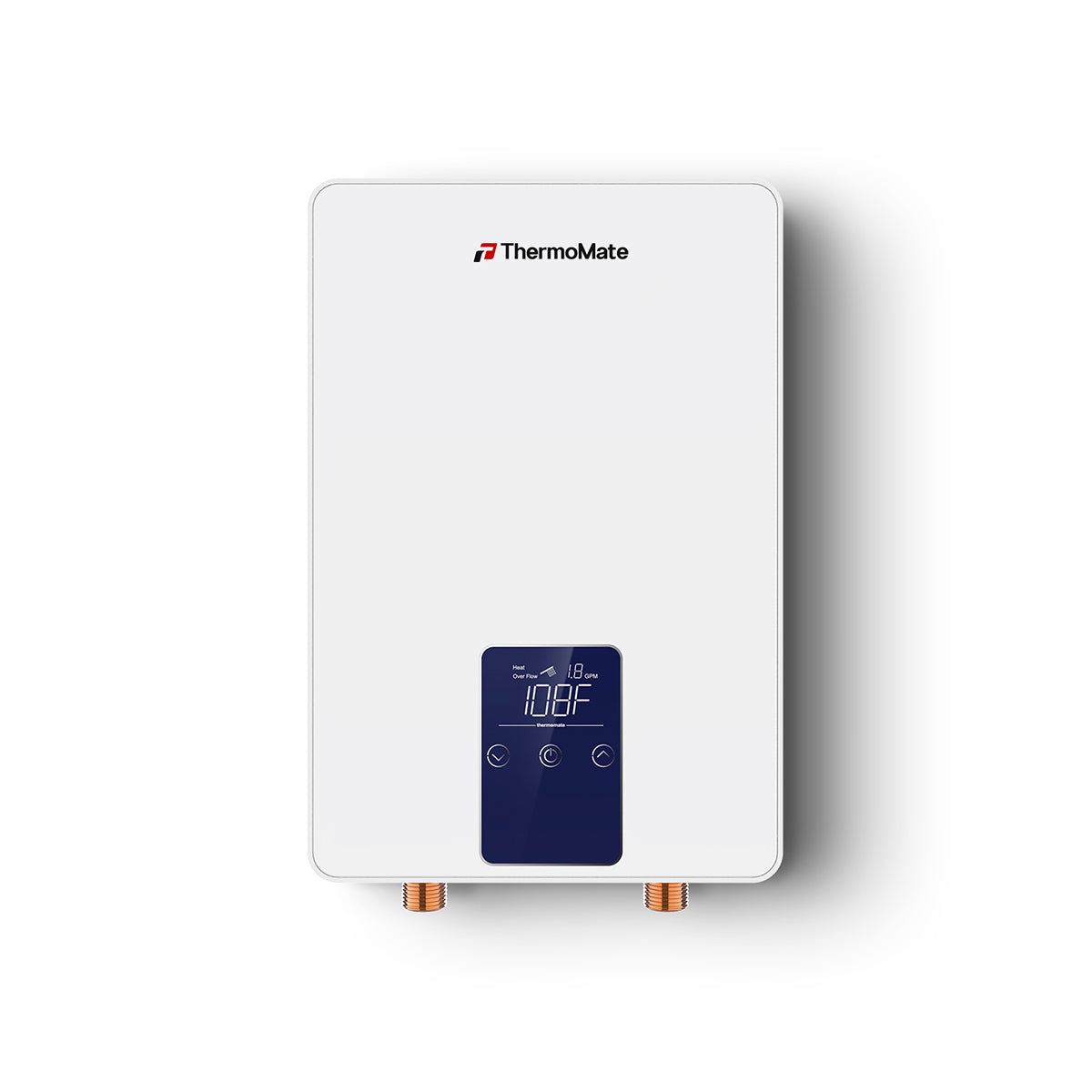
A model like the ThermoMate 2.9 GPM Residential Propane Gas Tankless Water Heater can be a practical option for smaller applications where the hot water demand is moderate and the installation is properly planned.
This type of unit is especially suitable for:
- Tiny houses with one bathroom
- Small cabins with a shower and sink
- Guest houses or accessory dwelling units
- Weekend cabins with light-to-moderate use
- Remote properties where propane is already available
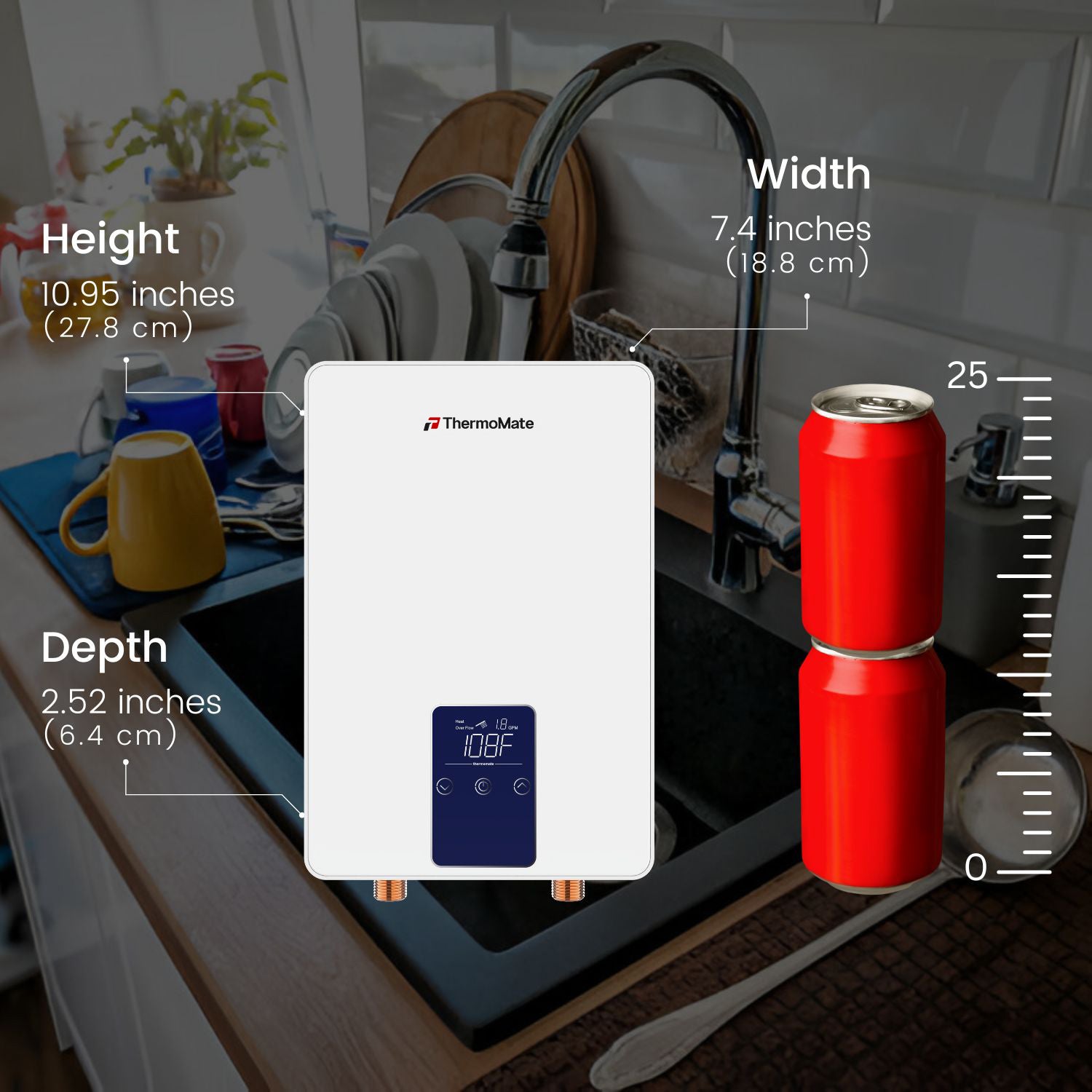
For tiny homes, compact size matters. A wall-mounted propane tankless water heater can help free up valuable floor space while still providing on-demand hot water for daily routines.
Best Choice for Larger Cabins: Mid-Flow Propane Tankless Water Heater
If your cabin has a larger bathroom, a kitchen sink, or a higher chance of simultaneous water use, stepping up to a mid-flow propane tankless water heater is often the better decision.
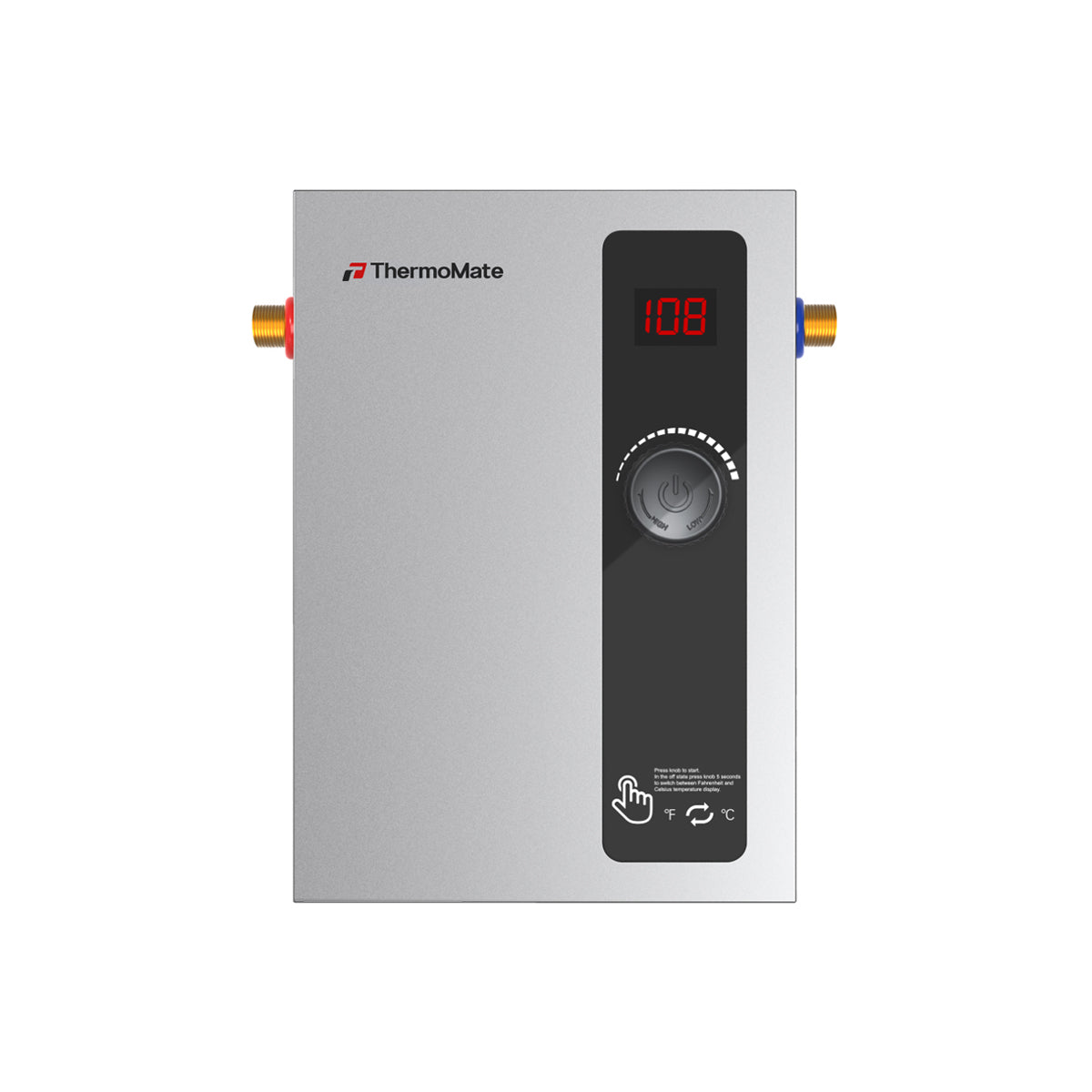
The ThermoMate 4.05 GPM Residential Propane Gas Tankless Water Heater is a strong fit for cabins that need more flexibility than a very small unit can provide.
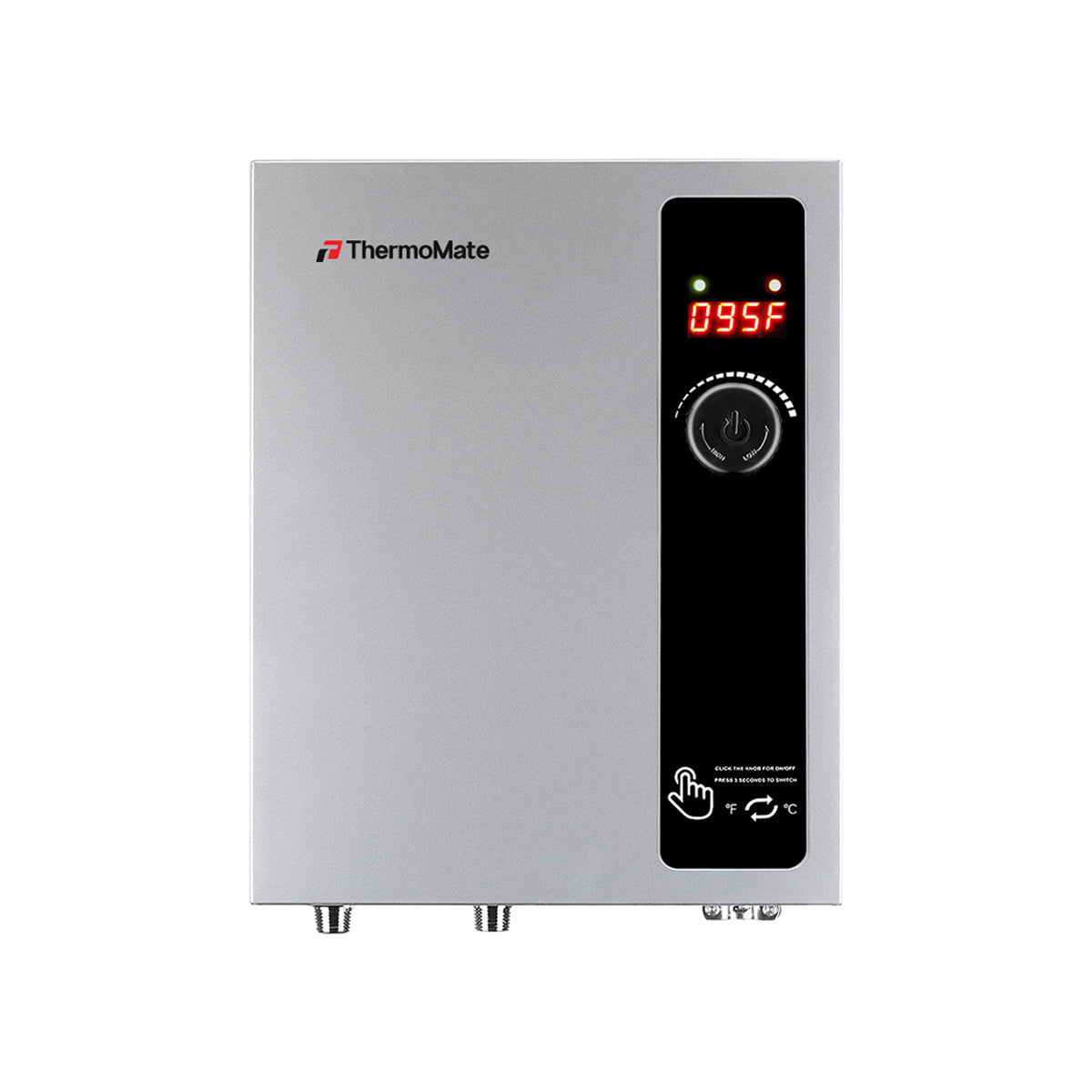
For even higher demand, the ThermoMate 4.4 GPM Residential Propane Gas Tankless Water Heater may be a better match, especially when users want more stable hot water performance for a shower and another low-flow fixture.
These models are better suited for:
- One- to two-bathroom cabins
- Small vacation homes
- Tiny homes with full-time occupancy
- Cabins with kitchen and bathroom hot water needs
- Small rental units where comfort matters
When in doubt, choose based on real usage, not just the maximum GPM number. Incoming water temperature, desired output temperature, shower flow rate, and fixture count all affect performance.

How to Size a Propane Tankless Water Heater for a Cabin
Sizing is one of the most important steps when choosing a propane tankless water heater for cabin use.
A simple way to start is to list the fixtures you expect to use at the same time. For example:
- One shower
- One bathroom sink
- One kitchen sink
- Occasional laundry or outdoor rinse use
Then estimate the combined flow rate. A low-flow shower may use less water than a standard showerhead, while some kitchen faucets may require more hot water than expected. If only one shower runs at a time, a compact or mid-sized unit may be sufficient. If the shower and kitchen sink often run together, choose a model with more capacity.
Temperature rise is also important. Temperature rise means the difference between incoming cold water and your desired hot water temperature. A cabin in a warm climate will usually require less heating power than a mountain cabin with very cold groundwater.
For more detailed sizing logic, you can also read ThermoMate’s guide on how to choose the right size gas water heater for your household.
Indoor vs Outdoor Installation for Cabins
Cabin owners often ask whether they should install a propane tankless water heater indoors or outdoors. The right answer depends on the model, climate, venting route, freeze risk, and local code requirements.
Indoor installation is common for cabins and tiny houses because the unit can be protected from weather and freezing conditions. However, indoor gas tankless water heaters require proper venting and combustion air planning. Venting must follow the manufacturer’s manual and local building code.
Outdoor installation may be possible with the right product type and protection, but it is more exposed to wind, rain, snow, freezing temperatures, and wildlife. For cold climates, outdoor installation needs extra caution.
If you are comparing installation locations, read ThermoMate’s guide on outdoor vs indoor tankless water heaters before making a final decision.
Venting Matters in Small Spaces
Venting is one of the most important parts of installing a propane tankless water heater in a cabin or tiny house. Because propane is a fuel-burning system, exhaust gases must be safely vented outdoors according to the product manual and local code.
Do not treat venting as an optional accessory. The vent path, vent material, clearances, slope, termination location, and air supply all matter.
For compatible installations, ThermoMate offers accessories such as the 3-inch horizontal stainless steel vent pipe kit. Always confirm compatibility with your specific model before purchasing venting parts.
A professional installer should verify:
- The correct vent type and diameter
- Proper vent termination location
- Clearance from windows, doors, vents, and overhangs
- Adequate combustion air
- Gas line sizing
- Leak testing
- Local code compliance
For cabins and tiny homes, vent planning should happen before you choose the final heater location.
Propane Supply and Gas Line Planning
A propane tankless water heater needs a reliable fuel supply. In small cabins, users sometimes assume that any propane tank will work, but the reality depends on BTU demand, gas line length, regulator capacity, altitude, and other appliances using propane.
Before installation, confirm whether the propane system can support the water heater along with other propane appliances such as a stove, furnace, fireplace, or outdoor heater.
A qualified installer can help check:
- Propane tank size
- Regulator capacity
- Gas line diameter
- Distance from tank to appliance
- Total BTU load
- Local propane installation rules
A properly sized propane supply helps the water heater ignite reliably and maintain consistent hot water.

Winter Use and Freeze Protection
Cabins are often located in colder areas, which makes freeze protection especially important. If water remains inside the heater or pipes during freezing weather, damage may occur.
For seasonal cabins, plan ahead before leaving the property unused during winter. Depending on your setup, you may need to drain the water heater, insulate pipes, protect the installation area, or use a system designed for cold conditions.
Helpful winter protection steps may include:
- Installing the unit in a protected indoor utility space
- Insulating exposed water lines
- Draining the system before long shutdowns
- Keeping the cabin above freezing when possible
- Following the owner’s manual for winterization
If your cabin is in a cold climate, always include freeze protection in your installation plan, not as an afterthought.
Maintenance for Long-Term Cabin Use
A propane tankless water heater needs routine maintenance to keep working efficiently. This is especially true in cabins with hard water, well water, mineral-heavy water, or long periods of inactivity.
Maintenance may include:
- Flushing or descaling the system
- Cleaning inlet filters
- Checking venting
- Inspecting for leaks
- Testing water temperature
- Reviewing error codes if they appear
- Scheduling professional inspection when needed
If you notice reduced hot water flow, unstable temperature, noise, or slower heating, it may be time to descale the unit. ThermoMate’s guide on signs it’s time to descale your tankless water heater is a useful resource for maintenance planning.
You can also visit the ThermoMate manuals page to check product-specific installation and maintenance instructions.
Propane vs Electric for Cabins and Tiny Houses
Both propane and electric tankless water heaters can work for small homes, but the best choice depends on your utility setup.
A propane tankless water heater is often a better fit when:
- Natural gas is not available
- Electrical panel capacity is limited
- The cabin already uses propane
- You need stronger hot water output than a small electric unit can provide
- The property is remote or semi-off-grid
An electric tankless water heater may be a better fit when:
- The home has sufficient electrical capacity
- Gas venting is not practical
- The hot water demand is low
- The installation is for a single sink or point-of-use application
For properties focused on electric systems, ThermoMate also offers electric tankless water heaters and electric point-of-use water heaters for compact applications.
Safety Tips for Propane Tankless Water Heaters
Safety should always come first when installing a propane tankless water heater in a cabin or tiny house.
Key safety reminders include:
- Use the correct propane model, not a natural gas model.
- Do not attempt to convert fuel type unless the manufacturer specifically allows it.
- Follow the installation manual exactly.
- Use approved venting materials.
- Maintain required clearances.
- Check for gas leaks after installation.
- Install carbon monoxide alarms in appropriate locations.
- Hire a licensed professional when required by local code.
- Keep the area around the water heater clear and accessible.
For more safety guidance, read ThermoMate’s gas water heater safety tips.
Recommended ThermoMate Options for Cabin and Tiny House Use
Here is a simple way to think about your options:
For a small tiny house or basic cabin with one shower and one sink, consider the 2.9 GPM propane tankless water heater.
For a cabin with a shower, kitchen sink, and more flexible daily use, consider the 4.05 GPM propane tankless water heater.
For a larger small home, vacation rental, or cabin where users may want a stronger hot water experience, consider the 4.4 GPM propane tankless water heater.
If you are still comparing models, browse ThermoMate’s water heater collection to compare tankless, mini-tank, electric, and gas options.
Final Thoughts: What Is the Best Propane Tankless Water Heater for a Cabin?
The best propane tankless water heater for cabin and tiny house use is the one that matches your real hot water demand, climate, venting plan, propane supply, and installation location.
For smaller cabins and tiny homes, a compact propane tankless water heater can provide reliable hot water without taking up valuable space. For larger cabins or vacation homes, a higher-flow propane model may offer better comfort when multiple fixtures are used.
Before buying, confirm your fixture count, expected flow rate, incoming water temperature, propane setup, and venting route. For permanent installations, work with a qualified professional and always follow the product manual and local code.
Ready to compare options? Explore ThermoMate’s tankless water heaters and find a propane model that fits your cabin, tiny house, or small-space hot water needs.
FAQ: Propane Tankless Water Heaters for Cabins and Tiny Houses
Is a propane tankless water heater good for a cabin?
Yes. A propane tankless water heater can be a great choice for a cabin because it provides hot water on demand, saves space, and works well in areas where natural gas is unavailable. It is especially useful for remote cabins, vacation homes, and small off-grid properties with propane supply.
What size propane tankless water heater do I need for a tiny house?
For many tiny houses, a compact or mid-flow propane tankless water heater may be enough, depending on shower flow rate, sink use, and groundwater temperature. If you only use one fixture at a time, a smaller model may work. If you want to run a shower and sink at the same time, consider a higher-flow model.
Can I install a propane tankless water heater indoors in a cabin?
Yes, but only if the unit is designed for indoor installation and the venting, combustion air, clearances, and gas supply meet the manufacturer’s instructions and local code. Indoor propane tankless water heaters should be installed by a qualified professional when required.
Is propane better than electric for an off-grid cabin?
Propane is often a practical choice for off-grid or remote cabins because it does not require the same electrical capacity as many whole-home electric tankless systems. However, the best choice depends on your power setup, propane availability, fixture demand, and installation requirements.
Do propane tankless water heaters need maintenance?
Yes. Routine maintenance helps protect performance and extend service life. Maintenance may include descaling, cleaning filters, checking vents, inspecting gas connections, and reviewing the manual for model-specific service steps.
Can a propane tankless water heater freeze?
Yes. If water remains inside the unit or pipes during freezing temperatures, damage can occur. Cabins in cold climates need proper winterization, insulation, drainage planning, and installation protection.