What Size Tankless Water Heater Do I Need? GPM Guide for Every Home
Choosing the right tankless water heater is not just about picking the biggest model available. The right size depends on how many hot water fixtures you use at the same time, how much water each fixture requires, and how cold your incoming groundwater is.
This tankless water heater sizing guide will help you understand GPM, temperature rise, electric vs. gas sizing, and how to estimate the right unit for a small apartment, family home, cabin, RV, or whole-house hot water setup.
What Does GPM Mean for a Tankless Water Heater?

GPM stands for gallons per minute. It tells you how much hot water a tankless water heater can deliver at one time.
Unlike a traditional tank water heater, a tankless system does not store hot water. Instead, it heats water as it flows through the unit. That means sizing is based on flow rate, not tank capacity.
For homeowners, one simple question matters most:
How many hot water fixtures do you want to run at the same time?
Common Hot Water Fixture GPM Chart
Use the table below as a general estimate. Actual flow rates may vary depending on your fixture, plumbing setup, water pressure, and appliance model.
| Fixture or Appliance | Typical Hot Water Demand |
|---|---|
| Bathroom sink | 0.5–1.5 GPM |
| Kitchen sink | 1.0–2.0 GPM |
| Shower | 1.5–2.5 GPM |
| Bathtub faucet | 3.0–5.0 GPM |
| Dishwasher | 1.0–2.0 GPM |
| Washing machine | 1.5–3.0 GPM |
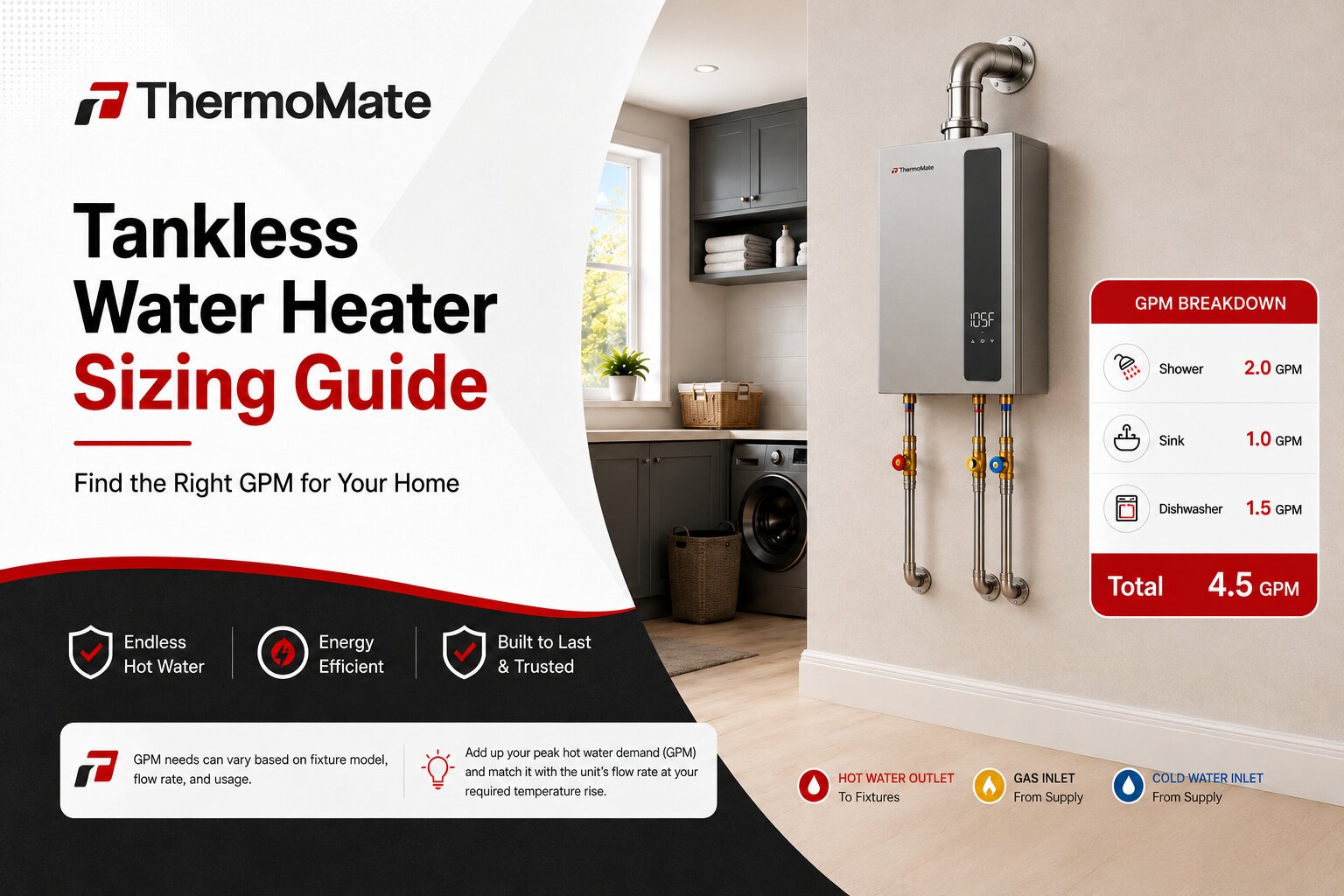
For example, if your household may run one shower, one bathroom sink, and one dishwasher at the same time, your estimated demand may look like this:
- Shower: 2.0 GPM
- Bathroom sink: 1.0 GPM
- Dishwasher: 1.5 GPM
Estimated peak demand: 4.5 GPM
In this case, you would look for a tankless water heater that can support around 4.5 GPM at your required temperature rise.
Step 1: Add Up Your Peak Hot Water Demand
The first step in sizing a tankless water heater is to calculate your peak hot water usage.
You do not need to add every fixture in your home. Instead, add the fixtures you are likely to use at the same time.
Example 1: Small Apartment or Condo
| Simultaneous Use | Estimated GPM |
|---|---|
| 1 shower | 2.0 GPM |
| 1 bathroom sink | 1.0 GPM |
| Total | 3.0 GPM |
A small apartment with one bathroom may need around 3.0–4.0 GPM, depending on climate and water temperature.
Example 2: Two-Bathroom Home
| Simultaneous Use | Estimated GPM |
|---|---|
| 2 showers | 4.0–5.0 GPM |
| 1 kitchen sink | 1.5 GPM |
| Total | 5.5–6.5 GPM |
A two-bathroom home may need around 6.0–7.5 GPM for comfortable hot water performance.
Example 3: Larger Family Home
| Simultaneous Use | Estimated GPM |
|---|---|
| 2 showers | 4.0–5.0 GPM |
| 1 washing machine | 2.0 GPM |
| 1 kitchen sink | 1.5 GPM |
| Total | 7.5–8.5 GPM |
A larger household may need 8.0 GPM or more, especially if multiple bathrooms, laundry, and kitchen use overlap.
Step 2: Understand Temperature Rise

GPM alone is not enough. You also need to consider temperature rise.
Temperature rise means the difference between your incoming cold water temperature and your desired hot water temperature.
Formula:
Desired hot water temperature − incoming groundwater temperature = required temperature rise
Most homes set hot water around 120°F. If your incoming water is 50°F, your tankless water heater needs a 70°F temperature rise.
This is why the same tankless water heater may deliver more GPM in Florida than in Minnesota. Warmer incoming water requires less heating, while colder incoming water requires more heating power.
Step 3: Consider Your Region in North America
Groundwater temperature varies across the United States and Canada. Colder incoming water requires a larger temperature rise, which can reduce the effective GPM output of a tankless water heater.
Warmer Regions
Examples include Florida, Texas, Arizona, Southern California, and parts of the Southeast.
Homes in warmer regions usually have higher incoming water temperatures. That means the tankless water heater does not need to work as hard to reach 120°F. A smaller unit may be suitable for the same number of fixtures compared with a colder climate.
Moderate Regions
Examples include Tennessee, North Carolina, Virginia, Northern California, and Pacific Northwest coastal areas.
Moderate climates typically need a balanced approach. Many homes in these regions choose sizing based on common simultaneous usage, such as one or two showers plus a sink.
Colder Regions
Examples include the Midwest, Northeast, Mountain states, and Canada.
Homes in colder climates often need a higher-capacity tankless water heater. If groundwater enters the home at 40°F or below, the heater must work harder to reach a comfortable hot water temperature.
For whole-home use in colder climates, it is especially important to check the product’s GPM rating at your required temperature rise.
Step 4: Choose Between Electric and Gas Tankless Water Heaters

Both electric and gas tankless water heaters can be excellent choices, but they are sized differently.
Electric Tankless Water Heater Sizing
Electric tankless water heaters are often a great fit for:
- Point-of-use installation
- Apartments and condos
- Small homes
- Bathrooms
- Kitchens
- Handwashing sinks
- Supplemental hot water
- Locations without gas service
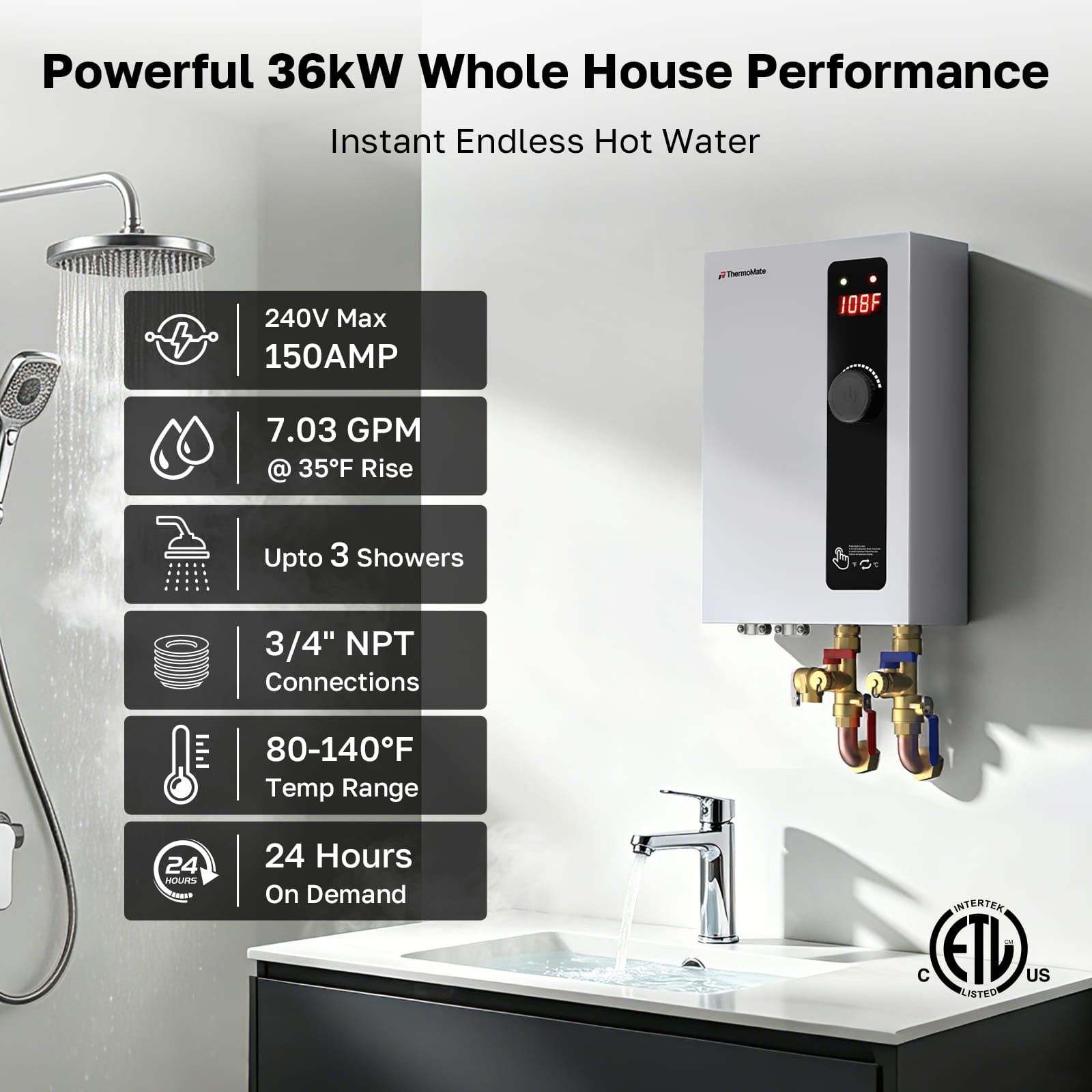
Electric models are compact and can be installed closer to the point of use, which helps reduce hot water wait time. However, whole-home electric tankless water heaters may require significant electrical capacity, so electrical panel requirements should always be checked before purchase.
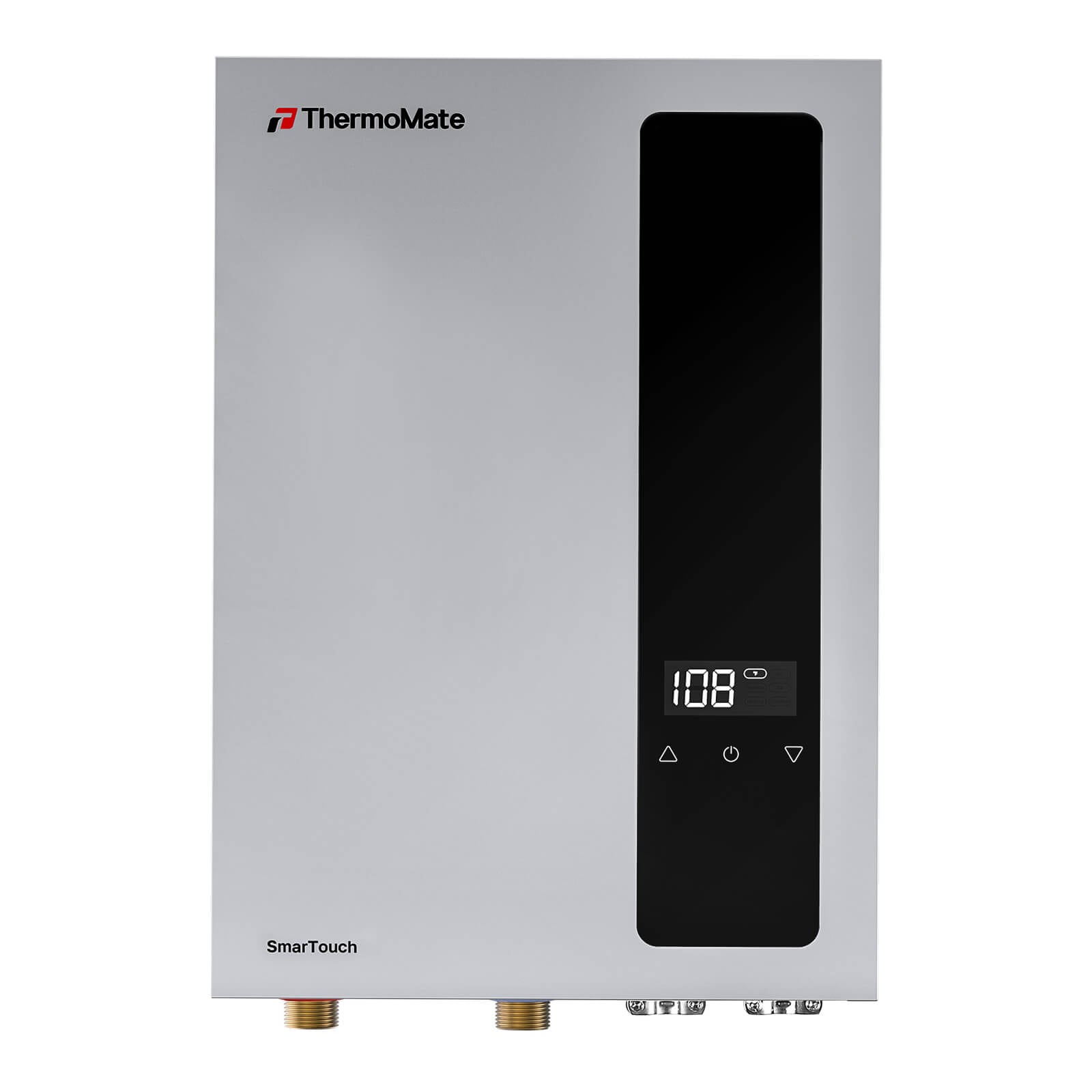
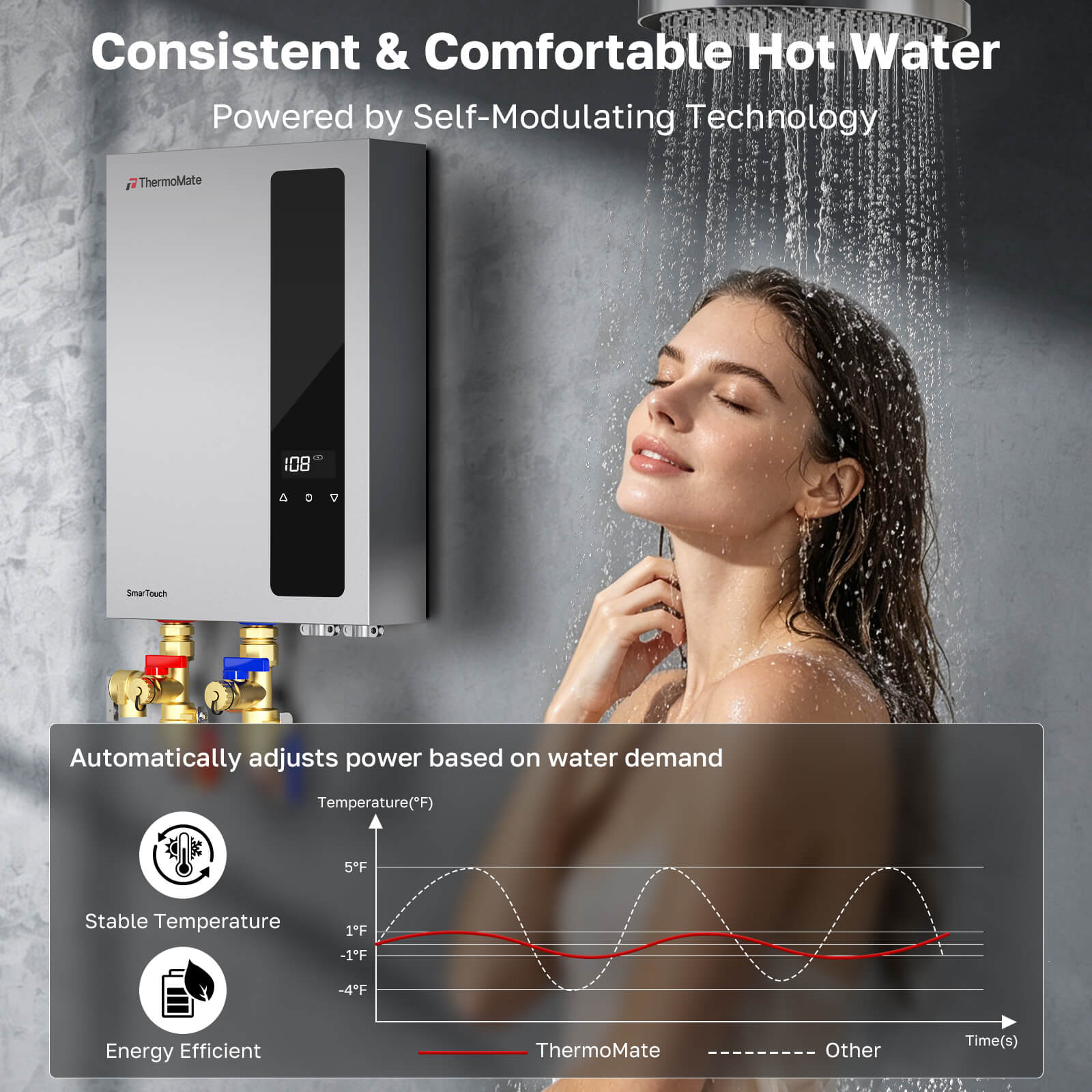
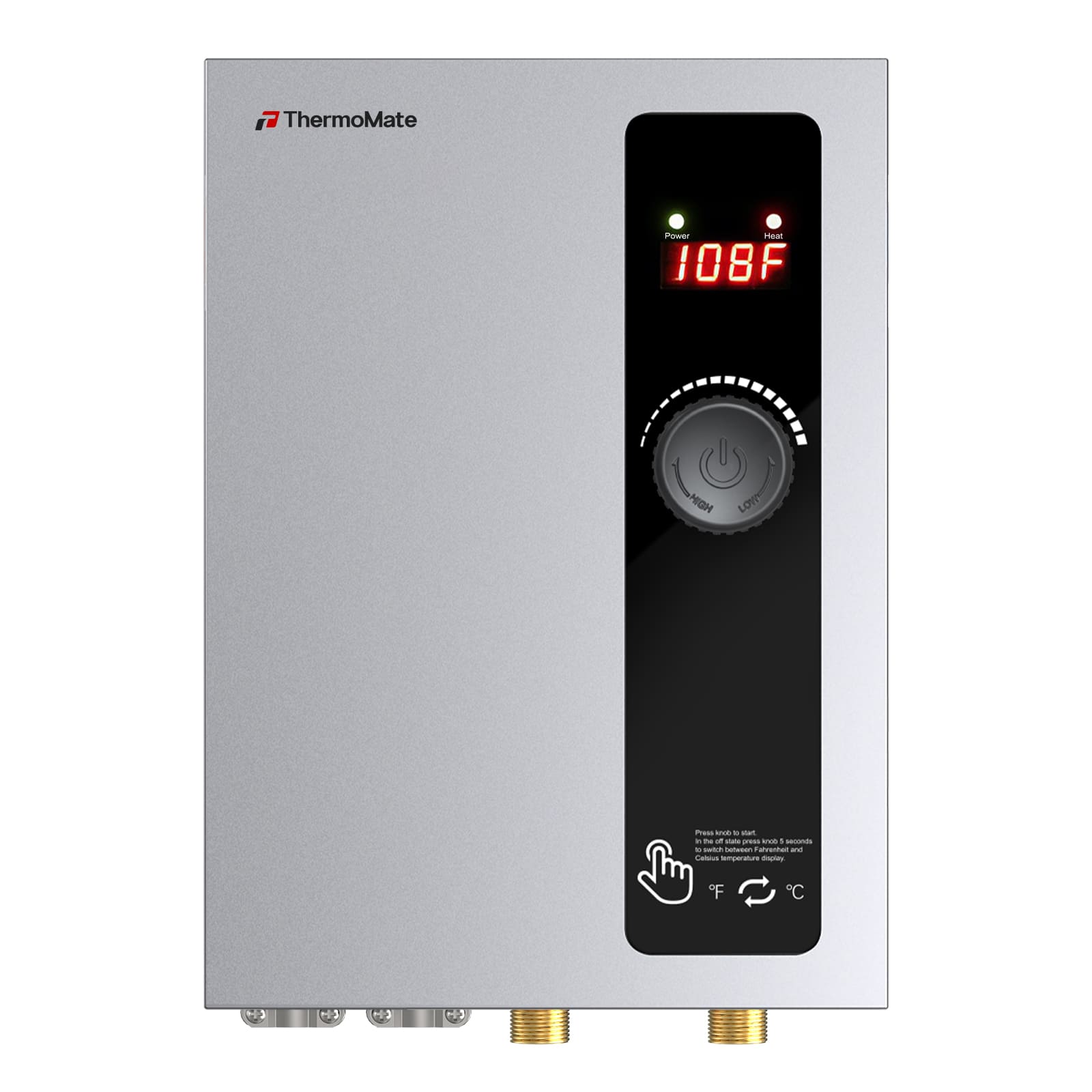
If your home is best suited for compact, energy-efficient electric hot water, explore ThermoMate’s electric tankless water heaters for point-of-use and whole-home options.
Gas Tankless Water Heater Sizing
Gas tankless water heaters are often a strong choice for:
- Whole-home hot water
- Larger households
- Two or more bathrooms
- Higher GPM needs
- Homes with existing natural gas or propane service
- Colder climates
Gas tankless water heaters generally deliver stronger flow performance than many electric models, which makes them popular for whole-home applications.
For larger homes or higher-demand hot water use, browse ThermoMate’s gas tankless water heaters designed for continuous on-demand hot water.
Tankless Water Heater Size Chart by Home Type

Use this chart as a general starting point. Always verify the product’s performance chart and installation requirements before purchase.
| Home Type | Typical Use Case | Suggested GPM Range |
|---|---|---|
| Studio / small apartment | 1 shower or 1 sink at a time | 2.0–3.5 GPM |
| 1-bathroom home | 1 shower + 1 sink | 3.0–5.0 GPM |
| 2-bathroom home | 2 showers or shower + kitchen | 5.0–7.5 GPM |
| 3-bathroom home | Multiple showers + appliance use | 7.5–9.5 GPM |
| Large family home | High simultaneous demand | 9.0+ GPM |
| Cabin / RV / off-grid | Low to moderate fixture use | Depends on fixture count and fuel source |
| Point-of-use sink | Single sink or remote fixture | 0.5–2.0 GPM |
What Size Tankless Water Heater Do I Need for a Shower?
Most modern showers use around 1.5–2.5 GPM. If you only need hot water for one shower, a smaller tankless water heater may be enough.
However, if someone may use a sink, dishwasher, or second shower at the same time, you need to add those GPM demands together.
One Shower Only
Estimated demand: 1.5–2.5 GPM
One Shower + One Sink
Estimated demand: 2.5–4.0 GPM
Two Showers at the Same Time
Estimated demand: 4.0–5.0 GPM
For a home where two showers may run together, a whole-home tankless water heater is usually a better fit than a small point-of-use unit.
What Size Tankless Water Heater Do I Need for a Whole House?
For whole-house sizing, focus on your busiest hot water moment.
Ask yourself:
- How many bathrooms does the home have?
- How many people live in the home?
- Do showers often run at the same time?
- Do you use laundry or dishwasher while showering?
- Is your home in a cold climate?
- Do you prefer natural gas, propane, or electric?
A whole-house tankless water heater often needs to support 5–10+ GPM, depending on household size, climate, and simultaneous use.
That is why the best whole-home tankless water heater is not simply the highest advertised GPM. It should match your home’s actual peak demand and temperature rise.
If you are upgrading from a storage tank to an on-demand system, compare ThermoMate’s whole-home tankless water heaters to find a model that fits your household’s peak hot water demand.
Point-of-Use vs Whole-House Tankless Water Heater
Not every home needs one large tankless water heater. In some cases, a point-of-use model may be the smarter solution.
Point-of-Use Tankless Water Heater
A point-of-use tankless water heater is installed close to the fixture it serves, such as a bathroom sink, kitchen sink, garage sink, or remote bathroom.
Best for:
- Reducing hot water wait time
- Small spaces
- Guest bathrooms
- Kitchen sinks
- Offices
- Workshops
- Supplemental hot water
Whole-House Tankless Water Heater
A whole-house tankless water heater supplies hot water to multiple fixtures throughout the home.
Best for:
- Families
- Multiple bathrooms
- Replacing a traditional tank water heater
- Higher GPM needs
- Continuous hot water for daily routines
For a remote sink or small bathroom, a ThermoMate point-of-use water heater may be a practical way to get hot water faster without oversizing your whole-home system.
Quick Sizing Examples
Example A: Small Apartment
- Household: 1–2 people
- Use: One shower or one sink at a time
- Estimated demand: 2.0–4.0 GPM
- Best fit: Compact electric tankless or small gas tankless, depending on installation setup
Example B: Two-Bathroom Family Home
- Household: 3–4 people
- Use: Two showers may run at once
- Estimated demand: 5.0–7.5 GPM
- Best fit: Whole-home gas tankless water heater or higher-capacity electric model if electrical service supports it
Example C: Large Home in a Cold Climate
- Household: 4+ people
- Use: Multiple showers, laundry, and kitchen use
- Estimated demand: 8.0–10.0+ GPM
- Best fit: High-capacity gas tankless water heater, possibly with professional sizing support
Example D: Cabin, RV, or Off-Grid Use
- Household: Seasonal or limited use
- Use: Shower, sink, or outdoor washing
- Estimated demand: Depends on fixture count
- Best fit: Propane or application-specific tankless water heater, depending on ventilation and installation conditions
Common Tankless Water Heater Sizing Mistakes
Mistake 1: Only Looking at Maximum GPM
A model may advertise a high maximum GPM, but that number often depends on warmer incoming water and lower temperature rise. Always check the GPM rating at your expected temperature rise.
Mistake 2: Forgetting About Simultaneous Use
A tankless water heater should be sized for your peak demand, not just average daily use. If two people shower at the same time every morning, size for that moment.
Mistake 3: Ignoring Climate
A unit that works well in a warm Southern state may deliver lower GPM in a cold Northern climate because the incoming water is colder.
Mistake 4: Choosing Electric Without Checking Electrical Capacity
Electric tankless water heaters can be efficient and compact, but larger models may need dedicated circuits or electrical upgrades. Always confirm installation requirements.
Mistake 5: Oversizing Without a Reason
A larger model may cost more and may not always be necessary. The goal is to choose a unit that comfortably meets your real hot water demand.
How to Calculate Tankless Water Heater Size
Use this simple process:
- List the fixtures you may use at the same time.
- Write down the estimated GPM for each fixture.
- Add the GPM numbers together.
- Estimate your required temperature rise.
- Compare your result with the product’s GPM performance chart.
- Confirm fuel type, installation requirements, venting, voltage, and local code requirements.
Simple Formula
Total simultaneous GPM + required temperature rise = tankless water heater sizing target
Example:
- Shower: 2.0 GPM
- Kitchen sink: 1.5 GPM
- Dishwasher: 1.5 GPM
Total demand: 5.0 GPM
If your incoming water is 50°F and your target hot water temperature is 120°F, your required temperature rise is 70°F.
You should choose a tankless water heater that can deliver around 5.0 GPM at a 70°F rise.
Final Recommendation: Choose Based on Real Hot Water Habits
The best tankless water heater size depends on your home, climate, fuel source, and daily routine.
For small spaces, apartments, sinks, and supplemental hot water, an electric or point-of-use model may be the right fit. For larger homes, multiple bathrooms, and higher simultaneous hot water demand, a gas tankless water heater may provide stronger whole-home performance.
ThermoMate offers practical, space-saving water heating solutions designed for everyday comfort, energy efficiency, and on-demand hot water. Whether you need a compact point-of-use unit or a whole-home tankless water heater, choosing the right GPM helps you enjoy reliable hot water without overspending on unnecessary capacity.
Explore ThermoMate tankless water heaters and find the right size for your home today.
Frequently Asked Questions
What size tankless water heater do I need for a family of four?
A family of four often needs around 6.0–9.0 GPM, depending on how often showers, laundry, and kitchen fixtures run at the same time. Colder climates may require a larger unit.
Is 5 GPM enough for a tankless water heater?
A 5 GPM tankless water heater may be enough for a small to medium home with moderate simultaneous use, such as one shower plus one sink. It may not be enough for multiple showers and appliances running together.
Is 7 GPM enough for a whole house?
For many two-bathroom homes, 7 GPM can be a good starting point. However, homes in cold climates or households with high simultaneous demand may need more capacity.
How many GPM do I need for two showers?
Two showers usually require around 4.0–5.0 GPM, depending on showerhead flow rate. Add more GPM if a sink, dishwasher, or washing machine may run at the same time.
Do gas tankless water heaters provide more GPM than electric models?
In general, gas tankless water heaters usually provide stronger flow performance than many electric models, making them a common choice for whole-home applications.
Does climate affect tankless water heater size?
Yes. Colder incoming water requires a higher temperature rise, which can reduce the hot water flow rate a tankless water heater can deliver.